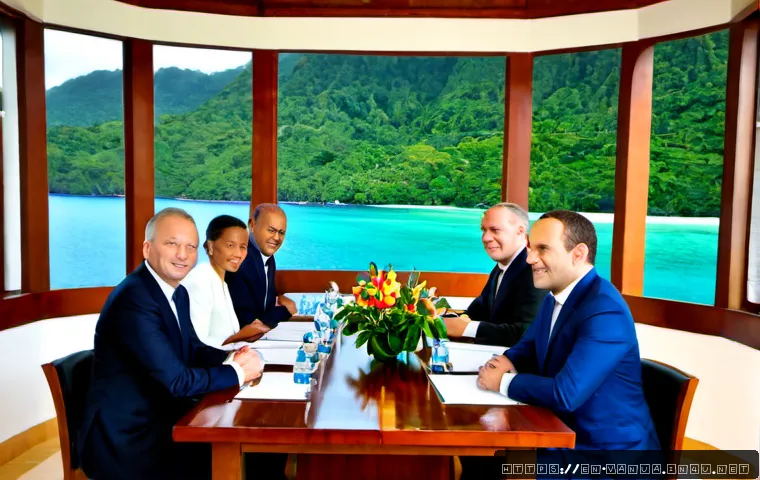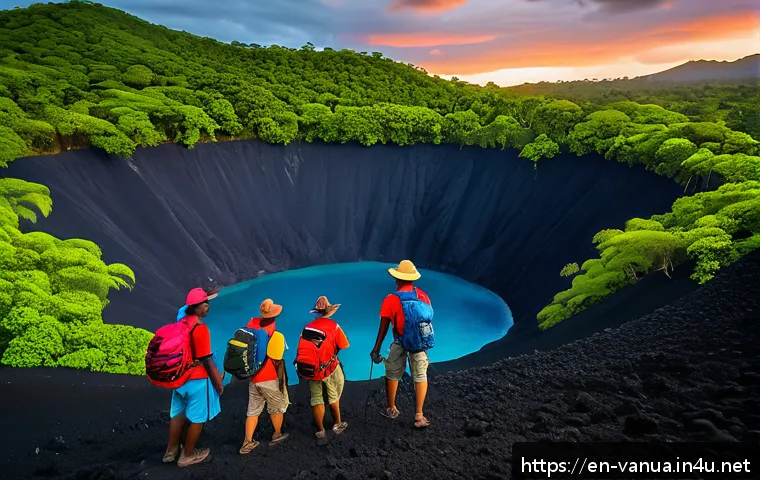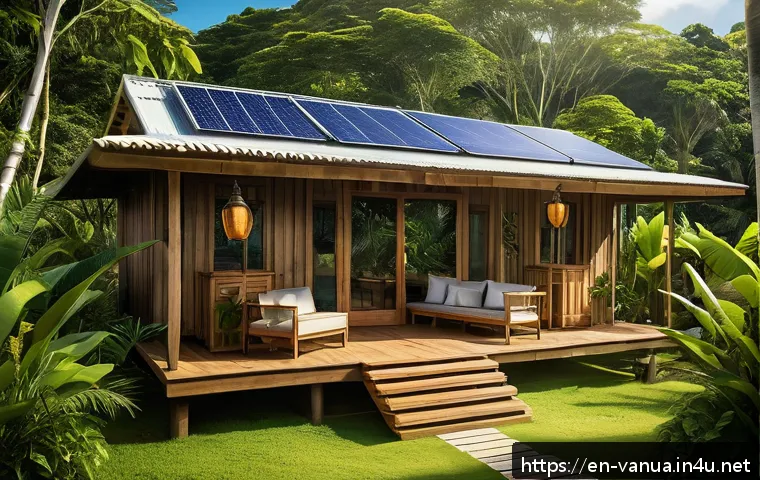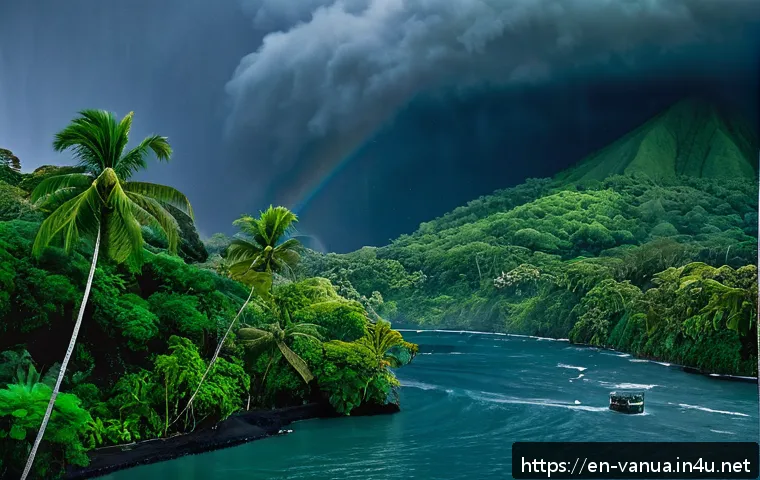
The South Pacific, with its dazzling turquoise waters and swaying palms, beckons travelers seeking paradise. But if you’re anything like me, you’ve probably scrolled through countless dreamy photos, wondering, “Okay, but which one is *really* for me?” I’ve always been drawn to places that offer a bit more than just a pretty beach, somewhere I can truly connect with the culture and feel like I’m experiencing something authentic.
That’s why the age-old debate between Vanuatu and French Polynesia always catches my eye – they both promise idyllic escapes, yet in my experience, they deliver two distinctly different adventures.
French Polynesia, with its iconic Bora Bora and Tahiti, often conjures images of luxurious overwater bungalows, romantic sunsets, and refined French elegance.
It’s the dream honeymoon destination, a place where you can indulge in sophisticated dining and world-class diving amidst breathtaking lagoons. On the flip side, Vanuatu, a true gem of Melanesia, offers something incredibly raw and profoundly real.
Think active volcanoes you can actually get close to, ancient ‘kastom’ villages, and a focus on sustainable, community-led tourism that feels wonderfully uncommercialized.
It’s a place where I’ve personally felt a deeper connection to the local way of life, something that resonates deeply with the growing trend of experiential and responsible travel we’re all looking for these days.
So, whether you’re envisioning a high-end, pampering escape or an adrenaline-fueled, culturally rich expedition, understanding the nuances between these two South Pacific paradises is key.
Trust me, choosing the right island getaway is about more than just pretty pictures – it’s about finding the perfect fit for your adventurous spirit and how you want to experience this incredible part of the world.
Let’s delve into the exciting differences and discover which one calls to you!The South Pacific, with its dazzling turquoise waters and swaying palms, beckons travelers seeking paradise.
But if you’re anything like me, you’ve probably scrolled through countless dreamy photos, wondering, “Okay, but which one is *really* for me?” I’ve always been drawn to places that offer a bit more than just a pretty beach, somewhere I can truly connect with the culture and feel like I’m experiencing something authentic.
That’s why the age-old debate between Vanuatu and French Polynesia always catches my eye – they both promise idyllic escapes, yet in my experience, they deliver two distinctly different adventures.
French Polynesia, with its iconic Bora Bora and Tahiti, often conjures images of luxurious overwater bungalows, romantic sunsets, and refined French elegance.
It’s the dream honeymoon destination, a place where you can indulge in sophisticated dining and world-class diving amidst breathtaking lagoons. On the flip side, Vanuatu, a true gem of Melanesia, offers something incredibly raw and profoundly real.
Think active volcanoes you can actually get close to, ancient ‘kastom’ villages, and a focus on sustainable, community-led tourism that feels wonderfully uncommercialized.
It’s a place where I’ve personally felt a deeper connection to the local way of life, something that resonates deeply with the growing trend of experiential and responsible travel we’re all looking for these days.
So, whether you’re envisioning a high-end, pampering escape or an adrenaline-fueled, culturally rich expedition, understanding the nuances between these two South Pacific paradises is key.
Trust me, choosing the right island getaway is about more than just pretty pictures – it’s about finding the perfect fit for your adventurous spirit and how you want to experience this incredible part of the world.
Let’s delve into the exciting differences and discover which one calls to you!
Embracing the Heartbeat of the Islands: Culture and Connection
When I first dipped my toes into the South Pacific, what truly blew me away wasn’t just the impossibly blue water, but the vibrant tapestry of human stories woven into each island.
French Polynesia, with its alluring charm, often feels like stepping into a romanticized postcard. You’ll find a deep appreciation for the arts, particularly dance and music, and a sophisticated approach to hospitality that’s been influenced by its French heritage.
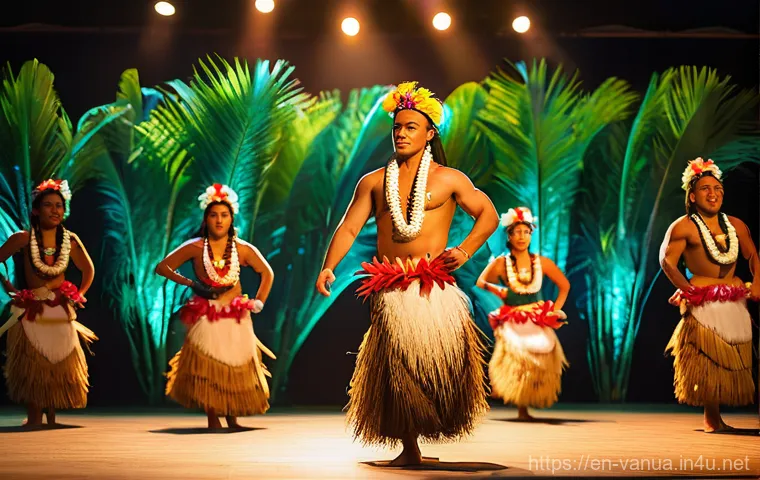
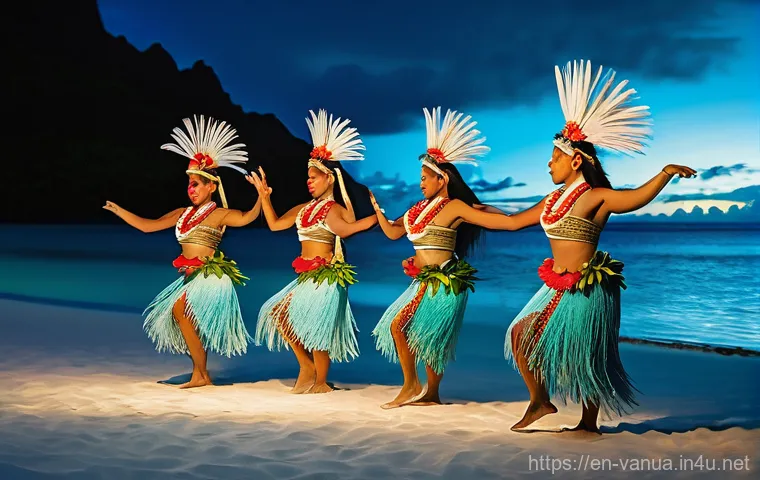
Think elegant resorts where staff are attentive and the pace of life feels refined. I remember one evening on Bora Bora, watching a stunning traditional dance performance under a canopy of stars – it was breathtakingly beautiful, a polished spectacle designed to enchant.
However, while you’re absolutely experiencing Polynesian culture, it often feels presented for you, a beautiful show rather than an invitation to fully immerse.
Vanuatu, on the other hand, is a whole different beast. It’s raw, it’s real, and it’s gloriously unvarnished. Here, “kastom” is king, and it’s not just a word; it’s the living, breathing essence of daily life.
Visiting a local village, I’ve had experiences that felt profoundly genuine, like sharing kava with elders or witnessing a centuries-old custom dance performed not for tourists, but as a vital part of community life.
The Ni-Vanuatu people are incredibly warm and welcoming, and their resilience and connection to their land are palpable. It’s a place where you don’t just observe culture; you often become a small part of it, even if just for an afternoon.
For anyone seeking a true cultural dialogue rather than just a cultural display, Vanuatu absolutely delivers.
Polynesian Elegance and Artistic Expressions
French Polynesia’s cultural landscape is undeniably captivating, deeply rooted in its Polynesian heritage but with a distinct French influence. This blend creates an environment where traditional art forms, such as intricate tattooing, wood carving, and pearl cultivation, thrive alongside a sophisticated culinary scene and modern amenities.
The famed Tahitian black pearls are not just beautiful; they carry generations of tradition and artistry. You’ll also find that language plays a role here; while French is widely spoken, particularly in tourist areas, a little effort to learn a few Tahitian phrases goes a long way.
I’ve always appreciated how French Polynesia celebrates its artistic expressions, from the rhythmic drumming and graceful movements of ‘ori Tahiti (traditional dance) to the detailed craftsmanship found in local markets.
It’s an immersion into a culture that values beauty, grace, and a certain je ne sais quoi that makes it utterly unforgettable. The focus here often leans towards a more luxurious and aesthetically pleasing cultural encounter, making it perfect for those who appreciate history intertwined with modern comforts.
Vanuatu’s Enduring ‘Kastom’ and Community Spirit
Stepping into Vanuatu, it’s immediately clear that ‘kastom’ is the bedrock of society. This refers to the traditional customs, beliefs, and laws that have governed daily life for centuries, often passed down orally through generations.
What struck me most was how actively these traditions are practiced and preserved. You can visit ‘kastom’ villages where people live much as their ancestors did, without electricity or modern conveniences, inviting visitors to respectfully learn about their way of life.
I’ve personally been welcomed into a chief’s nakamal (meeting house) to share kava, a mildly narcotic traditional drink, a truly humbling experience that builds connection.
The importance of land and community is paramount, and tourism often directly benefits these local communities through initiatives like village stays or guided cultural tours.
This isn’t just a glimpse into history; it’s an engagement with a living culture that prioritizes sustainability and collective well-being. The lack of commercialization in many areas means your interactions feel more authentic, less transactional, and more like a genuine exchange of understanding.
Thrill-Seeking Expeditions vs. Blissful Retreats
When it comes to how you spend your days, these two destinations present wonderfully divergent paths. French Polynesia, for me, has always been synonymous with unparalleled relaxation and sophisticated leisure.
It’s the kind of place where you wake up in your overwater bungalow, the turquoise lagoon stretching out before you, and your biggest decision is whether to snorkel off your deck or head to the spa for a treatment.
The activities tend to revolve around the water, but with a refined edge: luxury yacht charters, world-class diving with professional guides, sunset cruises with champagne, and perhaps a helicopter tour over the dramatic volcanic peaks.
I remember an afternoon spent paddleboarding in the impossibly clear waters of Bora Bora, feeling utterly serene and completely pampered. It’s an experience designed for unwinding, for romantic getaways, and for indulging in the beauty of your surroundings without a single worry.
Vanuatu, conversely, screams adventure from the moment you land. If your idea of a perfect vacation involves pushing boundaries and getting your heart rate up, this is your playground.
Think hiking active volcanoes where you can literally peer into a bubbling lava lake at night – an experience I can tell you firsthand is mind-blowingly primal and unforgettable.
Then there’s world-class wreck diving, exploring underwater caves, canyoning through lush rainforests, or even land diving (Bungee jumping’s ancient ancestor) on Pentecost Island if you’re brave enough to visit during the season.
It’s an unfiltered, adrenaline-fueled paradise where you’re constantly connecting with the raw power of nature. While you can certainly relax on a pristine beach, the call of exploration is strong, and the opportunities for unique, active experiences are endless.
Diving into Polynesian Aquatic Wonders
French Polynesia is a diver’s dream, renowned globally for its incredibly diverse and vibrant underwater ecosystems. The crystal-clear lagoons and dramatic coral gardens are teeming with marine life, from graceful manta rays and docile reef sharks to colorful tropical fish.
The visibility is often astounding, making every snorkel or dive feel like you’re gliding through an enormous, natural aquarium. Iconic dive sites like the Tiputa Pass in Rangiroa or the “aquarium” near Bora Bora offer exhilarating drift dives and encounters with large pelagics.
I’ve spent countless hours mesmerized by the sheer abundance and beauty beneath the surface here. Beyond diving, there are opportunities for whale watching (seasonal), jet-skiing across vast lagoons, or simply enjoying a leisurely swim in the warm, inviting waters.
The focus is on appreciating the natural beauty of the ocean in a comfortable, often luxurious, setting. You’ll find top-notch dive operators and well-maintained equipment, ensuring a safe and memorable experience for everyone from beginners to seasoned pros.
Vanuatu’s Volcanic Adventures and Shipwreck Mysteries
If you’re seeking a more rugged and adventurous engagement with nature, Vanuatu offers a smorgasbord of thrilling activities. The active volcano Mount Yasur on Tanna Island is, for me, a bucket-list topping experience.
Standing on the rim at dusk, feeling the ground rumble beneath your feet as fiery lava bombs erupt into the night sky – it’s profoundly humbling and exhilarating.
Then there’s the wreck of the SS President Coolidge, considered one of the world’s most accessible and fascinating large shipwrecks, a colossal dive site that appeals to experienced divers.
Beyond these headline attractions, you can explore hidden waterfalls, go caving in ancient lava tubes, or trek through dense jungle to discover remote villages.
The physical exertion is often part of the reward, leading you to pristine, untouched locations that feel like your own private discovery. It’s a place where you can truly push your boundaries and connect with the Earth’s raw power, often leaving you feeling invigorated and with a profound sense of accomplishment.
Navigating the Investment: Budgeting Your Island Escape
Let’s be frank: a South Pacific getaway is an investment, and understanding where your money goes is crucial for planning the perfect trip. French Polynesia, in my experience, leans towards the higher end of the luxury travel spectrum.
It’s not uncommon for daily expenses, especially for accommodation, dining, and activities, to quickly add up. The iconic overwater bungalows, while undeniably dreamy, come with a premium price tag.
You’re paying for unparalleled service, exquisite surroundings, and a level of refinement that few places can match. Everything from a simple meal to a guided excursion will often cost more than you might anticipate, and the exchange rate (using the CFP Franc) can sometimes feel less favorable to visitors from USD or EUR countries.
For me, it’s a destination where you save up, splurge a bit, and fully embrace the high-end experience without worrying too much about the daily tally.
It’s a place for honeymoons, anniversaries, or that once-in-a-lifetime trip where indulgence is the name of the game. Vanuatu, while still a vacation destination that requires a budget, generally offers a more accessible price point.
You can find a wider range of accommodations, from comfortable guesthouses and eco-lodges to mid-range resorts, providing options for various budgets.
Daily expenses, including food, local transport, and activities, tend to be significantly lower than in French Polynesia. For instance, eating at a local market or a small village eatery will give you authentic flavors at a fraction of the cost of resort dining.
Activities like volcano tours or village visits, while not free, are often priced reasonably and contribute directly to local communities. The currency, the Vanuatu Vatu (VUV), often feels more favorable, making your money stretch further.
I’ve found that my dollars go a much longer way in Vanuatu, allowing me to extend my trip or experience more without breaking the bank. It’s a fantastic option if you want an immersive South Pacific experience without the associated luxury price tag.
The Cost of Polynesian Opulence
When you think French Polynesia, think high-end. The luxury resorts, particularly in places like Bora Bora or Moorea, are world-renowned for their exclusivity, impeccable service, and breathtaking settings.
A night in an overwater bungalow can easily run you several hundred, if not thousands, of US dollars. Dining out, even at a casual restaurant, can be pricey, and fine dining experiences at resort restaurants are equivalent to high-end European cities.
Transportation between islands, often by expensive domestic flights or ferry services, also adds up. Excursions like private boat tours, shark and ray feeding, or scuba diving expeditions are similarly priced to other premium destinations worldwide.
Alcohol, due to import taxes, can be particularly expensive. My advice for French Polynesia is always to budget generously, or look for all-inclusive packages if you want to manage costs more predictably.
It’s a destination where you’re paying for a premium, unforgettable experience, and it absolutely delivers on that front.
Vanuatu’s Value-Oriented Adventures
Vanuatu presents a compelling case for travelers seeking incredible value without compromising on experience. While you can certainly find upscale resorts, many of the charms lie in its more modest yet comfortable accommodations.
Guesthouses, bungalows, and eco-lodges offer a fantastic way to experience the local culture at a fraction of the cost. Eating is where you can really save; local markets burst with fresh produce, and small eateries offer delicious, authentic meals for just a few dollars.
Transportation, especially using local minibuses or shared taxis, is incredibly affordable. Even major attractions like the Mount Yasur volcano tour or a dive on the SS President Coolidge are priced accessibly, allowing you to participate in these once-in-a-lifetime experiences without feeling a massive pinch.
For me, Vanuatu offers a fantastic balance where you can have thrilling adventures and deep cultural immersion without necessarily needing a millionaire’s budget.
It’s proof that paradise doesn’t always have to come with an exorbitant price tag.
Savoring the Flavors: Culinary Journeys
Eating your way through a new destination is, for me, one of the greatest joys of travel, and both Vanuatu and French Polynesia offer distinct gastronomic adventures.
French Polynesia, with its undeniable French influence, brings a sophisticated twist to its local ingredients. Think fresh seafood prepared with exquisite sauces, French bakeries serving up flaky croissants, and world-class chefs crafting fusion dishes.
You’ll find plenty of high-end restaurants, especially in the resorts, where presentation is an art form and the wine list is extensive. I’ve had some truly memorable meals there, like a perfectly seared tuna tataki overlooking a lagoon, accompanied by a glass of crisp Sauvignon Blanc.
It’s an experience that caters to refined palates and those who appreciate gourmet dining in stunning settings. While local fare like poisson cru (raw fish marinated in lime and coconut milk) is a staple and absolutely delicious, the overall culinary scene often feels elevated and internationally inspired.
Vanuatu, on the other hand, is a feast for the senses in a much more earthy, authentic way. The focus here is on incredibly fresh, locally sourced ingredients – often straight from the garden or the ocean that very day.
You won’t find as many Michelin-starred chefs, but what you *will* find is honest, hearty food that celebrates the islands’ bounty. Vanuatu is famous for its organic produce, particularly its ‘kumala’ (sweet potato), taro, and ‘laplap’ (a root vegetable pudding baked in an underground oven).
And let’s not forget the incredible beef, often pasture-fed and renowned for its quality. Eating here is often a more communal affair, whether it’s at a bustling local market, a small village eatery, or a modest restaurant.
I remember a meal of freshly caught snapper, grilled simply with a squeeze of lime, eaten right on the beach – it was pure, unadulterated perfection. It’s a culinary journey that prioritizes freshness, tradition, and a direct connection to the land and sea.
Gourmet Delights and Franco-Polynesian Fusion
French Polynesia’s culinary scene is a delightful fusion of traditional Polynesian flavors with the sophisticated techniques and ingredients of French gastronomy.
Fresh seafood is, of course, king, with tuna, mahi-mahi, and snapper appearing on almost every menu. Poisson cru, their national dish of raw fish marinated in lime juice and coconut milk, is a must-try – incredibly refreshing and flavorful.
Beyond that, you’ll encounter dishes like fafaru (fermented fish) for the adventurous, alongside exquisite French-inspired cuisine. Think foie gras served with mango chutney, delicate pastries from local patisseries, and an impressive selection of wines from France.
Many resorts host themed buffet nights with live cultural performances, offering a grand spread of international and local dishes. The dining experience in French Polynesia often goes beyond just the food; it’s about the ambiance, the view, and the impeccable service, making every meal feel like a special occasion.
Farm-to-Table Freshness in Vanuatu
Vanuatu’s food scene is a testament to its fertile volcanic soil and abundant oceans, emphasizing fresh, organic, and often incredibly simple preparations that let the natural flavors shine.
Local staples include root vegetables like taro, yam, and kumala (sweet potato), often cooked in traditional ways, such as ‘laplap’ – a grated root vegetable or plantain mixed with coconut cream, wrapped in leaves, and baked in a hot stone oven.
Seafood is incredibly fresh, often caught that day, and prepared grilled, curried, or in coconut milk. Vanuatu is also famous for its organic, grass-fed beef, which is exceptionally tender and flavorful; trying a local steak is an absolute must.
Dining experiences often involve local markets, such as Mama’s Market in Port Vila, where you can sample street food or buy fresh produce, or small, family-run eateries that serve up hearty, home-cooked meals.
It’s a culinary journey that feels honest, wholesome, and deeply connected to the island’s natural bounty, offering a true taste of authentic Melanesian flavors.
Comparing Island Experiences: A Quick Overview
Sometimes, it’s easier to see things laid out side-by-side, especially when you’re trying to make a big decision about your next adventure. While both Vanuatu and French Polynesia promise paradise, how they deliver it is where the real distinction lies.
Think of it like this: French Polynesia is the meticulously crafted jewel, gleaming with refined luxury and picture-perfect beauty, while Vanuatu is the rugged, untamed diamond, full of raw, earthy charm and unexpected thrills.
I’ve compiled a little table below to give you a quick visual snapshot of some key aspects, based on my own adventures and observations. It’s not exhaustive, of course, but it highlights the areas where I’ve personally felt the most significant differences.
This really helped me clarify my choices when planning my own trips, and I hope it does for you too!
| Feature | French Polynesia | Vanuatu |
|---|---|---|
| Overall Vibe | Luxurious, Romantic, Refined Elegance | Authentic, Adventurous, Culturally Rich |
| Key Attractions | Overwater bungalows, pristine lagoons, fine dining, world-class diving/snorkeling | Active volcanoes, ‘kastom’ villages, shipwreck diving, cultural ceremonies |
| Cost Level | High-end luxury (premium prices) | Mid-range to budget-friendly (better value) |
| Cultural Interaction | Polished performances, resort-based experiences | Deep immersion, community-led tourism, active participation |
| Food & Drink | Franco-Polynesian fusion, gourmet dining, imported wines | Fresh, organic local produce, traditional Melanesian dishes, kava |
| Ideal For | Honeymoons, romantic getaways, luxury seekers, relaxation | Adventure travelers, culture enthusiasts, responsible tourism, budget-conscious |
Uncovering Hidden Gems: Beyond the Tourist Trail
While both destinations have their famous spots that draw the crowds, I’ve always found that the true magic often lies just a little off the beaten path.
In French Polynesia, even amidst the luxury, you can find quieter islands or lesser-known corners of the main hubs that offer a more intimate experience.
For instance, exploring the interior of Tahiti or Moorea on a quad bike or visiting a small family-owned vanilla plantation on Taha’a gives you a glimpse into the local life away from the resort sheen.
I once stumbled upon a tiny, local eatery on Raiatea that served the most incredible fish curry, a place I never would have found if I hadn’t ventured away from the main tourist strip.
It’s about seeking out those smaller, more personal interactions, maybe chatting with a local pearl farmer or visiting a less-frequented beach. The infrastructure is there, so it’s more about making the conscious choice to step out of the curated resort experience.
Vanuatu, by its very nature, encourages and almost demands exploration beyond the main hubs. While Port Vila and Luganville are the biggest towns, the real treasures are scattered across its 83 islands.
Taking a domestic flight to a remote outer island, for example, might lead you to a secluded beach where you’re the only visitor for miles, or a village where traditions have remained unchanged for centuries.
I’ve personally taken local ferries between islands, which, while not luxurious, offered an incredible insight into daily life and interactions with the Ni-Vanuatu people.
Discovering a pristine blue hole on Espiritu Santo that felt entirely untouched, or trekking to a waterfall known only to local guides – these are the moments that make Vanuatu truly shine.
It’s a place where genuine discovery is around every corner, and the less commercialized nature of the islands makes these experiences feel incredibly special and authentic.
Seeking Seclusion in French Polynesia’s Lesser-Known Spots
Even with its reputation for luxury and popular spots, French Polynesia holds countless opportunities for those willing to look beyond the main draws.
While Bora Bora, Tahiti, and Moorea capture most of the attention, islands like Huahine, Raiatea, and Taha’a offer a more subdued yet equally beautiful experience.
Huahine, often called the “Garden Island,” boasts lush landscapes, ancient marae (temples), and a slower pace of life that feels incredibly charming. On Taha’a, known as the “Vanilla Island,” you can visit vanilla plantations and learn about the cultivation of this precious spice, all while enjoying breathtaking views of its verdant hills and clear waters.
These islands offer a chance to connect more intimately with the local population, explore untouched natural beauty, and enjoy the Polynesian charm without the larger crowds or higher prices of the more famous destinations.
It’s about choosing a path less traveled within a well-trodden region.
Vanuatu’s Remote Island Discoveries
For the truly adventurous soul, Vanuatu’s outer islands are a treasure trove of untouched beauty and genuine cultural encounters. Places like Ambrym Island, known for its active volcanoes and traditional magic, offer truly unique experiences far from anything you’ll find in mainstream tourism.
Pentecost Island is home to the spectacular ‘nagol’ or land diving ritual, a precursor to bungee jumping, which occurs seasonally and is a profound cultural spectacle.
Even on larger islands like Espiritu Santo, venturing inland reveals stunning blue holes, pristine rivers, and caves that feel like ancient secrets. The journey to these remote areas is often part of the adventure, involving small planes or local boats, but the rewards are immeasurable – encounters with communities living traditional lifestyles, untouched natural wonders, and a profound sense of having truly explored.
It’s in these places that Vanuatu truly distinguishes itself as a destination for authentic discovery and raw, unadulterated exploration.
Getting There and Getting Around: Logistics Made Easy (or Not So Easy!)
One of the practicalities that always weighs on my mind when planning a trip is how easy it’s going to be to actually get to the destination and then move around once I’m there.
French Polynesia, being a more established tourist destination, generally offers a smoother, albeit sometimes pricier, logistical experience. International flights typically land in Papeete, Tahiti, and from there, Air Tahiti operates a relatively efficient network of inter-island flights to the major tourist hubs.
The planes are comfortable, the schedules are reliable (mostly!), and getting from the airport to your resort usually involves pre-arranged transfers or readily available taxis.
On the main islands, you can rent cars, scooters, or rely on taxis to explore. The infrastructure is well-developed to cater to international visitors, making the journey feel part of the polished experience.
I’ve always found it quite straightforward to navigate, allowing me to focus more on enjoying the paradise rather than stressing about the travel itself.
Vanuatu, conversely, requires a bit more of an adventurous spirit when it comes to logistics. International flights land in Port Vila, Efate, and while there are domestic flights to some of the larger outer islands (like Espiritu Santo or Tanna), the schedules can be a bit more fluid, and the planes are often smaller.
Getting to truly remote islands might involve local cargo boats or even chartering small aircraft, which can be an adventure in itself! On the islands, public transport often means shared minibuses or pick-up trucks, and while they’re cheap and a great way to meet locals, they might not run on a strict schedule.
Renting a 4×4 is often recommended for exploring further afield on the main islands, given the varying road conditions. It’s definitely more of a “go with the flow” kind of place, and while it requires more patience and flexibility, I’ve found these travel experiences themselves often become some of the most memorable parts of the trip, full of unexpected encounters and genuine local interactions.
Smooth Sailing: Navigating French Polynesia’s Islands
Traveling to and around French Polynesia is, for the most part, a relatively seamless experience designed for comfort. Most international visitors arrive at Faa’a International Airport (PPT) in Tahiti.
From there, the domestic carrier, Air Tahiti, provides reliable and scenic flights to popular islands like Bora Bora, Moorea, Raiatea, and Rangiroa. The flight duration between islands is usually short, offering breathtaking aerial views of the lagoons and atolls.
Upon arrival at an outer island, resorts typically arrange boat transfers directly to their properties, especially in Bora Bora with its famous overwater bungalows.
On land, taxis are readily available, and car or scooter rentals are options for those who want to explore independently on larger islands. Ferries also operate between Tahiti and Moorea, providing another convenient travel option.
The entire system is quite efficient and user-friendly, catering to travelers who prioritize ease and comfort during their island hopping adventures.
Vanuatu’s Adventurous Travel Pathways
Navigating Vanuatu often feels like stepping into a real-life adventure. International flights land at Bauerfield International Airport (VLI) in Port Vila, Efate.
From there, Air Vanuatu operates domestic flights to several other islands, including Espiritu Santo and Tanna, but be prepared for smaller planes and potentially flexible schedules – part of the island charm!
To reach more remote islands, you might find yourself on local ferries or even chartering small boats, which offer a truly authentic local experience.
On the main islands like Efate and Espiritu Santo, shared minibuses (often just private vans) serve as the primary mode of public transport, running flexible routes and offering an affordable way to get around.
For more independent exploration, especially off paved roads, renting a 4×4 vehicle is often the best choice. While it might require a little more planning and a readiness for the unexpected, the journey itself often becomes an integral and memorable part of your Vanuatu adventure, fostering deeper connections with the local culture and landscapes.
Wrapping Up Our Island Expedition
Whew, what an adventure we’ve had, right? Diving deep into the very heart of both French Polynesia and Vanuatu truly highlights how incredibly diverse our beautiful world is, even within the same breathtaking region of the South Pacific. For me, it boils down to what your heart is truly craving. If it’s that picture-perfect, luxurious escape with a touch of French flair and unparalleled comfort, French Polynesia is calling your name. But if you’re like me and sometimes yearn for the raw, untamed spirit of adventure, genuine cultural immersion, and experiences that truly challenge and transform you, then Vanuatu is an absolute must-see. Both destinations are pure magic, but they offer such wonderfully different canvases for your travel dreams.
Useful Information to Know
1. Currency and Connectivity: While French Polynesia uses the CFP Franc, Vanuatu uses the Vatu. Always have some local cash for smaller vendors, especially in Vanuatu’s more remote areas, though cards are generally accepted in resorts. Wi-Fi is available in most resorts but can be spotty and pricey on outer islands, so prepare for some digital detox!
2. Packing Essentials: Regardless of your chosen paradise, pack light, breathable clothing, plenty of reef-safe sunscreen, insect repellent, and a good wide-brimmed hat. A decent pair of water shoes is a lifesaver for exploring reefs and rocky shorelines in both locations, trust me on this one!
3. Cultural Respect is Key: Both destinations are rich in culture. Always ask permission before taking photos of people, especially in Vanuatu’s villages. Learn a few basic phrases in Tahitian or Bislama (Vanuatu’s lingua franca) – it shows respect and opens doors to genuine interactions that money can’t buy.
4. Booking Ahead: For French Polynesia, especially during peak season, booking accommodations, inter-island flights, and popular excursions well in advance is crucial. Vanuatu, while generally more flexible, still benefits from pre-booking domestic flights and unique tours like volcano trips to ensure availability.
5. Health and Safety: Consult your doctor about necessary vaccinations before traveling to either destination. Stay hydrated, especially in the tropical heat, and be mindful of sun exposure. While both are generally safe, always exercise common sense, safeguard your valuables, and be aware of your surroundings.
Key Takeaways
Ultimately, your South Pacific adventure will be unforgettable, whether you choose the refined luxury and iconic beauty of French Polynesia or the authentic, thrilling, and deeply cultural encounters of Vanuatu. French Polynesia offers a seamless, pampered experience perfect for romance and indulgence, where every detail is meticulously curated. Vanuatu, on the other hand, beckons the intrepid traveler with its raw natural wonders, vibrant living traditions, and a genuine sense of discovery that often comes with a more budget-friendly approach. Consider your priorities – relaxation and gourmet dining, or active exploration and profound cultural connection – and let that guide you to your perfect island paradise. Either way, you’re in for the trip of a lifetime!
Frequently Asked Questions (FAQ) 📖
Q: So, let’s talk brass tacks: what’s the real difference in budget between Vanuatu and French Polynesia, and how does that play out during your trip?
A: This is often the make-or-break question for many travelers, and it’s a huge differentiator! In my experience, French Polynesia, with its iconic overwater bungalows and high-end resorts, generally skews towards a more luxurious, and consequently, a much pricier escape.
Think sophisticated dining, private excursions, and boutique shopping – it all adds up quickly, from the flights to the daily mojitos. I’ve found that even basic amenities can carry a premium because of the high demand and the sheer exclusivity of some of those destinations like Bora Bora.
On the flip side, Vanuatu is remarkably more accessible budget-wise. While you can certainly find comfortable accommodations, the focus leans towards more authentic, community-run guesthouses and simpler, yet incredibly charming, bungalows.
I personally loved staying in places that offered a glimpse into local life without breaking the bank. Your money simply stretches further there, whether it’s for delicious local meals, unique cultural tours, or even just getting around.
If you’re conscious about your spending but still dream of a South Pacific paradise, Vanuatu offers incredible value without compromising on unforgettable experiences.
It truly feels like you’re getting an adventure for your dollar, not just a postcard view.
Q: I’m really keen on cultural immersion and experiencing something truly authentic. Which destination would you say offers a deeper dive into local traditions and a more ‘uncommercialized’ feel?
A: Oh, this is where Vanuatu truly shines, and it’s something I absolutely adore about the place! If your heart is set on deep cultural immersion, on truly connecting with ancient traditions, and on experiencing a destination that feels wonderfully untamed by mass tourism, then Vanuatu is unequivocally your pick.
I’ve been to villages there where ‘kastom’ (their traditional way of life) is vibrant and palpable, where the dances, ceremonies, and even the daily routines feel like a living, breathing history.
You can witness incredible land diving on Pentecost Island, or explore active volcanoes on Tanna that are deeply intertwined with local beliefs. It’s raw, it’s real, and it’s profoundly moving.
French Polynesia, while beautiful and culturally rich in its own right, often presents its culture through a more curated, resort-friendly lens. You’ll find beautiful traditions and historical sites, of course, but the sheer untouched authenticity and the direct, unvarnished connection to indigenous ways of life that I experienced in Vanuatu are truly unique.
I felt a genuine sense of being a welcomed guest, rather than just another tourist, which for me, makes all the difference.
Q: For someone who loves adventure and isn’t afraid to get a little rugged, but also appreciates a good balance with relaxation, which spot would you recommend, and what kind of activities can I expect?
A: This is such a great question because it really highlights the core difference in the vibe of these two amazing places! If you’re like me and your idea of a perfect trip involves a healthy dose of adrenaline mixed with moments of blissful relaxation, Vanuatu is going to be calling your name loudly.
Picture this: one day you’re standing on the rim of an active volcano, feeling the rumble and seeing the lava glow – an experience that still gives me chills!
The next, you could be exploring world-class WWII shipwrecks like the SS President Coolidge, a diver’s absolute dream. There are also incredible blue holes for swimming, challenging jungle treks, and even opportunities for caving.
It’s an explorer’s paradise! While you can definitely find serene beaches for unwinding, the core of Vanuatu’s appeal lies in its dynamic, hands-on adventures.
French Polynesia, on the other hand, excels at luxurious, postcard-perfect relaxation, often centered around those breathtaking lagoons. Think snorkeling with manta rays, paddleboarding from your overwater bungalow, or indulging in a spa treatment with ocean views.
You can certainly find some adventure, like shark feeding or hiking, but the overall rhythm tends to be more geared towards serene indulgence and refined leisure.
So, if “rugged adventure” really speaks to you, with relaxation as a well-earned reward, Vanuatu will deliver that thrill you’re seeking.