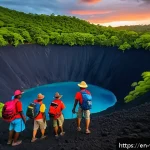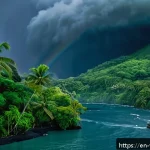
Hey there, fellow adventurers! If you’re anything like me, you’re always chasing that next unforgettable journey, a place where nature’s raw beauty meets a vibrant culture that truly touches your soul.
Well, let me tell you, Vanuatu is exactly that kind of destination, and it’s been calling my name (and probably yours too!) for ages. Forget just lounging on pristine beaches – though there’s plenty of that to enjoy – because the real magic, the very heartbeat of these stunning islands, lies in their incredible hiking and trekking trails.
From the moment I first laced up my boots and stepped onto a path less traveled here, I knew I was in for something special. Imagine this: you’re scaling an active volcano, feeling the earth rumble beneath your feet, or perhaps winding through ancient rainforests where every turn reveals a hidden waterfall cascading into crystal-clear pools.
It’s not just about the physical challenge; it’s about connecting with nature in its purest form and experiencing the warmth of the local communities along the way, who are so dedicated to sharing their ‘kastom’ and preserving this paradise through ecotourism.
I’ve found that Vanuatu really embraces responsible travel, making every step you take feel meaningful. There’s a tangible shift towards more authentic, low-impact adventures, and believe me, it enhances the entire experience tenfold.
You truly get to immerse yourself in the natural wonders and vibrant traditions that make this archipelago so unique, a trend that’s only growing stronger as we look ahead.
It’s the kind of adventure that stays with you, long after the dust has settled. So, are you ready to discover the trails that will leave you breathless and fill your spirit with wonder?
Let’s dive deeper and uncover exactly what makes Vanuatu’s hiking and trekking courses an absolute must-do for any true explorer!
Unveiling Vanuatu’s Fiery Heart: The Volcano Ascents
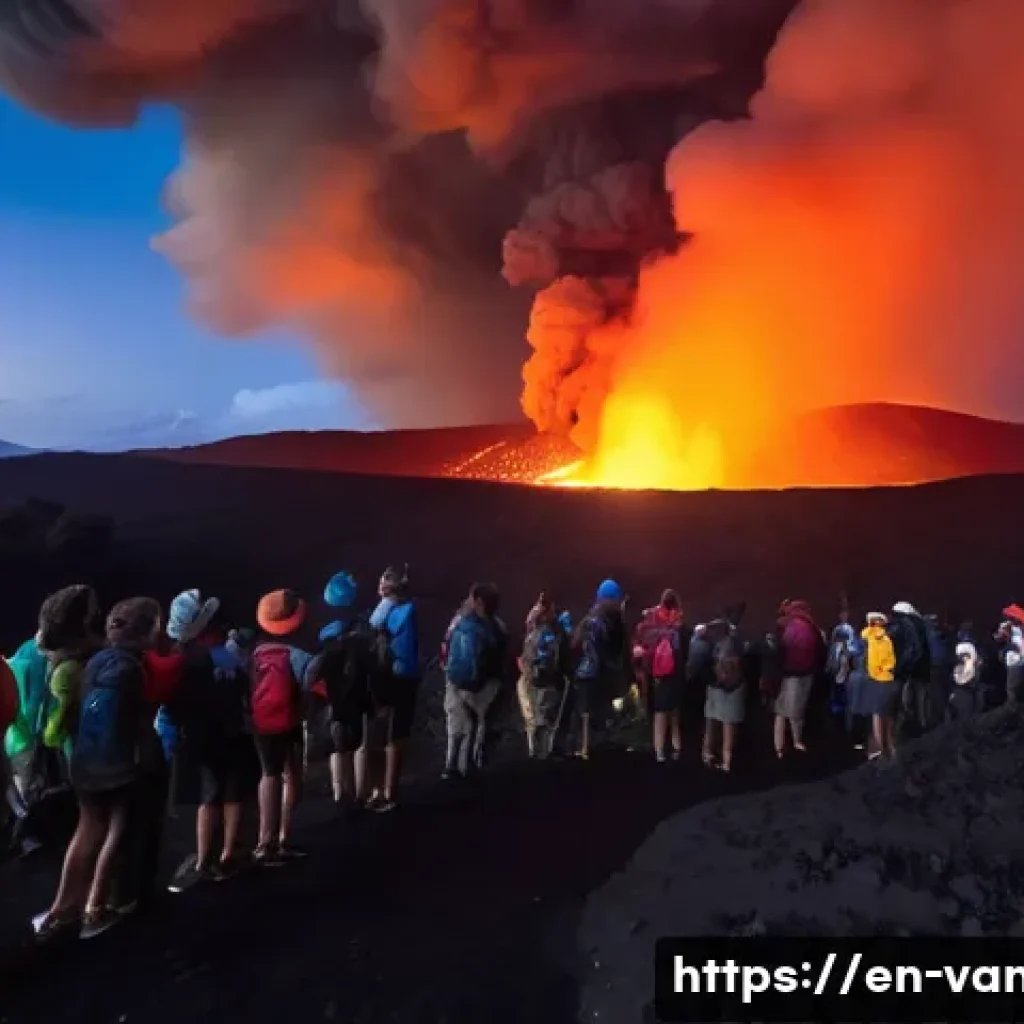
There’s just something inherently thrilling about standing on the edge of an active volcano, isn’t there? It’s a primal experience, one that truly connects you to the raw power of our planet. And let me tell you, Vanuatu absolutely delivers on this front, especially when you set your sights on Mount Yasur on Tanna Island. I remember my first ascent there; the air was thick with anticipation, and as we drew closer, the ground beneath my feet vibrated with a low rumble. It wasn’t just a hike; it was a pilgrimage to witness Earth’s spectacular show. The evening light cast a dramatic glow as we watched molten rock explode into the twilight sky, painting streaks of orange and red against the darkening canvas. It’s an unforgettable sensory overload – the smell of sulfur, the sound of the eruptions, the sheer heat radiating from the crater. This isn’t your average stroll in the park; it’s a profound encounter that makes you feel incredibly alive and utterly humbled by nature’s majesty. Seriously, if you’re looking for an adventure that will imprint itself on your memory forever, this is it.
Mount Yasur: A Roaring Spectacle
Mount Yasur isn’t just any volcano; it’s one of the world’s most accessible active volcanoes, which means you can get pretty close to the action. My guide, a local Ni-Vanuatu elder, shared stories of its significance to their culture as we made our way up, enriching the experience tenfold. The hike itself isn’t overly strenuous, making it a fantastic option even for those who aren’t seasoned mountaineers. However, the real challenge is sometimes the unpredictable weather, so always be prepared for a sudden downpour, even if the sun’s shining when you start. The viewing platforms are strategically placed to offer incredible, safe vantage points, and seeing those fiery explosions up close truly takes your breath away. It felt surreal, almost like I was witnessing a scene from a science fiction movie, but it was all incredibly real and raw. Don’t forget your camera, but also make sure to put it down and just soak in the moment – some memories are best kept just for yourself.
Safety First on the Slopes
While the allure of an active volcano is immense, safety is paramount. Always, and I mean *always*, follow the instructions of your local guides. These folks know the mountain like the back of their hand, and their advice is gold. They’re constantly assessing the volcano’s activity levels and the weather conditions, ensuring everyone’s well-being. I saw some folks try to wander off the designated paths, and frankly, it’s just not worth the risk. Stick to the marked trails, wear sturdy shoes – trust me, you’ll want good grip on the volcanic ash – and bring a headlamp if you’re doing an evening tour. The paths can be a bit uneven, and visibility can drop quickly. A little common sense and respect for the environment go a long way in ensuring your volcanic adventure is thrilling for all the right reasons. Plus, the guides often share fascinating insights into the geology and cultural significance of the volcano, making the experience even richer.
Emerald Canopies and Cascading Wonders: Rainforest Treks
Stepping into Vanuatu’s rainforests is like entering another world entirely. The air immediately feels cooler, heavier, and alive with the symphony of unseen creatures. On my trip to Espiritu Santo, I spent a day trekking through lush jungle, following a winding river that promised hidden treasures. And oh, did it deliver! The sheer density of the foliage, the ancient trees draped in vines, and the vibrant bursts of tropical flowers around every corner were just mesmerizing. It’s a completely different kind of challenge from the volcanic slopes – here, it’s about navigating slippery roots, crossing small streams, and feeling enveloped by nature’s embrace. What I truly loved was the sense of discovery. You never quite know what you’re going to stumble upon next, be it a brightly colored bird, a unique insect, or the sound of rushing water that signals a waterfall just ahead. This is where you truly disconnect from the hustle and bustle and reconnect with the wild heart of the islands. It’s an immersive experience that leaves you feeling refreshed and invigorated.
Secret Waterfalls and Cooling Dips
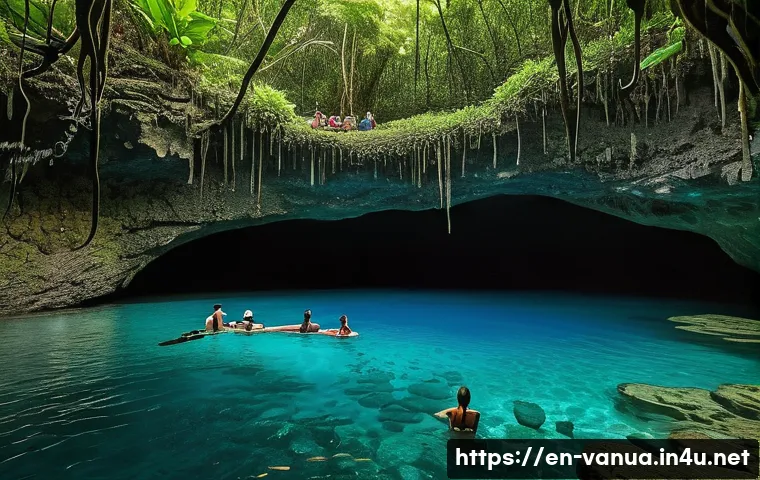
One of the absolute highlights of rainforest trekking is finding those pristine waterfalls and natural swimming holes. After hours of hiking through humid jungle, there’s nothing quite like plunging into cool, crystal-clear water. I vividly remember reaching the “Blue Caves” on Santo – it wasn’t a cave in the traditional sense, but a series of stunning sapphire-hued swimming holes fed by an underground spring. The water was so incredibly clear, you could see every pebble on the bottom. It felt like stepping into a postcard! Many of these spots are known only to local guides, which makes the discovery even more special. They often have ropes for swinging into the deeper pools or perfectly placed rocks for sunbathing. These moments of pure bliss and refreshing relief are what make the effort of the trek absolutely worth it. Just imagine floating in a natural pool, surrounded by the sounds of the jungle, with sunlight filtering through the canopy – pure magic, right?
Navigating the Jungle’s Embrace
Trekking through the rainforest requires a bit more agility and a keen eye. The paths, if they can even be called that sometimes, are often narrow, muddy, and riddled with roots. Good, waterproof hiking shoes are non-negotiable here. I learned that the hard way when my sneakers became mud-soaked weights! Local guides are invaluable for these treks; they not only know the safest routes but can also point out fascinating flora and fauna that you’d otherwise completely miss. They’ll show you medicinal plants, identify bird calls, and tell you about the local legends associated with specific trees or rivers. There’s a beautiful rhythm to hiking in the rainforest, a kind of peaceful absorption into the environment. You quickly learn to appreciate the sounds of the jungle, the rustling leaves, the distant calls of birds, all creating a natural soundtrack to your adventure. It’s a humbling reminder of the incredible biodiversity that thrives here, and it makes every step feel like a privilege.
Coastal Whispers: Paths Less Traveled by the Sea
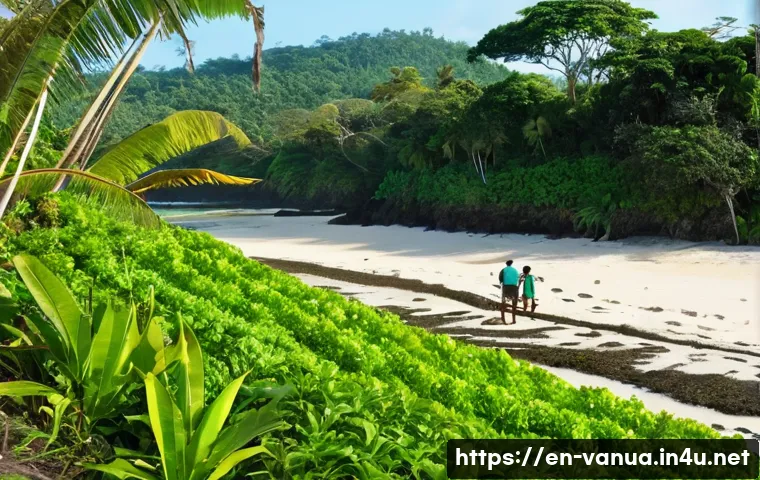
While Vanuatu is famous for its inland adventures, don’t overlook the incredible coastal trails that offer a completely different, yet equally captivating, hiking experience. I spent a fantastic day on Malekula, exploring a path that hugged the coastline, offering breathtaking views of the Pacific Ocean on one side and dense jungle on the other. It wasn’t a strenuous climb, but rather a meandering journey that allowed me to truly soak in the stunning scenery and feel the refreshing sea breeze. These trails often link up local villages, giving you a unique insight into daily life along the coast. You might pass children playing on the beach, fishermen mending their nets, or women tending to their gardens. It’s a wonderful blend of natural beauty and cultural immersion, far from the typical tourist hotspots. The sound of the waves crashing against the shore becomes your constant companion, and the vibrant blues of the ocean are simply mesmerizing. These walks are perfect for anyone looking for a more relaxed pace, but still yearning for that sense of adventure and discovery.
Breathtaking Ocean Vistas
The views you get from Vanuatu’s coastal trails are nothing short of spectacular. Imagine walking along a path carved into a cliffside, with panoramic vistas of turquoise lagoons, pristine white-sand beaches, and the endless expanse of the Pacific stretching out to the horizon. I’ve taken countless photos, but honestly, none of them truly capture the sheer scale and beauty of it all. On one particular stretch, I found myself stopping every few minutes just to gaze out at the ocean, watching tiny outrigger canoes glide across the water. It’s the kind of scenery that makes you want to pinch yourself. The sunlight sparkling on the water, the gentle sway of palm trees, and the fresh salty air create an atmosphere of pure tranquility. It’s a truly rejuvenating experience, a chance to clear your head and just be present in the moment, surrounded by some of the most stunning seascapes you’ll ever encounter. These trails offer a unique perspective, combining the thrill of exploration with the serene beauty of the ocean.
Village Encounters by the Shore
What makes these coastal walks even more special is the opportunity to interact with the local communities. Unlike some more secluded treks, coastal trails often pass directly through or very close to Ni-Vanuatu villages. My guide introduced me to several families, and I was genuinely touched by their warmth and hospitality. We shared a cup of fresh coconut water, and they told me about their daily lives, their customs, and the challenges they face. These aren’t staged cultural shows; it’s just everyday life, and being welcomed into it is a privilege. Supporting these communities, perhaps by buying a small handcrafted souvenir or simply engaging in respectful conversation, adds so much more depth to your journey. It’s a chance to understand the true spirit of Vanuatu, which is as much about its people as it is about its breathtaking landscapes. These interactions are often the most memorable parts of the trip, reminding you that travel is about connecting with both places and people.
Gearing Up for Paradise: Essential Trail Prep
Okay, let’s get practical for a moment, because even in paradise, a little preparation goes a long way. Trust me, I’ve made my share of packing blunders over the years, and learning from experience is key, especially when you’re heading into some of Vanuatu’s more remote areas. Getting your gear right means the difference between an incredible adventure and a day spent battling discomfort. Think about the tropical climate – it’s hot, humid, and rain can come out of nowhere, even if the forecast says otherwise. This isn’t the place for heavy denim or fancy city shoes. You need lightweight, breathable fabrics that dry quickly, and footwear that can handle mud, rocks, and water crossings with ease. I always overpack water because dehydration is no joke in this heat, and a good quality backpack that distributes weight evenly can save your shoulders and back a world of pain. Investing a little time in planning your packing list will pay off handsomely, ensuring you’re ready for whatever amazing challenges and beautiful sights Vanuatu throws your way.
Footwear Facts: Keeping Your Soles Happy
Seriously, your feet are going to be your best friends on these trails, so treat them right! I cannot stress enough the importance of proper footwear. For the volcanic treks, sturdy hiking boots with good ankle support are ideal for navigating the loose ash and uneven terrain. For the rainforests and coastal paths, something waterproof or quick-drying is a game-changer. I personally swear by a pair of lightweight, breathable trail shoes that have excellent grip. Avoid brand-new shoes; always break them in before your trip to prevent blisters. And for the love of all things comfortable, pack a few pairs of moisture-wicking socks! Cotton socks are a recipe for disaster in humid conditions. Having happy feet means you can focus on the incredible scenery and the adventure itself, rather than limping along. A blister can ruin a day, so take this advice to heart!
Hydration Hacks and Sun Smarts
The tropical sun in Vanuatu is no joke, and neither is the humidity. Dehydration can creep up on you quickly, so my biggest tip is to carry more water than you think you’ll need. A reusable water bottle is a must, and many accommodations offer filtered water refills. Electrolyte tablets or powders can also be a lifesaver, especially on longer, more strenuous treks. And speaking of the sun, comprehensive sun protection is non-negotiable. A wide-brimmed hat, sunglasses, and a good quality, reef-safe sunscreen are your best friends. I also like to wear lightweight, long-sleeved shirts to protect my arms from both the sun and any pesky insects. Don’t forget insect repellent either – especially for dawn and dusk when the mosquitoes are most active. Staying hydrated and protected means you can enjoy every minute of your outdoor adventures without worrying about sunburn or heatstroke.
| Essential Hiking Item | Why You Need It | My Top Tip/Pick |
|---|---|---|
| Sturdy Hiking Shoes | Protection and grip on varied terrain (volcanic ash, mud, roots). | Waterproof trail runners or light hiking boots (broken in!). |
| Lightweight, Breathable Clothing | Manages heat and humidity, dries quickly. | Quick-dry synthetic fabrics, long sleeves for sun protection. |
| Water Bottle/Hydration Pack | Crucial for staying hydrated in the tropical climate. | 2-liter capacity minimum; consider electrolyte tablets. |
| Sun Protection | Guards against intense tropical sun. | Wide-brimmed hat, sunglasses, reef-safe SPF 50+ sunscreen. |
| Insect Repellent | Keeps mosquitoes and other bugs at bay. | Look for DEET or picaridin-based options. |
| Small Backpack | Carries water, snacks, first-aid, camera. | Comfortable fit with good ventilation, 20-30L capacity. |
Beyond the Path: Connecting with Ni-Vanuatu Culture
For me, travel is never just about the scenery; it’s about the people and their stories. And in Vanuatu, this rings especially true. The hiking and trekking experiences here aren’t merely physical journeys; they are deep dives into the rich tapestry of Ni-Vanuatu culture, known as ‘kastom’. You’ll often find yourself walking through ancestral lands, guided by local villagers who are eager to share their heritage. This isn’t some curated show for tourists; it’s an authentic exchange that left a profound impact on me. I’ve learned so much about their traditional farming methods, their spiritual beliefs, and the importance of community from these interactions. It brings a whole new layer of meaning to every step you take, transforming a simple walk into a truly immersive cultural experience. It makes you realize that you’re not just a visitor; you’re a guest being welcomed into their world, and that feeling is truly priceless. It’s this genuine connection that elevates Vanuatu from a beautiful destination to a truly soulful one.
The Warmth of ‘Kastom’ Villages
One of the most rewarding aspects of trekking in Vanuatu is the opportunity to visit authentic ‘kastom’ villages. These are communities that maintain traditional ways of life, largely untouched by Western influence. My personal experience visiting a village on Pentecost Island was incredibly humbling. We were welcomed with traditional songs and dances, and then invited to share a meal prepared with fresh, locally sourced ingredients. The villagers explained their daily routines, the intricate social structures, and the significance of various rituals. It wasn’t just interesting; it was a powerful reminder of alternative ways of living and connecting with the land. You get to see firsthand how their lives are intrinsically linked to nature and how they sustain themselves. Remember to always be respectful of their customs, ask permission before taking photos, and offer a small gesture of appreciation, even if it’s just a heartfelt “tank yu tumas” (thank you very much in Bislama). These encounters aren’t just fascinating; they foster a deeper understanding and appreciation for the unique culture of Vanuatu.
Guided by Local Expertise
Choosing a local guide isn’t just about navigating the trails safely; it’s about unlocking the true essence of Vanuatu. These guides are more than just pathfinders; they are storytellers, historians, and custodians of their land. They can point out medicinal plants, identify rare birds, and share ancient legends that bring the landscape to life. On a challenging trek up a jungle-covered hill on Ambrym, my guide, John, told me fascinating tales of spirit beings and the history of his clan, making the arduous climb feel like a captivating journey through time. Their knowledge of the local ecosystem is encyclopedic, and their passion for their home is infectious. By hiring local guides, you’re also directly contributing to the local economy and empowering the communities to preserve their traditions and environment. It’s a win-win situation where you get an infinitely richer experience, and they get to share their heritage and livelihood. Trust me, the insights you gain from a local guide are invaluable and will deepen your appreciation for Vanuatu beyond measure.
Sustaining the Adventure: Responsible Ecotourism in Action
As adventurers, we have a responsibility to not just explore these incredible places, but to protect them for future generations. In Vanuatu, ecotourism isn’t just a buzzword; it’s a way of life that’s deeply ingrained in many communities, especially those that welcome trekkers. I’ve seen firsthand how dedicated the Ni-Vanuatu people are to preserving their pristine environment and vibrant culture. When you choose to trek here, you’re inherently supporting a model of tourism that values sustainability and minimizes impact. It means being mindful of your footprint, respecting local customs, and ensuring your presence leaves a positive mark. This shift towards responsible travel feels so refreshing and genuinely meaningful. It’s not just about taking amazing photos; it’s about making sure the beauty and integrity of these islands remain intact. Every decision we make, from the guides we hire to the waste we manage, contributes to this larger effort, and it feels good to be a part of something so vital.
Treading Lightly on Sacred Ground
Vanuatu is a land rich in ancestral traditions, and many of the trails you’ll hike pass through areas that hold deep cultural and spiritual significance for the local communities. This is why treading lightly, both physically and culturally, is so important. Always stick to marked trails to protect fragile ecosystems and avoid disturbing sacred sites. Pack out everything you pack in – absolutely no littering. I always carry a small extra bag for my trash and any other litter I might find along the way. Be mindful of water sources; don’t contaminate them with soaps or chemicals. When interacting with local communities, dress modestly, especially when visiting villages, and always ask for permission before entering private property or taking photographs of people. It’s about showing respect for the land and its people, recognizing that you are a guest in their home. This mindful approach not only preserves the environment but also enriches your own experience by fostering a deeper connection and understanding of the place.
Supporting the Local Spirit
One of the most impactful ways to practice responsible ecotourism in Vanuatu is to actively support local businesses and communities. This means hiring local guides directly, staying in locally owned guesthouses, and purchasing handicrafts from village markets. Instead of booking through large international tour operators, seek out smaller, community-based initiatives. For instance, on my trek through a remote part of Malekula, the overnight stays were in simple bungalows run by local families, and the meals were prepared using produce from their gardens. Every penny I spent went directly back into the community, helping to support families and preserve their way of life. It creates a direct economic benefit that encourages environmental conservation and cultural preservation. This kind of authentic engagement not only makes your trip more meaningful but also contributes to the sustainable development of these incredible islands. It’s a powerful way to ensure that your adventure has a lasting positive impact long after you’ve returned home.
The Taste of the Trails: Fueling Your Vanuatu Journey
Let’s be honest, all that hiking and trekking builds up a serious appetite! And thankfully, Vanuatu’s culinary scene, especially when you venture beyond the main towns, is as authentic and vibrant as its landscapes. Forget fussy gourmet meals; here, it’s all about fresh, local, and often organic ingredients. The food isn’t just sustenance; it’s an integral part of the cultural experience, reflecting the abundance of the land and sea. I remember finishing a particularly challenging hike on Tanna, feeling completely spent, and then being presented with a feast of roasted laplap, freshly caught fish wrapped in banana leaves, and an assortment of tropical fruits. It was simple, incredibly flavorful, and exactly what my body craved. Eating locally prepared meals isn’t just delicious; it’s a genuine way to immerse yourself further into the Ni-Vanuatu way of life and appreciate the generosity of the communities who often share their food with such warmth and pride. It’s truly farm-to-table, or rather, jungle-to-plate dining at its finest.
Tropical Treats to Keep You Going
When you’re out on the trails, having the right snacks can make all the difference. While I always carry some energy bars from home, I quickly discovered that Vanuatu offers its own incredible, natural fuel. Fresh tropical fruits like mangoes, pineapples, bananas, and pawpaw are abundant, incredibly refreshing, and packed with energy. Local markets are a treasure trove for these, and they’re often harvested that very morning. I also grew quite fond of ‘kumala’ (sweet potato) roasted over an open fire, which provided sustained energy for longer treks. And of course, fresh coconut water is nature’s perfect electrolyte drink – hydrating, delicious, and readily available. Many local guides will even expertly crack open a fresh coconut for you right on the trail. It’s so much more invigorating than anything you’d buy in a plastic bottle! Embracing these local treats not only keeps you fueled but also connects you more deeply with the island’s natural bounty.
Savoring the Island Flavors
Beyond trail snacks, the full meals you’ll encounter on your trekking journey are a culinary adventure in themselves. Laplap, the national dish, is a must-try – a root vegetable pudding often mixed with coconut cream, meat or fish, and then baked in a traditional earth oven. It’s hearty, comforting, and absolutely delicious. Fresh seafood, caught daily, is a staple, often grilled or steamed with local herbs. And for the adventurous, there’s kava – a traditional non-alcoholic drink made from the root of the kava plant. It has a mild sedative effect and is deeply rooted in ceremonial traditions. I tried it a few times in a kava bar (known as a Nakamal) with locals, and while the taste is… earthy, the experience of sharing it and observing the quiet social ritual was fascinating. Remember, it’s about savoring the unique flavors and embracing the local culinary customs, which are as much a part of the Vanuatu experience as the breathtaking landscapes. It’s all part of the incredible journey.
Concluding Thoughts
Whew, what a journey we’ve been on together! From the fiery depths of Mount Yasur to the serene embrace of the rainforest and the gentle whispers of the coastal paths, Vanuatu has truly etched itself into my soul. It’s more than just a place; it’s an experience that awakens your senses, challenges your spirit, and connects you deeply with both nature and humanity. Every step, every interaction, every breathtaking vista here reinforces the idea that some of the greatest treasures aren’t found in a museum, but out there, in the raw, untamed beauty of our world and the genuine warmth of its people. I genuinely hope this guide inspires you to pack your bags and discover your own unforgettable Vanuatu adventure – trust me, you won’t regret a single moment!
Good to Know Info
1. Local Currency and Cash: Vanuatu’s official currency is the Vatu (VT). While major credit cards might be accepted in larger hotels and shops in Port Vila and Luganville, cash is king, especially in outer islands and local villages. It’s always a good idea to carry plenty of Vatu in smaller denominations for purchases, guides, and transportation. ATMs are available in the main towns, but can be scarce elsewhere.
2. Getting Around the Islands: Transportation in Vanuatu is an adventure in itself! On main islands like Efate and Espiritu Santo, you’ll find local minibuses (often marked with a red ‘B’ on their license plates) that act as shared taxis; simply wave one down. Agree on a fare before you start your journey, especially with taxis which aren’t metered. For island hopping, Air Vanuatu offers domestic flights, and inter-island ferries are available for a more leisurely pace.
3. Connectivity and Internet: While Port Vila and Luganville offer Wi-Fi in many hotels, cafes, and even some post offices, connectivity can be limited and slower than you might be used to. On the outer islands, internet access is generally unavailable. Consider purchasing a local prepaid SIM card from providers like Vodafone or Digicel upon arrival for better mobile data coverage in populated areas, though signal may be inconsistent in remote regions.
4. Cultural Etiquette (‘Kastom’): Respect for local customs, known as ‘kastom’, is paramount. Always greet people with a smile and a “Halo” (hello) or “Tank yu tumas” (thank you very much) in Bislama. Dress modestly, especially when visiting villages – women should aim to cover shoulders and knees. Always ask permission before taking photos of people or entering private property. Avoiding public displays of affection and not pointing with your finger are also appreciated.
5. Language Basics: While English and French are spoken, Bislama is the national language and acts as a lingua franca across the islands. Learning a few basic Bislama phrases will significantly enhance your interactions with locals. Simple greetings, “Yu olraet?” (How are you?), and “Mi no save” (I don’t understand) go a long way in showing respect and fostering connection.
Key Takeaways
Vanuatu offers an unparalleled blend of exhilarating natural beauty and profound cultural immersion. Prepare diligently with appropriate gear, especially sturdy footwear and sun protection, and remember that local guides are your best resource for both safety and genuine insight. Embrace responsible tourism practices by supporting local communities, treading lightly on the environment, and engaging respectfully with the rich Ni-Vanuatu kastom. Your journey here isn’t just a trip; it’s an opportunity for deep connection and unforgettable personal growth, fueled by incredible landscapes and the generous spirit of the islands. Just dive in and let Vanuatu work its magic!
Frequently Asked Questions (FAQ) 📖
Q: What are some of the absolute must-do hiking and trekking experiences in Vanuatu for someone looking for a real adventure?
A: Oh, where do I even begin?! If you’re anything like me and crave that heart-pounding, once-in-a-lifetime kind of adventure, then scaling Mount Yasur on Tanna Island is hands down at the top of my list.
Seriously, standing at the rim of an active volcano, feeling its rumbles, and watching fiery eruptions light up the night sky is an experience that will etch itself into your memory forever.
My first time, I just couldn’t believe the raw power of nature right before my eyes – it’s truly humbling. Beyond the fiery spectacle, you absolutely have to explore some of the lush, untamed rainforest trails.
I’ve spent days winding through paths on Santo and Efate, discovering hidden waterfalls that tumble into the most inviting blue holes. It’s not just about the destination; it’s about the journey through ancient forests, listening to exotic birds, and occasionally stumbling upon a friendly local village where you’re greeted with the warmest smiles.
Each path tells a story, and trust me, you’ll want to hear them all!
Q: I’m keen to hit the trails, but what should I really pack and consider for safety when hiking in Vanuatu?
A: This is such a smart question, and one I get asked a lot! From my own experiences, the key is always preparation and respect for the local environment.
First off, sturdy, comfortable hiking shoes are non-negotiable. Trust me, I once tried a trek in less-than-ideal footwear, and my feet paid the price!
You’ll be navigating volcanic ash, slippery rainforest paths, and sometimes muddy tracks. Hydration is crucial, so bring plenty of water – and consider a reusable bottle since ecotourism is a big deal here.
Don’t forget sun protection: a hat, sunglasses, and reef-safe sunscreen are your best friends. Light, breathable clothing is perfect, and a light rain jacket is always a good idea; tropical showers can appear out of nowhere!
Now for safety: always hire a local guide. Not only do they know the trails like the back of their hand, but they’re also incredible storytellers, sharing insights into the local ‘kastom’ (customs) and pointing out flora and fauna you’d totally miss.
They’re invaluable for navigating safely, especially on active volcanoes or remote jungle paths. Inform someone of your plans, stick to marked trails or follow your guide, and respect any local customs or restrictions.
The ni-Vanuatu people are incredibly welcoming, and showing respect for their land and traditions goes a long way.
Q: How can hikers truly engage with Vanuatu’s local communities and support ecotourism during their adventure?
A: This is the heart of what makes Vanuatu so special, in my opinion! Engaging with local communities isn’t just a bonus; it’s an integral part of an authentic Vanuatu trekking experience.
The best way to do this, from what I’ve seen and experienced, is by consciously choosing locally-owned and operated services. This means hiring local guides directly from the villages you visit, opting for village guesthouses or homestays instead of larger resorts where possible, and buying handicrafts or fresh produce from local markets.
When you stay in a village, you’re not just getting a bed; you’re immersing yourself in the rhythm of daily life, sharing meals, and often participating in traditional ceremonies – I’ve had some of my most cherished memories this way!
Supporting ecotourism also means being a responsible traveler. Always ask permission before taking photos of people, especially children. Pack out everything you pack in, and leave no trace.
Respect local ‘kastom’ – your guide can help you understand what’s appropriate, like covering up in certain villages or asking before entering sacred sites.
Many communities are actively involved in conservation efforts, and by choosing to visit these areas and support their initiatives, you’re directly contributing to the preservation of this stunning paradise for future generations.
It’s about leaving a positive footprint, and believe me, the warmth and gratitude you receive in return make it incredibly rewarding.