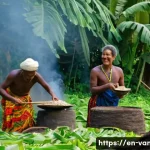
Hey fellow food explorers! Ever dreamt of a place where every meal feels like a warm, authentic embrace from nature itself? That’s exactly the magic I discovered when I plunged into Vanuatu’s incredible food culture.

Forget overly complicated dishes; here, it’s all about celebrating vibrant ingredients, straight from fertile volcanic soils and crystal-clear waters.
From the comforting, smoky depths of a traditional Laplap, slow-cooked underground, to the freshest seafood kissed by the ocean breeze, every bite tells a unique story of tradition and community.
I truly believe that to understand a place, you have to taste it, and Vanuatu’s cuisine offers a deliciously authentic journey you won’t soon forget. Ready to uncover the culinary secrets that make this Pacific paradise so uniquely delicious?
Let’s dive in and explore the true flavors of Vanuatu!
Unearthing the Earth Oven’s Secrets: The Magic of Laplap
The Ancestral Art of Underground Cooking
Stepping into Vanuatu’s culinary world, I quickly learned that some of the most profound flavors come from the simplest, most ancient techniques. And nothing exemplifies this more than Laplap, the national dish. Imagine a dish so deeply rooted in tradition, it’s cooked entirely underground! The preparation itself is an event, a communal effort where local root vegetables like taro, yam, or cassava are grated and mixed with coconut milk, sometimes wrapped in banana leaves with a protein like fish or chicken. This bundle is then placed onto hot stones in an ‘earth oven’ called a “lovo” or “hangi,” covered with more leaves and earth, and left to slow-cook for hours. The anticipation as you wait is part of the experience, a true testament to patience and respect for the ingredients. The smoky aroma that begins to waft through the air as it nears completion is absolutely intoxicating. This isn’t just cooking; it’s a connection to generations of islanders who have used the earth’s heat to create sustenance and gather their communities. It truly made me appreciate the slow food movement in a whole new light.
My First Taste: A Revelation of Flavors
When I finally got to unwrap my first piece of Laplap, I was totally blown away. Honestly, I didn’t quite know what to expect, but the texture was incredibly soft, almost custardy, and the flavors were so subtle yet rich. The earthiness from the root vegetables blended perfectly with the creamy coconut milk, creating a comforting, savory warmth that felt like a hug from the inside. Each bite told a story of the volcanic soil it grew from and the hands that prepared it. Depending on the protein, whether it was tender chicken or flakey fish, it added another layer of depth. I especially loved the subtle smoky undertone that permeated every morsel, a signature of the traditional cooking method. It wasn’t overly spiced or complicated; it was just pure, honest flavor, allowing the natural goodness of the ingredients to shine through. I’ve tried many dishes around the world, but Laplap truly stands out as one of the most uniquely authentic and soul-satisfying meals I’ve ever had. It’s a must-try for any adventurous palate.
Ocean’s Bounty on Your Plate: Fresh Seafood Delights
From Reef to Table: The Day’s Catch
One of the absolute highlights of eating in Vanuatu is undoubtedly the seafood. With pristine waters surrounding the islands, you can bet that “fresh” isn’t just a buzzword here; it’s a way of life. Every morning, local fishermen head out, and within hours, their catch is gracing the menus of restaurants and the stalls of bustling markets. I remember walking through the Port Vila market early one day and seeing an incredible array of fish, still glistening from the ocean, alongside vibrant crabs and huge prawns. The sheer variety was astounding, from snapper and tuna to less common reef fish I’d never encountered before. It’s often prepared simply, grilled or pan-fried with a squeeze of lime and maybe a touch of local herbs, allowing the natural sweetness and delicate textures of the seafood to be the star. This minimalist approach truly highlights the quality of the ingredients, and you can taste the difference that truly fresh, wild-caught seafood makes. It’s a reminder that sometimes, the best flavors are those that haven’t been fussed with too much.
Coconut Crab and Beyond: Island Specialties
While all the fresh fish is incredible, Vanuatu also offers some truly unique seafood experiences. The famous coconut crab, for instance, is a delicacy you absolutely have to try if you get the chance. These magnificent creatures, the largest land crabs in the world, have a distinct flavor profile, often described as a mix between crab and lobster, with a hint of coconut from their diet. It’s usually served simply steamed or grilled, letting its rich, sweet meat speak for itself. Beyond the coconut crab, I found myself indulging in massive tiger prawns, often caught just hours before, and succulent local lobsters. The beauty of dining here is that you often interact directly with the people who caught or prepared your meal, adding an incredibly personal touch to the experience. Whether you’re enjoying a casual meal by the beach or a more formal dinner, the commitment to fresh, sustainable seafood is palpable. It’s a true feast for the senses and a testament to the abundant natural resources of these beautiful islands.
Beyond the Main Course: Savoring Local Fruits and Snacks
A Rainbow of Tropical Treasures
My culinary journey in Vanuatu wasn’t just about hearty main dishes; it was also a vibrant exploration of its tropical fruits and delightful snacks. The islands are an absolute paradise for fruit lovers! I was mesmerized by the sheer variety and intensity of flavors. Imagine biting into a mango so sweet and juicy it practically melts in your mouth, or a pineapple so perfectly ripe it has none of that usual acidity. Beyond the familiar, I discovered exotic gems like local rambutans, passionfruit with an incredible tang, and tiny, sweet bananas unlike any I’d ever tasted back home. The markets are overflowing with these colorful treasures, and buying a handful of whatever looks good is an essential part of the experience. It’s not just about healthy eating; it’s about connecting with the land and tasting the pure, unadulterated sweetness that only tropical sunshine can create. Each fruit felt like a little burst of sunshine, and I often found myself just grabbing a few for a quick, refreshing snack throughout the day.
Street Food Gems and Market Finds
While fancy restaurants have their place, some of my most memorable eating experiences came from the informal street food stalls and market vendors. These are the places where you truly get a taste of local life and authentic flavors. I discovered delicious deep-fried sweet potato chips, often seasoned simply with salt, which were perfectly crispy and satisfying. Another favorite was “kumala” (sweet potato) or “manioc” (cassava) fritters, often slightly sweet and a fantastic energy booster. You’ll also find vendors selling freshly baked breads, often made in traditional wood-fired ovens, perfect for a quick bite. These humble offerings are not only incredibly tasty but also super affordable, making them perfect for travelers on a budget or anyone wanting to truly immerse themselves in the local culinary scene. I loved how easy it was to just pick up a snack, chat with the vendor, and continue exploring. It’s these small, authentic moments that truly make a trip special and give you a genuine feel for the everyday life and flavors of Vanuatu.
Kava Culture: A Taste of Tradition and Community
Understanding the Nakmal: More Than Just a Drink
You can’t talk about Vanuatu’s food and drink culture without diving into kava. This isn’t your average social drink; it’s a cornerstone of Ni-Vanuatu society, culture, and relaxation. Kava is a traditional beverage made from the root of the kava plant, Piper methysticum, and it’s consumed in dedicated kava bars, known as ‘nakamals’. These are usually simple, open-air structures, often dimly lit, designed to foster a sense of calm and community. I learned quickly that a nakamal isn’t just about drinking; it’s about slowing down, connecting with others, and respecting a centuries-old tradition. The preparation involves grinding or pounding the kava root and mixing it with water, then straining it. The resulting drink has an earthy, slightly peppery taste, and its effects are primarily relaxing, inducing a mild numbness around the mouth and a sense of peaceful tranquility. It’s an experience that truly transports you to a different pace of life, one centered on reflection and quiet camaraderie. It made me realize how important these shared rituals are in fostering community spirit.
My Kava Experience: A Journey into Relaxation
My first kava experience was fascinating, to say the least. I went to a local nakamal with some new friends, and the atmosphere was incredibly welcoming and serene. The kava is typically served in a small coconut shell cup called a “half.” You drink it relatively quickly, often in one go, to get the full effect. The taste is definitely unique – earthy, a little bitter, with a distinct peppery aftertaste. Almost immediately, I felt a mild tingling sensation around my lips and tongue, followed by a gentle wave of relaxation washing over me. It’s not intoxicating in the way alcohol is; instead, it’s a calming, almost meditative state. Conversations become more mellow, and worries seem to drift away. We sat there for a good hour or so, just chatting quietly, listening to the sounds of the evening, and enjoying the peaceful vibe. It was an incredible way to unwind after a day of exploring and truly felt like an authentic glimpse into Ni-Vanuatu life. If you’re looking for a unique cultural immersion, trying kava at a local nakamal is an absolute must-do.
Market Vibes and Local Grinds: Where to Find the Best Bites
Port Vila’s Bustling Market Scene
When it comes to finding the freshest ingredients and experiencing the heart of Vanuatu’s food culture, the local markets are your undisputed champions. The Port Vila Municipal Market, in particular, is an explosion of sights, sounds, and smells that you simply can’t miss. I remember arriving early one morning and being immediately swept up in the vibrant energy. Women in colorful island dresses proudly displayed their produce – mountains of vibrant fruits like mangoes and pineapples, alongside an incredible array of root vegetables, leafy greens, and exotic spices. The seafood section, just a short walk away, offered the day’s catch, glistening and fresh from the ocean. It’s not just a place to buy food; it’s a social hub, a place where locals gather, chat, and share news. I loved trying samples of local delicacies and chatting with the friendly vendors, many of whom were eager to share tips on how to best prepare their goods. It’s a true feast for the senses and a fantastic opportunity to immerse yourself in the daily rhythms of island life.
Hidden Eateries and Must-Try Cafes
Beyond the markets, Vanuatu offers a delightful array of hidden eateries and charming cafes that serve up both traditional Ni-Vanuatu dishes and international flavors. While some of the best food comes from humble, unassuming stalls, there are also some fantastic spots that blend local ingredients with a more refined touch. I discovered a charming little cafe tucked away from the main road that served the most incredible fresh fruit smoothies and savory pastries made with local root vegetables. It was a perfect spot for a relaxed breakfast. For dinner, I sought out a place known for its traditional preparations, where I got to try more varieties of Laplap and other hearty stews. Don’t be afraid to ask locals for their recommendations – they often know the best spots for authentic, delicious food that might not be in the guidebooks. From casual beachside shacks grilling the day’s catch to cozy cafes offering a taste of local life, exploring Vanuatu’s dining scene is an adventure in itself, full of delightful surprises around every corner.
| Dish Name | Main Ingredients | Description |
|---|---|---|
| Laplap | Taro, Yam, Cassava, Coconut Milk, Protein (fish/chicken) | Vanuatu’s national dish, slow-cooked underground in an earth oven; a comforting, earthy, and savory pudding. |
| Tuluk | Grated taro/yam, pork/beef, coconut milk | Similar to Laplap but often smaller, steamed, and typically contains seasoned meat. |
| Simboro | Grated root crops, coconut milk, greens, sometimes fish | A hearty soup or stew, often featuring local leafy greens and sometimes fresh fish. |
| Fresh Coconut Crab | Coconut crab | A prized delicacy, often steamed or grilled, known for its sweet, rich meat with a hint of coconut flavor. |
| Green Papaya Salad | Unripe papaya, lime, chili, local herbs | A refreshing and tangy salad, sometimes with grilled seafood, offering a zesty contrast to richer dishes. |
Sweet Endings and Tropical Sips: Desserts and Drinks
Island-Inspired Sweets and Treats

After indulging in Vanuatu’s savory delights, my sweet tooth was pleasantly surprised by the array of island-inspired desserts. While not always as elaborate as Western pastries, they are absolutely bursting with natural, tropical flavors. I particularly loved any dessert that incorporated fresh coconut – whether it was a simple coconut cake, often moist and fragrant, or a chilled sago pudding made with coconut milk and sweetened with local fruits. Another favorite was banana fritters, sometimes drizzled with a touch of local honey or palm syrup, which were perfectly crispy on the outside and wonderfully soft within. The beauty of these sweets lies in their simplicity, allowing the natural sweetness of the fruits and the richness of the coconut to truly shine. They’re the perfect refreshing end to a hearty meal, light enough not to feel heavy but satisfying enough to hit that sweet spot. Plus, knowing that these treats are made with ingredients straight from the island makes them taste even better.
Refreshing Beverages to Beat the Heat
When the tropical sun is shining bright, Vanuatu offers an amazing selection of refreshing beverages to keep you cool and hydrated. Beyond the cultural experience of kava, fresh fruit juices are an absolute staple. I regularly treated myself to freshly squeezed pineapple, passionfruit, or mango juice – they taste entirely different from anything you’d find in a carton back home, so vibrant and full of pure fruit goodness. And, of course, there’s nothing quite like cracking open a fresh, green coconut and sipping on its cool, electrolyte-rich water straight from the source. It’s the ultimate natural thirst quencher! Many local eateries also offer delicious smoothies made with a blend of local fruits and coconut milk, which are practically a meal in themselves. Whether you’re lounging on a beach, exploring a market, or enjoying a meal, you’ll find no shortage of delicious and natural ways to quench your thirst and savor the pure flavors of this tropical paradise. Each sip felt like a mini-vacation in a glass!
Bringing Vanuatu Flavors Home: Culinary Souvenirs
Spices, Sauces, and Local Goodies
My culinary journey through Vanuatu was so inspiring that I couldn’t resist bringing a piece of it back home with me! The markets and local shops are fantastic places to pick up some edible souvenirs that will let you recreate a touch of island magic in your own kitchen. I highly recommend looking out for locally produced vanilla beans, which are incredibly fragrant and much more potent than many commercial varieties. Local honey, often wild-harvested, also makes a wonderful gift or personal treat, with unique floral notes. If you’re into a bit of heat, keep an eye out for small bottles of homemade chili sauces, made with fiery local peppers that pack a serious punch. I also managed to find some beautifully packaged ground spices, perfect for adding an authentic twist to my cooking. These aren’t just mere souvenirs; they’re tangible memories of the incredible flavors and aromas I experienced, and a great way to support local producers directly. It’s a little piece of Vanuatu that keeps on giving, long after you’ve returned home.
Recreating the Magic in Your Own Kitchen
Beyond the specific ingredients, I feel like I brought home something even more valuable from Vanuatu: a renewed appreciation for simple, fresh, and wholesome food. The experience taught me that sometimes, the most extraordinary flavors come from respecting your ingredients and allowing their natural goodness to shine. While I can’t exactly set up an earth oven in my backyard, I’ve found ways to infuse that “Vanuatu vibe” into my everyday cooking. Think lots of fresh seafood, generous use of coconut milk, and embracing tropical fruits in unexpected ways. I’ve also been experimenting with slow-cooking techniques to replicate that tender, comforting texture I loved in the Laplap. Sharing my stories and these newfound culinary insights with friends has been fantastic, inspiring them to explore new flavors too. It’s more than just cooking; it’s about carrying forward the spirit of a place where food is intimately connected to community, tradition, and the incredible bounty of nature. It truly changed the way I think about my own kitchen adventures!
Wrapping Up My Culinary Journey
As I reflect on my incredible journey through Vanuatu, my taste buds still tingle with the memory of its unique flavors. This island nation truly offers a culinary adventure unlike any other, blending ancient traditions with the freshest bounty from land and sea. Every meal felt like a story, a connection to the vibrant culture and warm-hearted people. It’s an experience that goes far beyond just eating; it’s about understanding a way of life, savoring every moment, and creating memories that will last a lifetime. I truly hope my adventures inspire you to explore the delicious depths of Vanuatu’s cuisine yourself!
Handy Tips for Your Vanuatu Food Adventure
1. Dive into the local markets! Seriously, don’t miss out on the Port Vila Municipal Market or any smaller village markets you encounter. They are a feast for the senses and the best place to find the freshest fruits, vegetables, and daily catch. It’s also where you’ll truly feel the pulse of local life and often discover unique snacks or ingredients you won’t see elsewhere. Plus, buying directly from vendors supports the local economy and often comes with a friendly chat or a new recommendation. It’s an experience that really opens your eyes to the island’s abundance.
2. Embrace Kava culture with an open mind. If you’re curious about Vanuatu’s traditional beverage, visiting a nakamal is an absolute must-do. Just remember, it’s not about getting intoxicated like alcohol; it’s a social ritual for relaxation and community. The taste is earthy, which might take a moment to get used to, but the tranquil, calming effect is truly unique and offers a profound insight into Ni-Vanuatu customs. Go with a local or someone who understands the etiquette, and prepare for a wonderfully peaceful evening of quiet conversation and reflection.
3. Don’t be afraid to ask locals for recommendations. Seriously, the best food experiences often come from word-of-mouth. Whether you’re looking for the best Laplap, a hidden gem for fresh seafood, or the sweetest mangoes, local insights are invaluable. The people of Vanuatu are incredibly friendly and proud of their cuisine, and they’ll be delighted to point you towards their favorite spots. I found some of my most memorable meals by simply asking a hotel staff member, a taxi driver, or a market vendor where they loved to eat.
4. Prioritize fresh, seasonal, and simple ingredients. Vanuatu’s strength lies in the incredible freshness and natural quality of its produce and seafood. You’ll find that many dishes are prepared simply, allowing the inherent flavors of the ingredients to shine. Don’t expect overly complex sauces or elaborate presentations. Instead, savor the pure taste of just-caught fish grilled to perfection, the sweet creaminess of local root crops, or the explosive juiciness of a tropical fruit picked hours ago. It’s a testament to the fact that sometimes, less is truly more when the ingredients are this good.
5. Pack some stomach-friendly essentials. While Vanuatu’s food is generally wholesome and delicious, exploring new cuisines can sometimes be an adventure for your digestive system. It’s always a good idea to carry some mild antacids or probiotics, just in case. Also, stay hydrated with bottled water or fresh coconut water, and wash your hands frequently. Being prepared ensures you can fully enjoy every culinary delight without any unwelcome interruptions, allowing you to focus purely on the wonderful flavors and experiences.
Key Takeaways
My journey through Vanuatu’s culinary landscape taught me that food here is more than just sustenance; it’s a vibrant tapestry woven with tradition, community, and the incredible bounty of nature. From the ancient art of underground cooking with Laplap, which connects generations through shared flavors, to the pristine, ocean-fresh seafood that highlights the island’s abundant resources, every bite tells a story. The bustling markets are not just places to shop but social hubs brimming with life, offering a chance to taste exotic fruits and mingle with friendly locals. And let’s not forget the serene ritual of kava, providing a unique cultural insight and a truly tranquil experience that grounds you in the island’s peaceful rhythm. This is a place where every meal feels like an authentic experience, deeply rooted in its environment and celebrated with genuine warmth. It truly transformed my understanding of what ‘eating locally’ can mean.
Frequently Asked Questions (FAQ) 📖
Q: Beyond the famous Laplap, what are some other absolute must-try traditional dishes I should seek out in Vanuatu?
A: Oh, you’re in for such a treat! While Laplap is definitely the national hero, Vanuatu’s culinary heart beats with so many other incredible flavors. From my own adventures tasting my way across the islands, I quickly fell in love with Simboro.
It’s this wonderfully comforting dish where grated root vegetables like taro or manioc (cassava) are rolled up in local cabbage or banana leaves, and then gently simmered in rich coconut cream.
It’s simple, yes, but the way the flavors meld together is just divine and so nourishing. You’ll often find it at local market food stalls. Then there’s Tuluk, especially popular on Espiritu Santo.
Imagine grated manioc dough wrapped around a savory, spiced meat filling (often beef or pork), all steamed to perfection in a banana leaf. It’s like a hearty, flavorful parcel – perfect for a quick and satisfying bite!
And if you’re a seafood lover like me, you absolutely cannot miss the fresh catch. Think grilled snapper or tuna, often simply prepared with a squeeze of lime and a dash of coconut milk.
My taste buds still remember the incredible “poulet fish” I had, a local snapper known for its delicate, firm white flesh. Trust me, the sheer freshness makes every bite an experience you’ll crave long after you’ve left.
Q: Where’s the best place to truly experience authentic local Vanuatu cuisine and avoid the typical tourist traps?
A: This is where the real magic happens, my friend! To truly get into the heart of Vanuatu’s food scene, you have to hit the local markets. The Port Vila Municipal Market is an absolute vibrant hub where you’ll find ‘Mama’s kitchens’ – women from surrounding villages who come to sell their incredible home-cooked meals.
You can wander through stalls overflowing with exotic fruits, colorful vegetables, and then settle down at a communal table for a plate of something truly special, usually for just a few hundred Vatu.
It’s bustling, it’s authentic, and the flavors are simply unforgettable. Beyond the markets, keep an eye out for small, local eateries, often called ‘kai-kais.’ These aren’t always fancy, but that’s precisely where you’ll find the most genuine flavors and often get to chat with the lovely locals.
If you have the chance, embarking on a village tour often includes a traditional earth oven cooking demonstration, like for Laplap, which is an incredible cultural and culinary immersion.
It’s a chance to see food prepared just as it has been for generations.
Q: As a traveler, how can I ensure the food in Vanuatu is safe and suitable for different dietary preferences, especially if I have concerns about hygiene or am looking for vegetarian options?
A: I totally get this concern! When you’re exploring a new place, food safety is always on your mind. Here’s what I’ve learned from my own travels in Vanuatu: Generally, food in major towns like Port Vila is quite safe, and the focus on incredibly fresh, local ingredients helps a lot.
For drinking water, while tap water in Port Vila and Luganville is often treated and locals drink it, I personally recommend sticking to bottled water or well-boiled water, especially outside of these main areas, just to be on the safe side.
When choosing where to eat, my go-to rule is to observe which local spots are busy – a bustling market stall or eatery usually means fresh food and good turnover.
For dietary preferences, Vanuatu’s cuisine is naturally rich in root vegetables like taro, yam, and kumala (sweet potato), as well as an abundance of fresh fruits like papaya, pineapple, and mango.
Being vegetarian or vegan is definitely doable, though it might require a little more communication. At market food stalls, you can often ask for a “vegetarian option,” and they’ll happily prepare a plate of steamed vegetables with rice and perhaps a light coconut milk-based sauce.
Many traditional dishes, including Laplap, can be made without meat, relying purely on the delicious root vegetables and coconut cream. Don’t be shy to ask; the friendly Ni-Vanuatu people are usually very accommodating!