Hey there, fellow travelers and nature enthusiasts! You know, every time I picture Vanuatu, my mind immediately conjures up images of pristine beaches and crystal-clear waters.
But let me tell you, this South Pacific gem offers so much more than just stunning scenery; it’s a vibrant tapestry of unique wildlife that truly captured my heart.
I was genuinely amazed by the incredible creatures calling these islands home, from the colorful feathered friends soaring above the lush canopies to the fascinating reptiles with their own island stories, not to mention the gentle giants beneath the waves.
It’s like a living, breathing natural wonderland just waiting to be explored. Ready to uncover the surprising biodiversity that makes Vanuatu truly unforgettable?
Let’s dive right in and discover these amazing animals together!
Discovering Vanuatu’s Winged Wonders
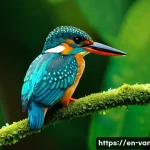
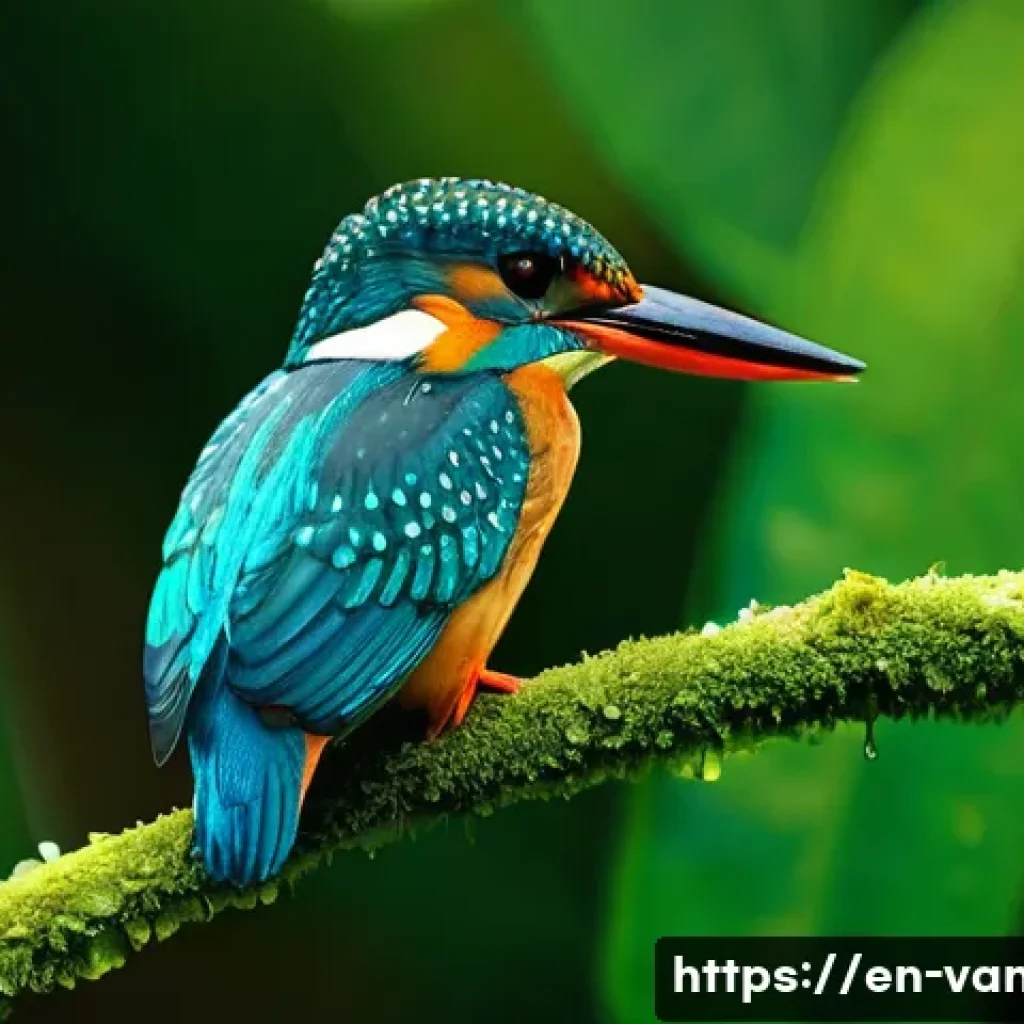
Stepping onto these islands, I quickly realized that Vanuatu isn’t just about what’s in the water; the air is alive with a vibrant chorus of feathered marvels. I’ve always had a soft spot for birdwatching, and this place truly blew me away with its unique avian residents. You see, due to its isolation, Vanuatu has become a haven for several endemic bird species, creatures you simply won’t spot anywhere else on Earth. It felt like every rustle in the canopy held a new discovery, a vibrant flash of color, or an unfamiliar, enchanting song. I remember one morning, trekking through a particularly dense patch of forest on Espiritu Santo, the largest island, when I finally caught a glimpse of the Vanuatu Kingfisher. Its rich, almost glowing blue back and brilliant orange underparts were absolutely breathtaking against the emerald green foliage. It was such a privilege to witness, a moment that truly underscored the irreplaceable biodiversity of these islands.
The Elusive Ground Dwellers
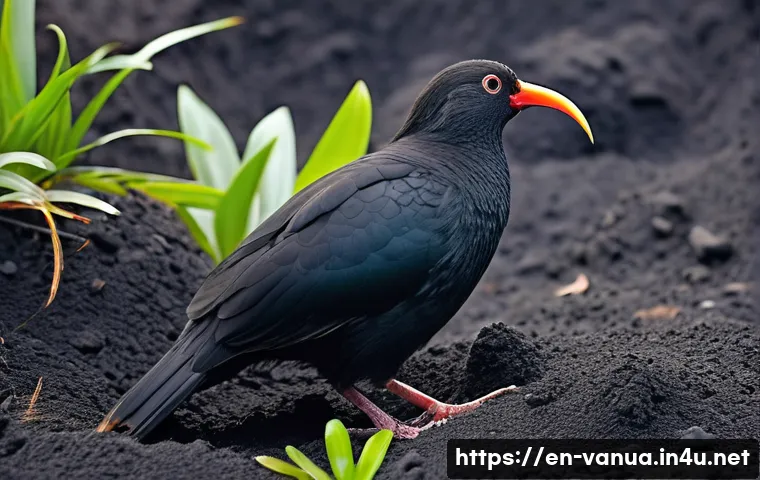
Among the most fascinating birds I encountered, and certainly one that required a bit of patience and a keen eye, was the Vanuatu Megapode, also known as the Vanuatu Scrubfowl. These ground-dwelling birds are genuinely remarkable. Unlike most birds, they don’t sit on their eggs to incubate them. Instead, they cleverly use the natural geothermal heat of the islands, burying their eggs in warm volcanic sand or mounds of decaying vegetation. Witnessing their nesting sites, even from a respectful distance, gave me such a profound appreciation for how life adapts to its environment here. It’s a prime example of the ingenious ways nature finds to thrive in these tropical settings. Their reliance on these specific geothermal conditions makes their habitats incredibly precious and highlights the importance of preserving these unique island ecosystems.
A Symphony of Feathered Friends
Beyond the Megapode, the skies and trees teem with other extraordinary birds. The Tanna Fruit-dove, with its subtle yet beautiful plumage, and the Vanuatu Honeyeater, constantly flitting among the blossoms, were a joy to observe. I spent hours just listening to their calls, trying to identify each species. The Vanuatu White-eye, a small passerine bird, is surprisingly common despite being endemic, and its bright yellow-fronted face is absolutely adorable. And then there’s the Buff-bellied Monarch, a delightful little bird with a distinctive charm. Each of these species, in its own way, paints a vivid picture of Vanuatu’s avian diversity. Protecting their habitats, from lowland forests to mountain cloud forests, is crucial for their survival, and honestly, for the sheer joy they bring to anyone lucky enough to encounter them.
Unveiling the Ocean’s Hidden Gems
Oh, the underwater world of Vanuatu! If you’ve ever dreamed of swimming in an aquarium, this is it, multiplied by a thousand. I’ve been fortunate enough to dive in many places around the globe, but the sheer vibrancy and life teeming in Vanuatu’s coral reefs left me absolutely speechless. It’s not just the clarity of the water, which is astounding, but the explosion of color from the corals and the incredible diversity of marine animals. I remember one snorkeling trip near Efate, where I felt like I was floating through a living, breathing painting. Every turn revealed something new – a clownfish peeking shyly from an anemone, a graceful sea turtle gliding past, or a whole school of iridescent fish flashing in unison. It’s an experience that truly connects you to the raw, untamed beauty of nature.
A Kaleidoscope Beneath the Waves
The coral reefs here are truly the architects of this underwater paradise. Composed of hundreds to thousands of tiny organisms called polyps, these living animals create the intricate structures that house an astonishing array of marine life. During a dive off Espiritu Santo, which many consider the premier diving destination here, I was just mesmerized by the sheer variety of hard corals, from massive brain corals to delicate branching forms. The reefs around Santo are particularly renowned for their health and diversity, supporting over 500 fish species. It’s a testament to the ongoing conservation efforts and the resilience of these ecosystems, even in the face of natural challenges like cyclones. I felt so lucky to witness such thriving marine ecosystems, and it really brought home how important it is for us to protect these fragile underwater cities.
Gentle Giants of the Deep
Beyond the corals and colorful reef fish, Vanuatu’s waters are also home to some truly majestic creatures. One of my absolute favorite encounters was spotting a dugong, often referred to locally as a “kowfis” in Bislama. These gentle, herbivorous marine mammals are often seen grazing on seagrass meadows in bays like Mele Bay or Havannah Harbour. They can grow up to three meters in length and weigh as much as 400 kg, yet they move with such serene grace through the water. While swimming with them in the wild is rare, just observing them from a distance felt like a spiritual experience. And let’s not forget the sea turtles! Vanuatu is a critical nesting and feeding ground for several species, including Hawksbill and Green Sea Turtles, which you can often spot gliding through the clear waters or even around eco-resorts that actively participate in their protection.
Encounters with Island’s Ancient Inhabitants
While the birds soared above and marine life thrived below, the terrestrial environment of Vanuatu offered its own cast of fascinating characters, especially when it came to reptiles. You know, sometimes people focus so much on the “big” animals that they miss the intricate world scurrying right at their feet or camouflaged in the branches. I certainly found myself slowing down, paying closer attention to every rustle in the leaves and every sun-drenched rock, and I was so glad I did. The reptile community here is incredibly diverse, showcasing how life adapts uniquely to different island habitats—from coastal scrub to lush forests. Many of these species are specific to certain islands, which makes each discovery feel like a little victory.
Skittering Through the Undergrowth
Vanuatu is practically crawling with various skinks and geckos, each with its own charm. I remember seeing the Vanuatu Snake-eyed Skink, darting across a path with incredible speed, its sleek body a blur of movement. Then there are the geckos—from the ubiquitous Mourning Gecko, often heard chirping away in the evenings, to the more elusive Vanuatu Forest Gecko. What really struck me was how well adapted they are to their specific micro-habitats. The Stump-toed Gecko, for instance, has incredibly delicate skin, while others boast vibrant patterns. And if you’re lucky, you might even spot the Mangrove Monitor, Vanuatu’s largest native land reptile, casually making its way through the underbrush, a true relic of ancient times. It’s a reminder that even the smallest creatures have an important role to play in the grand tapestry of an ecosystem.
The Mythical Lizard of Lore
Perhaps one of the most striking reptiles I encountered, and certainly one that holds a special place in my memory, is the Vanuatu Banded Iguana. This isn’t just any iguana; it’s considered by some as the national animal of Vanuatu and is an endangered species. Its vibrant green scales, often adorned with distinctive banding, make it a truly stunning sight. I had read about their unique third eye, a light-sensing organ on top of their heads, which I thought was just the coolest thing ever. While I didn’t get to see one up close, the thought of these long-lived reptiles, some living up to 20 years, thriving in the humid island climate, filled me with a sense of wonder. Their presence here tells a story of ancient connections and unique evolutionary paths, and seeing any of these rare reptiles, even from a distance, felt like a glimpse into a living natural history book.
The Astonishing Giants of the Land
Okay, let’s talk about something truly legendary, a creature that embodies the sheer ‘wow’ factor of Vanuatu’s wildlife: the Coconut Crab. Before I came here, I’d seen pictures, but honestly, nothing prepares you for seeing these colossal crustaceans in person. They are, without a doubt, the largest terrestrial arthropods on Earth, and seeing one in its natural habitat is an experience I’ll never forget. I was on one of the outer islands, just after dusk, and there it was—a crab the size of a small dog, slowly making its way across the forest floor. My jaw literally dropped. These aren’t just big crabs; they are powerful, intelligent, and frankly, a little intimidating with their massive claws. It was a moment where I truly felt the raw, wild essence of Vanuatu.
Claws of Incredible Power
What truly sets the Coconut Crab apart, besides its impressive size—some can grow up to a meter (3 feet) long and weigh over 4 kg (9 lbs)!—is its incredible strength. These crabs possess the strongest grip of any animal on the planet, capable of exerting a force equivalent to six tons if scaled to human size. They literally use these powerful pincers to rip apart whole coconuts, husking them and drilling into the germinating holes to get to the delicious, protein-rich flesh inside. It’s an arduous process that can take hours, but it’s a testament to their sheer determination and physical prowess. I even heard stories of them climbing palm trees up to 10 meters high to drop coconuts and crack them open! Observing the sheer power and ingenuity of these ‘robber crabs’—a nickname they earned from their habit of pilfering shiny objects from campsites—made me realize just how unique and formidable they are.
A Hermit Crab’s Grand Transformation
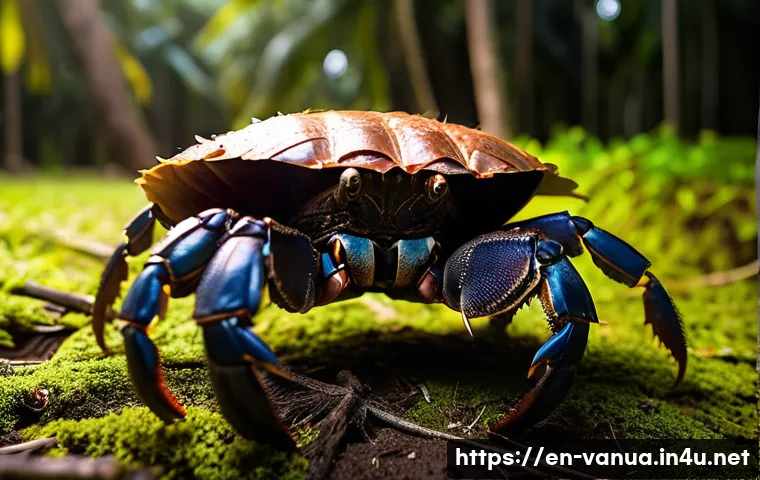
What’s even more fascinating is their life cycle. Believe it or not, these giants start their lives as tiny hermit crabs, complete with a shell on their backs. But after about a year, they undergo a remarkable transformation, shedding their shells and developing a tough, hardened exoskeleton over their abdomens. This recalcification process essentially turns them into the Iron Man of the crab world! While they can’t swim as adults and would actually drown if submerged for too long, their acute sense of smell helps them locate food sources across the islands. Vanuatu is one of the last places where you can still find these magnificent creatures in relative abundance, largely because many areas remain undisturbed by human populations. Their vulnerability to overhunting, however, means that seeing them thrive here is a precious thing, emphasizing the need for continued conservation efforts.
Vanuatu’s Batty Brigade: Guardians of the Night
When the sun dips below the horizon in Vanuatu, a whole new world awakens, and among its most fascinating nocturnal residents are the flying foxes. These aren’t your typical small bats; they are large, often majestic creatures with impressive wingspans that gracefully navigate the twilight skies. I’ve always been captivated by bats, and the species found here, particularly the endemic ones, truly showcased their vital role in the ecosystem. I remember sitting on a veranda one evening, watching dozens of them take flight from their roosts, silhouetted against the fading light. It was an almost ethereal sight, a living testament to the wildness of these islands.
Crucial Pollinators of the Archipelago
Vanuatu is home to several species of flying foxes, including the Vanuatu Flying Fox (or white flying fox) and the Banks Flying Fox, both of which are endemic to this archipelago. These incredible creatures are primarily frugivores, meaning their diet consists mainly of fruits and flowers. This dietary habit makes them incredibly important, serving as crucial pollinators and seed dispersers for many of the island’s plants, including those that produce our food. They essentially act as the night shift gardeners of the forest, helping to regenerate vegetation, especially after natural disturbances like cyclones. Seeing them feasting on figs, bananas, or the nectar of coconut flowers, I realized just how interconnected everything is here. Without these ‘batty brigades,’ the lush landscapes and diverse flora of Vanuatu would look very different.
Facing the Shadows of Threat
Sadly, despite their ecological importance and unique status, Vanuatu’s flying foxes face significant threats. The Vanuatu flying fox, for instance, is classified as vulnerable on the IUCN Red List. Their habitats are increasingly under pressure from agriculture and development, with forests being cleared to make way for new gardens and other infrastructure. They are also hunted for food by local communities, especially in the aftermath of cyclones when other food sources might be scarce. This really hit me hard, understanding that these magnificent animals, so essential to the health of the islands, are struggling. It emphasizes the need for awareness and sustainable practices to protect them. Conservation efforts are focusing on identifying and protecting their roosting sites and educating communities about their value, so future generations can also witness these incredible guardians of the night.
| Species Name | Common Name | Unique Trait / Role | Conservation Status |
|---|---|---|---|
| Pteropus anetianus | Vanuatu Flying Fox | Endemic fruit bat, crucial pollinator | Vulnerable |
| Birgus latro | Coconut Crab | Largest terrestrial arthropod, powerful claws | Vulnerable |
| Todiramphus farquhari | Vanuatu Kingfisher | Endemic bird with vibrant plumage | Least Concern |
| Megapodius layardi | Vanuatu Megapode | Ground-dwelling bird, uses geothermal heat for incubation | Vulnerable |
| Dugong dugon | Dugong (Sea Cow) | Herbivorous marine mammal, grazes on seagrass | Vulnerable |
Wrapping Things Up
As I reflect on my journey through Vanuatu’s incredible natural world, it’s clear this archipelago is so much more than just a picturesque destination. It’s a living, breathing testament to biodiversity, a place where ancient creatures roam and unique ecosystems thrive. Every encounter, from the vibrant flash of an endemic kingfisher to the awe-inspiring sight of a giant coconut crab, left an indelible mark on my soul. This trip truly underscored for me the profound connection between the land, the sea, and the fascinating creatures that call these islands home. It’s an experience that not only fills you with wonder but also instills a deep sense of responsibility to protect such irreplaceable treasures for future generations.
Useful Information to Know for Your Vanuatu Wildlife Adventure
Planning your own expedition to witness Vanuatu’s amazing wildlife? Here are a few invaluable tips I picked up along the way that I truly believe will enhance your experience and help you make the most of every moment. Respecting the local environment and its inhabitants is paramount, not just for conservation but for a genuinely authentic encounter.
1. Embrace Local Guides: Many of Vanuatu’s most spectacular wildlife spots are either off the beaten path or require local knowledge to access responsibly. Engaging with local guides not only ensures your safety but also directly supports the communities who are often the frontline guardians of these natural habitats. They possess an incredible wealth of knowledge about animal behaviors, cultural significance, and the best times and places for sightings. Trust me, their insights are priceless and will open doors to experiences you’d never find on your own.
2. Pack for Adventure and Observation: Binoculars are an absolute must for birdwatching and spotting shy creatures in the canopy or from a distance. A good waterproof camera is essential for capturing those underwater wonders, and comfortable, sturdy walking shoes will be your best friend when exploring dense forests. Don’t forget reef-safe sunscreen and insect repellent – you’ll thank me later! Being prepared allows you to focus entirely on the beauty around you without distraction.
3. Timing is Everything: While Vanuatu is wonderful year-round, certain seasons can be better for specific wildlife encounters. The drier months (around April to October) generally offer clearer waters for diving and snorkeling, making marine life viewing exceptional. For some bird species, their breeding seasons might offer more active sightings. Always check with local operators or conservation groups for up-to-date information that can help you plan your visit to align with your specific wildlife interests.
4. Practice Responsible Wildlife Tourism: This might sound obvious, but it’s crucial. Maintain a respectful distance from all animals, never feed wild creatures, and absolutely never touch them. Your presence should be as unobtrusive as possible to avoid stressing animals or altering their natural behaviors. Remember, we are guests in their home. Choose eco-certified tour operators who prioritize animal welfare and sustainable practices, ensuring your adventure contributes positively to conservation efforts.
5. Support Conservation Efforts: Beyond choosing ethical tours, consider contributing to local conservation initiatives. Many organizations in Vanuatu are working tirelessly to protect endangered species, restore habitats, and educate communities. A small donation or even purchasing locally made eco-friendly products can make a tangible difference. It’s a fantastic way to give back to the islands that have given you such unforgettable memories and help secure the future for Vanuatu’s extraordinary wildlife.
Key Takeaways: Protecting Vanuatu’s Natural Legacy
Vanuatu’s wildlife is truly a marvel, a vibrant tapestry woven from unique endemic species, ancient ecosystems, and the incredible adaptations born from isolation. From the majestic Vanuatu Flying Fox, vital for pollinating the islands’ lush forests, to the astonishing Coconut Crab, the king of terrestrial arthropods, each creature plays a crucial role in maintaining the archipelago’s delicate ecological balance. The thriving coral reefs, teeming with a kaleidoscope of marine life, and the elusive reptiles hidden within the undergrowth further highlight the sheer biodiversity that makes Vanuatu so special. My personal encounters with these incredible animals cemented my belief that this is a destination demanding respect and protection. However, many of these species, like the vulnerable Vanuatu Megapode and the magnificent Dugong, face increasing threats from habitat loss and human activity. Preserving these wonders requires a collective effort, emphasizing sustainable tourism, community involvement, and continued conservation initiatives. By understanding and valuing Vanuatu’s natural heritage, we ensure that future generations can also experience the profound magic of its wild inhabitants, keeping their stories alive and their habitats safe for centuries to come.
Frequently Asked Questions (FAQ) 📖
Q: What kind of unique land animals can you actually spot when exploring Vanuatu’s lush interiors?
A: Oh, when I tell you that Vanuatu’s land animals are something else, I genuinely mean it! I’ve personally been so captivated by the sheer variety of life here.
When you venture beyond those pristine beaches and into the dense, green heart of the islands, the forests truly come alive in ways you might not expect.
I vividly remember being utterly fascinated by the Vanuatu Megapode, or scrubfowl. You know how most birds dutifully sit on their eggs to hatch them? Not these guys!
They’re like nature’s own geothermal incubators, burying their eggs in warm volcanic sand or even deep within decaying tree roots, letting the earth do all the hard work.
It’s truly bizarre and honestly, something I’d never encountered anywhere else in my travels. And let’s definitely not forget the Vanuatu Flying Foxes—these aren’t your typical tiny bats.
They’re impressive fruit bats, large and majestic, playing such a crucial role as pollinators and seed dispersers for the rainforests, almost like furry, winged gardeners.
Seeing them glide through the evening sky as the sun sets is just magical, a real “pinch me” moment you won’t soon forget. Of course, you’ll also find a dazzling array of colorful birds like the vibrant Vanuatu Kingfisher, with its striking plumage, flitting through the canopies.
It’s undeniably a birdwatcher’s paradise, but even if you’re not a keen birder, these unique creatures will absolutely steal your heart and leave you with some incredible stories to tell.
Q: Beyond the land, what incredible marine life can visitors expect to encounter in Vanuatu’s crystal-clear waters?
A: If you think the land is impressive, just wait until you dip your toes—or, better yet, dive right in!—into Vanuatu’s unbelievably clear waters! I’ve spent countless hours snorkeling and diving there, and honestly, every single time, it’s a new revelation.
The coral reefs are just bursting with color; it’s like swimming through a living, breathing kaleidoscope that shifts and sparkles with every ray of sunlight.
You’ll definitely spot countless tropical fish, from those instantly recognizable, playful clownfish darting among their anemones to the more majestic Napoleon wrasse, gliding effortlessly by.
But what really gets me, what truly makes my heart sing, are the gentle giants of the sea. I was incredibly lucky enough to see a dugong, which locals affectionately call a ‘Kowfis,’ gracefully grazing on seagrass.
It was such a peaceful, almost spiritual encounter that left me breathless. And the sea turtles—Green, Hawksbill, Leatherback—they’re just everywhere, silently navigating their ancient paths through the ocean.
It’s an underwater ballet that feels incredibly special and something you absolutely have to experience. Seriously, if you have even a tiny love for marine life, Vanuatu’s reefs will absolutely blow your mind.
You’ll be talking about these underwater wonders for years, just like I do!
Q: Are there any unique reptiles, and how does Vanuatu work to protect its special biodiversity?
A: You bet there are! While Vanuatu might not be home to big, scary predators, its reptile scene is surprisingly diverse and really, really cool. The iguana, for instance, is actually Vanuatu’s national animal, and while I haven’t personally seen the endemic Vanuatu species up close in the wild, I’ve heard they’re quite elusive and absolutely stunning.
You’ll definitely encounter various geckos and skinks, each with their own unique island adaptations and behaviors. I always made it a game to try and spot the endemic Vanuatu geckos—they might be tiny, but they’re fascinating little creatures!
What I truly appreciate, though, and what makes Vanuatu so special in my book, is its genuine commitment to preserving this incredible natural heritage.
They might not have the sheer volume of species compared to some of their larger neighbors, but what they do have is unique and utterly precious. It’s not just big organizations; local communities and grassroots initiatives work tirelessly to protect crucial habitats, especially for vulnerable species like those incredible sea turtles and the peaceful dugongs.
Places like “The Reef Vanuatu Zoological” sanctuary are doing amazing, hands-on work, not only breeding endangered reptiles and turtles but also educating visitors.
It’s a collective effort, from local villagers practicing sustainable fishing to broader conservation programs, and it really makes you feel good about visiting a place that values and safeguards its natural treasures so deeply.
It’s incredibly inspiring to see how they blend traditional knowledge with modern conservation strategies to ensure these unique creatures thrive for generations to come.