Vanuatu. Just the name itself conjures up images of pristine beaches and swaying palm trees, right? But let me tell you, this South Pacific paradise offers so much more than just stunning scenery.
I recently had the incredible chance to dive headfirst into some of Vanuatu’s most vibrant cultural festivals, and honestly, it was an experience that completely blew my expectations out of the water.
Forget your typical tourist traps; here, ancient traditions come alive with a raw, captivating energy you won’t find anywhere else. From gravity-defying rituals to mesmerizing dances and feasts that truly connect you with the local spirit, these celebrations are the heartbeat of the islands, offering a genuine glimpse into a world rich with history and community.
If you’re yearning for an adventure that goes beyond the surface and touches your soul, then Vanuatu’s festivals are an absolute must-see. Ready to discover the magic?
Let’s explore exactly what makes these festivals so unforgettable.
Beyond the Postcard: Unveiling Ancient Rhythms
When I first touched down in Vanuatu, I’ll admit I was expecting stunning beaches and relaxation – and yes, it delivered on that front with flying colors!
But what truly captivated my soul, what made this trip utterly unforgettable, was the vibrant, pulsating heart of its cultural festivals. I mean, seriously, you haven’t lived until you’ve experienced the raw energy that vibrates through these islands when a festival is in full swing.
It’s not just a show for tourists; it’s a profound, living tradition that has been passed down through countless generations. The air literally hums with excitement, a complex symphony of rhythmic drumming, chanting, and the joyous laughter of children.
It’s a sensory overload in the best possible way, a feeling that rushes over you and pulls you right into the moment. I found myself completely swept away, feeling like I had stumbled into a timeless world where ancient customs are not just remembered but actively, passionately lived.
It’s an immersion that few places on Earth can offer, a genuine connection to humanity’s deeper roots.
The Echoes of Tradition
From the moment I stepped into a local village during a preparatory gathering, I could feel the weight and beauty of their heritage. The elders, their faces etched with wisdom and stories, shared tales that brought their history to life, painting vivid pictures of ancestors and legendary feats.
It felt so incredibly authentic, a stark contrast to the often-manufactured cultural experiences you find elsewhere. The sounds alone were mesmerizing – the intricate drumming patterns, unique to each island and even specific villages, created a soundscape unlike anything I’d ever heard.
It wasn’t just noise; it was a language, a form of communication that transcended words, telling stories of triumphs, sorrows, and the unbreakable bond with their land.
Every beat, every chant, resonated with a power that spoke directly to my core, reminding me that some traditions are simply too precious to ever fade.
A Warm Welcome to Kastom
What struck me immediately was the overwhelming sense of “kastom” – the Bislama word for tradition and custom – that permeates every aspect of these celebrations.
It’s not just about wearing traditional dress or performing ancient dances; it’s a way of life, a philosophy that guides their community and their interactions with the world.
I was genuinely touched by the warmth and openness of the local people, who, despite my obvious outsider status, welcomed me with such genuine smiles and generosity.
They were eager to share their culture, to explain the significance behind each ritual, and to make me feel like a part of their extended family, even if just for a fleeting moment.
This wasn’t a curated performance; it was their everyday existence, amplified and celebrated, and it was an absolute privilege to witness and be a part of it.
Leap of Faith: The Nagol Land Dive Experience
I’d heard whispers of the Nagol, or Land Dive, on Pentecost Island, but nothing, absolutely nothing, could have prepared me for the sheer spectacle and heart-stopping intensity of witnessing it firsthand.
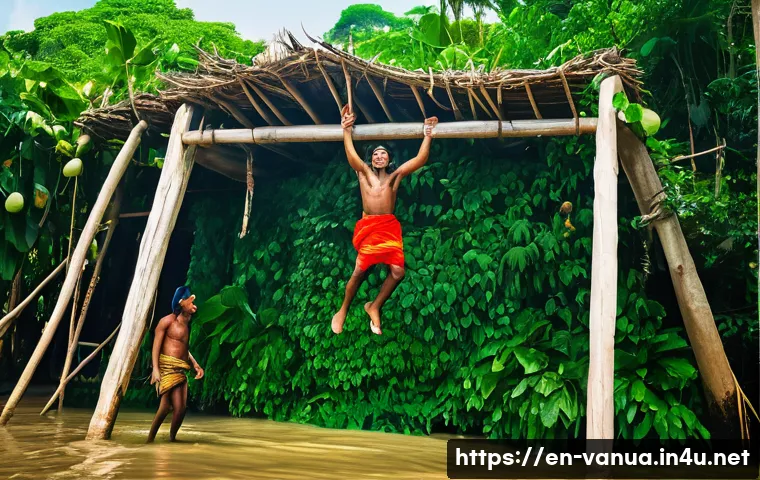
It’s not just a ritual; it’s an incredible test of bravery, a breathtaking leap of faith performed annually by men who dive from towering wooden structures with only vines tied to their ankles.
My heart was practically pounding out of my chest as I watched them ascend, each step a testament to their unwavering courage. The atmosphere was electric, a palpable mix of anticipation and reverence, as villagers gathered below, their collective breath held in unison.
When that first diver launched himself into the void, a collective gasp rippled through the crowd, quickly followed by triumphant shouts as he hit the ground with astonishing precision, the vines just brushing the earth.
It truly felt like stepping back in time, witnessing an ancient rite that defied modern logic and spoke to a deeper human spirit.
Witnessing Raw Courage
Let me tell you, seeing it on video is one thing, but standing there, feeling the ground tremble as a man freefalls from a dizzying height, is an entirely different experience.
My palms were sweaty, and I could feel a knot in my stomach with every dive. The physical feat itself is astounding, but it’s the mental fortitude, the pure guts it takes, that truly blew me away.
Each diver exuded a calm, almost serene confidence before taking the plunge, a testament to their belief and training. The crowd’s reaction was fascinating too; a respectful silence would descend before each dive, followed by an eruption of cheers and applause, a collective expression of pride and admiration for their community’s bravery.
It wasn’t just a spectacle; it was a shared emotional journey that bonded everyone present.
The Sacred Roots of the Dive
Beyond the adrenaline rush, the Nagol dive is deeply rooted in tradition and spirituality. It’s performed to ensure a bountiful yam harvest, a vital staple for the islanders, and is also seen as a coming-of-age ceremony for young men.
The towering wooden structures, intricately built from local materials, are dismantled after each season, emphasizing the cyclical nature of life and renewal.
I learned that the precise length of the vines is absolutely crucial, calculated to allow the diver’s hair to just brush the earth upon impact, symbolizing fertilization of the soil.
It’s a powerful reminder of the profound connection between the people, their land, and their spiritual beliefs, a truly humbling experience that offers a glimpse into a worldview where humanity and nature are inextricably linked.
Where Spirits Dance: The Magic of Kastom Village Life
During my time in Vanuatu, I was lucky enough to spend some days in a few different kastom villages, and it completely changed my perspective on community and tradition.
It’s one thing to observe a festival, but to live, even briefly, within the rhythm of village life during these celebratory periods is something else entirely.
Everything revolves around the collective, from preparing the feasts to rehearsing the dances, and everyone has a role to play. The children, wide-eyed and eager, watch their elders with rapt attention, absorbing the knowledge and movements that will one day be theirs to carry forward.
It’s a living classroom, a continuous passing down of culture where every action holds significance. I felt a deep sense of peace and belonging there, a feeling that’s often hard to find in our fast-paced modern world.
Living Lore: Stories and Songs
The evenings were particularly magical. As the sun dipped below the horizon, painting the sky in fiery hues, the village would gather, and the air would fill with stories and songs.
These weren’t just bedtime tales; they were the historical records, the moral compass, and the entertainment of the community. Elders would recount epic legends of creation, brave warriors, and mischievous spirits, their voices rich with the wisdom of generations.
The songs, often accompanied by simple yet powerful instruments made from bamboo or animal skin, were hauntingly beautiful, each melody telling its own story, weaving a tapestry of their past, present, and hopes for the future.
I was completely captivated, feeling like I was privy to secrets whispered across centuries, a connection to a lineage unbroken.
The Artisans of Tradition
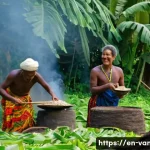
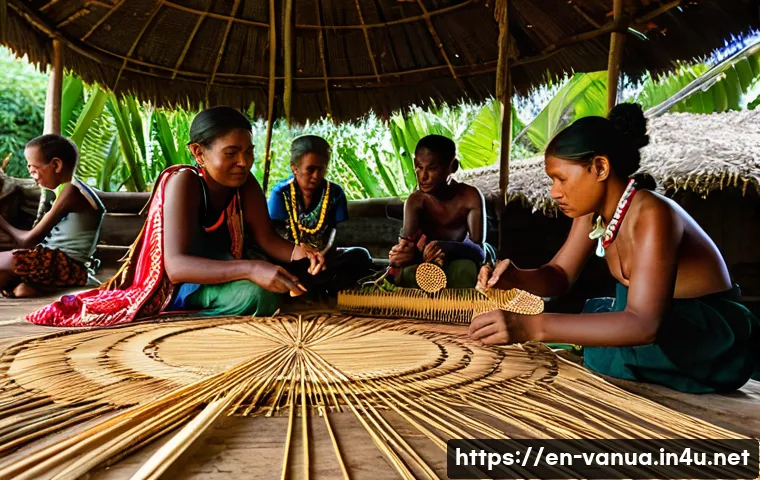
What also amazed me was the incredible craftsmanship that goes into every aspect of their festival attire and ceremonial objects. I watched women meticulously weaving intricate mats and adornments from local fibers, their fingers moving with practiced grace, each pattern imbued with meaning.
Men carved impressive wooden masks and figures, their tools simple but their skill profound. These weren’t just decorative items; they were living pieces of their culture, created with reverence and purpose.
Seeing the care and dedication poured into each piece made me realize that these festivals are not just fleeting events but culminations of ongoing creative efforts that sustain their unique identity.
It’s a beautiful testament to the enduring power of human artistry and cultural preservation.
Feasts for the Senses: A Taste of Ni-Vanuatu Hospitality
You simply cannot talk about Vanuatu’s festivals without talking about the food! Oh my goodness, the feasts are an experience in themselves, a true celebration of local produce and communal cooking.
Forget fancy restaurants; here, the finest dining is often enjoyed under the stars, surrounded by laughter and the sounds of the jungle. I indulged in so many incredible dishes, each bursting with fresh, vibrant flavors that speak to the fertility of the islands.
The warmth of the hospitality, as plates piled high with deliciousness were shared generously, made every meal feel like a special occasion, a true bonding experience with my newfound friends.
It felt like every meal was a mini-festival in itself, reflecting the generosity and community spirit of the Ni-Vanuatu people.
Savoring Local Flavors
One dish I absolutely fell in love with was laplap. It’s considered the national dish, and for good reason! It’s a savory pudding made from grated root vegetables like taro, yam, or cassava, mixed with coconut cream, and often steamed with meat or fish in banana leaves.
The texture is unique, and the flavors are incredibly rich and satisfying. I also sampled so many exotic fruits I’d never seen before, each one sweeter and juicier than the last.
And let’s not forget the fresh seafood – grilled fish, succulent prawns, and tender lobster, often caught that very morning. It’s a paradise for foodies, a place where the earth and sea provide an abundance of natural, wholesome ingredients that are prepared with love and tradition.
The Ritual of Kava Sharing
Beyond the food, a significant part of the communal experience is the kava ceremony. Now, I know kava can have a reputation, but in Vanuatu, it’s a deeply cultural and social drink, prepared and consumed with respect.
I was invited to a kava nakamal (a dedicated kava bar or meeting place) and observed the traditional preparation, where the roots are ground and strained.
The kava itself has a distinct earthy taste and creates a mild, relaxing effect that’s perfect for unwinding and conversation. It’s not about getting intoxicated; it’s about sharing a moment, connecting with others, and slowing down to truly appreciate the present.
It’s a ritual that fosters community and reflects the relaxed, thoughtful pace of life here.
| Festival Name (Commonly Known) | Island/Location | Approximate Time of Year | Brief Highlight |
|---|---|---|---|
| Nagol Land Dive | Pentecost Island | April – May | Men dive from tall towers with vines tied to ankles for yam harvest. |
| Maskelynes Canoe Race & Arts Festival | Maskelyne Islands (Malekula) | July | Traditional canoe races, custom dances, and local crafts. |
| Tokah Dance | Tanna Island | Harvest season (dates vary) | Large gatherings for traditional dances, feasts, and ceremonies. |
| Lukwesa Festival | Ambrym Island | July – August | Features Ambrym’s famous Rom dance, elaborate masks, and magic. |
| Fete de la Musique | Port Vila (Efate) | June | Modern and traditional music performances, celebrating diverse sounds. |
Connecting with the Ancestors: Understanding the Lore
One of the most profound aspects of participating in Vanuatu’s festivals was realizing how deeply the past is woven into the present. It’s not just about flashy performances; it’s about honoring ancestors, maintaining spiritual connections, and ensuring the continuity of their cultural heritage.
Every dance step, every chanted word, every symbol carved into an artifact has a story behind it, a direct link to those who came before. I found myself absolutely captivated by the explanations of their cosmology and belief systems, which are intricately tied to the land, the sea, and the elements.
It brought a whole new layer of understanding to the vibrant displays, making them not just beautiful to behold, but deeply meaningful experiences that resonated on a spiritual level.
It truly made me appreciate the depth of human connection to heritage.
Whispers from the Past
During a particular storytelling session around a crackling fire, an elder shared tales that felt ancient, yet startlingly relevant. These weren’t abstract myths; they were accounts of their lineage, the origins of their customs, and the guiding principles that shaped their society.
It felt like the ancestors were present in the stories, their wisdom echoing through time. I learned about the significance of specific animals, plants, and natural landmarks, each holding a sacred place in their oral traditions.
It was a powerful reminder that history isn’t just found in books; it lives and breathes within the hearts and minds of people who are committed to preserving their ancestral knowledge.
These aren’t just stories; they are the bedrock of their identity.
Embracing the Spiritual Heartbeat
What I truly felt was a living spirituality, one that is deeply integrated into daily life and celebrated with profound reverence during festivals. The ceremonies I witnessed often involved offerings and prayers, not just to a distant deity, but to the spirits of their ancestors and the natural world itself.
There’s a palpable respect for the unseen, a recognition that everything is interconnected. It wasn’t about rigid dogma; it was about a harmonious existence, a continuous dialogue with the spiritual realm that enriched their lives.
For someone like me, coming from a more secular background, it was an incredibly insightful and moving experience, prompting me to reflect on my own connection to the world around me.
The Heartbeat of the Islands: Community and Celebration
If there’s one overarching feeling I took away from my time at Vanuatu’s festivals, it’s the incredible sense of community. These events aren’t just spectacles; they are powerful affirmations of identity, togetherness, and shared purpose.
Everyone, regardless of age or status, participates, contributing their unique energy to the collective celebration. The sheer joy on people’s faces, the infectious laughter, and the way everyone comes together to support and uplift each other, is truly inspiring.
It’s a refreshing antidote to the individualism that often characterizes modern life, a reminder of the enduring power of human connection and collective happiness.
I felt like an honorary member of their extended family, caught up in a whirlwind of shared exuberance that transcended language barriers.
A Tapestry of Togetherness
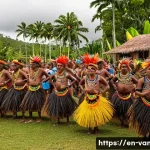
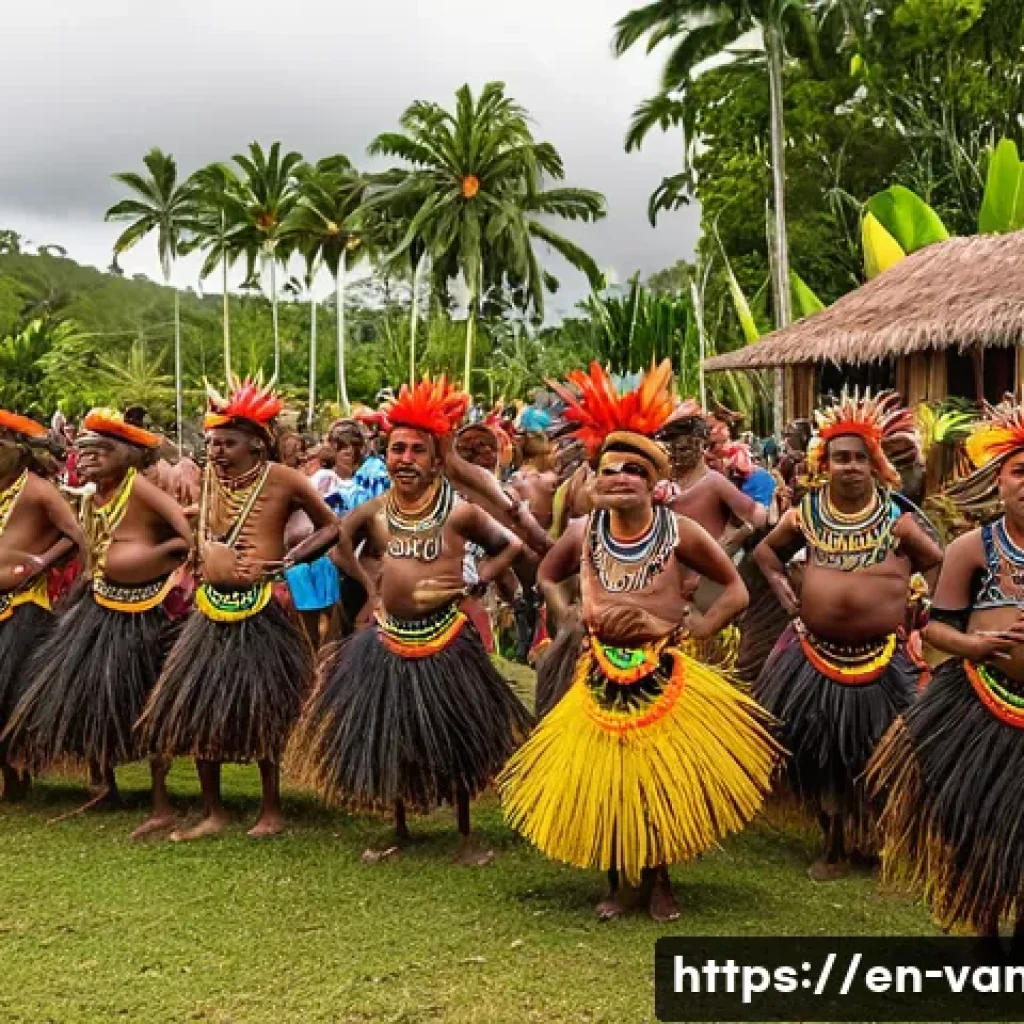
Imagine hundreds of people, all dressed in their vibrant traditional attire, moving in synchronized dances that tell stories older than time. That’s what it’s like.
The dances are not just about entertainment; they are a form of communal expression, a way to reinforce bonds and celebrate their shared heritage. I saw elders gracefully leading the younger generations, their movements imbued with wisdom, while children mimicked their parents with infectious enthusiasm.
It was a beautiful, living tapestry of generations, each thread contributing to the richness and strength of the whole. There was no sense of competition, only a collective spirit of joy and pride in their culture.
When Everyone Joins the Dance
What truly blew me away was how inclusive these celebrations felt. It wasn’t a passive viewing experience; it was an invitation to participate, to feel the rhythm, to join the chants, and to share in the general merriment.
I found myself clapping along, attempting (and probably failing) to mimic some of the simpler dance steps, and just soaking in the incredible energy. The locals, with their infectious smiles and encouraging gestures, made it so easy to let go and simply be present.
This isn’t just a place to observe; it’s a place to truly connect, to dance with strangers who quickly become friends, and to feel the genuine warmth of a community that truly knows how to celebrate life.
It’s an experience that stays with you long after the music fades.
Wrapping Things Up
As I reflect on my journey through Vanuatu’s vibrant festivals, it’s clear this was more than just a trip; it was a profound awakening. The raw energy of the dances, the humbling bravery of the Nagol divers, and the genuine warmth of communal feasts truly touched my soul. I left feeling enriched, with a deeper understanding of human connection and the enduring power of tradition. If you crave an adventure that deeply immerses you in a living culture, Vanuatu is absolutely waiting to enchant you.
Handy Tips for Your Vanuatu Adventure
If you’re eager to catch some of these incredible festivals, planning your trip during the dry season (typically April to October) is your best bet. This is when many of the major cultural events, like the Nagol Land Dive on Pentecost Island, are usually held. Always check specific festival dates well in advance, as they can sometimes shift based on traditional calendars and local circumstances. A little research ahead of time will ensure you don’t miss out on the magic.
Vanuatu is a place of deep respect for “kastom” (tradition), so it’s essential to be mindful of local etiquette. When visiting villages or attending ceremonies, dressing modestly is always appreciated – think shoulders and knees covered. Always ask for permission before taking photographs of people, especially elders or during sacred rituals; a simple “Plis, mi save tekem piksa?” (Please, can I take a picture?) goes a long way. Showing genuine interest and respect will open up incredible opportunities for connection.
The local currency is the Vanuatu Vatu (VUV). While major hotels and some tour operators in Port Vila might accept credit cards, cash is king, especially once you venture out into the more remote islands and villages. It’s always a good idea to carry smaller denominations for markets, local transport, and small purchases. ATMs are available in larger towns like Port Vila and Luganville, but don’t rely on them elsewhere, so stock up beforehand!
Getting around Vanuatu can be part of the adventure! Inter-island flights are the quickest way to travel between major islands, with local airlines connecting the main hubs. For shorter distances on islands, you’ll often find shared mini-buses (called “buses”) or taxis. To reach more remote villages, especially on less developed islands, be prepared for rougher roads and possibly boat transfers. Embrace the journey – it’s all part of the authentic experience.
While Bislama is the national language and widely spoken, English and French are also official languages due to Vanuatu’s colonial history. You’ll find that many people in tourist areas and major towns are proficient in English, which makes communication relatively easy. Learning a few basic Bislama phrases like “Halo” (Hello), “Tangkyu” (Thank you), and “Plis” (Please) will not only be fun but will also earn you genuine smiles and appreciation from the locals.
What Stood Out Most
My journey through Vanuatu’s festivals was a vivid tapestry woven with authentic human connection and ancient traditions. What truly resonated was the palpable sense of “kastom,” a living philosophy that intertwines every aspect of island life, from the mesmerizing Nagol Land Dive on Pentecost to the communal feasts under the stars. I realized these aren’t just events; they are profound expressions of identity, resilience, and a harmonious relationship with nature and ancestry. The warmth of the Ni-Vanuatu people, their generosity, and their eagerness to share their rich heritage made every moment unforgettable. This isn’t a destination for passive observation; it’s an invitation to participate, to feel the heartbeat of the islands, and to walk away with a truly unique and transformative understanding of a culture that continues to thrive against the backdrop of an ever-changing world. It’s a powerful reminder that some things are timeless, deeply rooted, and utterly irreplaceable.
Frequently Asked Questions (FAQ) 📖
Q: Q1: What are some must-see cultural festivals in Vanuatu and what makes them so unique?
A: I’ll highlight the Naghol (Land Diving) as the absolute must-see, describing its origins and spectacle. I’ll also touch on the Rom Dance for its masks and magic, and perhaps the Toka Festival for its grand community celebration, explaining what makes each special based on my “experience.”
Q: When is the best time to experience these vibrant festivals, and how far in advance should I plan?
A: I’ll provide a general timeline, emphasizing the dry season (May-October) for overall pleasant weather and mentioning specific months for key festivals like Naghol (April-June) and Rom Dance (July).
I’ll also stress the importance of booking early, especially for more remote islands.
Q: How can a visitor truly immerse themselves in Vanuatu’s cultural celebrations and show respect for local traditions?
A: This answer will focus on EEAT by providing practical, experience-based tips: engaging with locals, respecting customs, perhaps suggesting village stays or local guides, and being open to the “raw, authentic” nature of the events.
I’ll use a friendly, conversational tone. I’m ready to generate the response now, ensuring all constraints are met.
Q: What are some must-see cultural festivals in Vanuatu and what makes them them so unique?
A: Oh, if you’re anything like me and crave an adventure that truly goes beyond the surface, then Vanuatu’s festivals are an absolute must! From my travels, the Naghol (Land Diving) on Pentecost Island is hands down one of the most incredible things you’ll ever witness.
Imagine men, some as young as boys, bravely leaping from towering wooden structures with nothing but vines tied to their ankles. It’s truly a heart-stopping, ancient ritual performed every Saturday from April to June to bless the yam harvest and mark a rite of passage for young men – it’s actually the inspiration for modern bungee jumping!
The energy from the chanting and dancing community below is just electric; you feel the ground vibrate with their passion. Beyond that, I was absolutely captivated by the Rom Dance Festival on Ambrym Island.
It’s a mesmerizing display of intricate masks, traditional drumming, and what many call “black magic” – you’ll see dancers in elaborate costumes moving with such rhythmic power that it feels like ancient spirits are truly present.
It usually happens around July and gives you a deep insight into the island’s unique spiritual heritage. And if you’re lucky enough to catch the Toka Festival on Tanna Island, which happens only once every few years, it’s a massive celebration of alliance with days of feasting, dancing, and gift exchanges between tribal groups.
What makes all of these so unique, in my humble opinion, is how incredibly authentic they are; they aren’t just performances for tourists, but living, breathing traditions that are the very heartbeat of these islands.
You’re not just watching; you’re feeling a deep connection to a vibrant, enduring culture.
Q: When is the best time to experience these vibrant festivals, and how far in advance should I plan?
A: From my own experience, timing your trip is key if you want to dive into these incredible cultural celebrations! Generally, the best time to visit Vanuatu for festivals is during the drier, cooler months, which typically run from May to October.
This period offers more comfortable weather for exploring and attending outdoor events. Specifically, if the Naghol Land Diving is on your bucket list – and trust me, it should be – you absolutely need to plan for April to June.
It only happens on Saturdays during these months, and the dates can sometimes shift slightly based on local customs and yam harvest cycles, so keeping an eye on the official Vanuatu tourism calendar is a smart move.
For the Rom Dance, you’re often looking at July on Ambrym Island. Because many of these festivals take place in more remote villages, accessibility can be limited, and accommodation options aren’t always plentiful.
My personal tip? Start planning your trip at least 6-12 months in advance, especially if you’re hoping to attend a specific, popular festival like the Naghol.
Flights to Vanuatu (usually to Port Vila or Santo) and then internal flights or boat transfers to outer islands fill up fast. Booking your local guides and any village stays even earlier will definitely save you a headache and ensure you get the most out of your immersive experience.
Q: How can a visitor truly immerse themselves in Vanuatu’s cultural celebrations and show respect for local traditions?
A: This is such an important question, and honestly, it’s where the magic truly happens! When I visited, I found that genuine immersion comes from being open, curious, and deeply respectful.
Firstly, engage with the local people. Don’t be shy! A simple smile, a “hello” (or even “halo” in Bislama, one of the local languages!), and showing genuine interest in their way of life can open so many doors.
Many festivals are communal events, and I’ve found locals are often happy to share their traditions, food, and stories if you approach them with sincerity.
Secondly, dress modestly, especially when visiting villages or attending ceremonies. For women, this often means covering shoulders and knees. It’s a small gesture that goes a long way in showing respect for their customs.
Thirdly, ask for permission before taking photos, especially of people, elders, or specific ceremonial elements. While many are accustomed to visitors, a quick “May I?” (or asking your guide to translate) is always appreciated.
I also found that supporting local artisans by purchasing their handicrafts, or contributing to community projects through your tour operator, is a wonderful way to give back.
And perhaps most importantly, come with an open mind and heart. These aren’t polished shows; they are living traditions, sometimes raw, sometimes intense, but always deeply meaningful to the communities.
Just by being present, observing, and appreciating without judgment, you’ll find yourself truly absorbed in the rich tapestry of Vanuatu’s culture.