Traveling to Vanuatu promises breathtaking landscapes and unforgettable cultural experiences, but recent weather patterns and natural events remind us how crucial it is to stay prepared.
Whether you’re island-hopping or exploring remote villages, unexpected emergencies can arise anytime. Knowing the essential safety tips not only keeps you secure but also lets you enjoy your trip with peace of mind.
In this post, I’ll share practical advice based on firsthand experiences and up-to-date insights to help you navigate Vanuatu safely. Stick around to discover how a little preparation can make all the difference in your adventure!
Understanding Vanuatu’s Unique Weather Challenges
Frequent Cyclones and Their Impact
Vanuatu is situated in a cyclone-prone region of the South Pacific, making it vulnerable to severe tropical storms especially from November through April.
From personal experience, the sudden shift in weather can be quite dramatic—clear skies can quickly give way to heavy rains and powerful winds. These cyclones not only disrupt travel plans but can also damage infrastructure like roads and power lines, which means you might face temporary isolation in some areas.
It’s crucial to monitor local weather updates regularly and heed any warnings issued by authorities. Keeping a portable weather radio or a reliable smartphone app handy can save you from unexpected surprises during your island exploration.
Seasonal Rainfall Patterns and Flood Risks
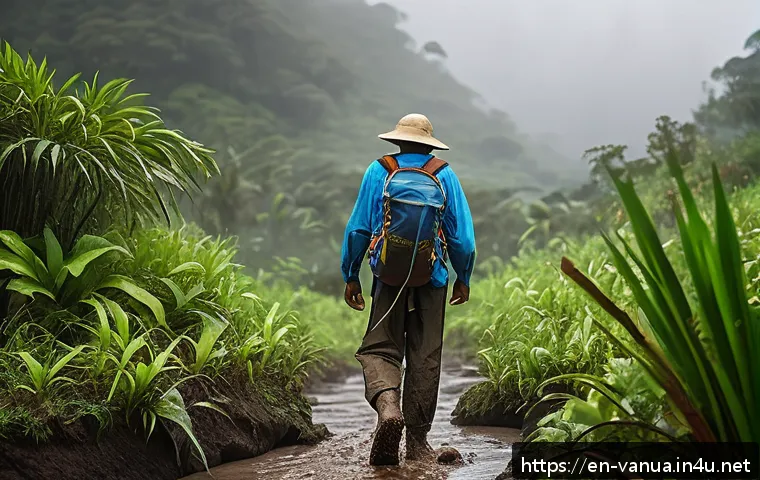
Heavy rainfall is another key factor that travelers often underestimate in Vanuatu. Particularly during the wet season, some regions experience intense downpours that lead to flash flooding and landslides.
I once witnessed a usually calm village road transform into a muddy torrent overnight, making certain paths impassable. When planning hikes or road trips, it’s wise to ask locals about recent weather conditions and avoid low-lying areas prone to flooding.
Moreover, waterproof gear and sturdy footwear are essential to stay comfortable and safe when sudden showers strike.
Heat, Humidity, and Sun Exposure
Aside from storms, Vanuatu’s tropical climate means high heat and humidity levels year-round. This can easily cause dehydration or heat exhaustion, especially if you’re engaging in outdoor activities like snorkeling or trekking.
I found carrying a refillable water bottle and applying sunscreen frequently made a huge difference in maintaining energy and preventing sunburn. Wearing lightweight, breathable clothing and a wide-brimmed hat also helps protect you from the intense sun.
Don’t underestimate how quickly the tropical sun can affect your body — staying hydrated and shaded is a simple yet critical precaution.
Preparing for Medical Emergencies on Remote Islands
Limited Access to Healthcare Facilities
Vanuatu’s many islands vary widely in terms of medical infrastructure. While the main island, Efate, has decent hospital facilities, smaller or more remote islands often only have basic clinics or none at all.
When I traveled to Tanna, I realized that serious medical care would require evacuation to the mainland, which could take hours or even days depending on weather and transport availability.
It’s essential to carry a comprehensive first aid kit and any personal medications you may need. Also, travel insurance covering medical evacuation is highly recommended, as it can be a lifesaver in emergencies.
Common Health Concerns and Prevention
Mosquito-borne illnesses like dengue fever and malaria are a real risk in Vanuatu, especially during the rainy season. Using insect repellent with DEET, wearing long sleeves and pants in the evening, and sleeping under mosquito nets are practical steps I always take to reduce risk.
Additionally, food and water safety are paramount. Stick to bottled water and eat freshly cooked meals from reputable vendors to avoid gastrointestinal troubles, which can ruin your trip.
If you experience symptoms like fever, rash, or persistent stomach issues, seek medical help promptly.
Emergency Contacts and Local Support Networks
Before setting off on your island adventures, make sure to note down emergency numbers and the locations of the nearest clinics or hospitals. Vanuatu’s emergency number is 112, but it’s also helpful to have contact details of your embassy or consulate.
When I was on Pentecost Island, the local community was incredibly supportive during a minor injury incident, quickly guiding me to the nearest aid station.
Building rapport with locals not only enriches your experience but can be invaluable if unexpected situations arise.
Staying Connected When Cell Service Is Spotty
Planning for Limited or No Signal Zones
Many of Vanuatu’s outer islands and rural areas have patchy or nonexistent mobile coverage. I’ve often found myself in places where calls wouldn’t go through or texts never delivered.
To manage this, planning your itinerary with awareness of connectivity gaps is key. Download offline maps, save important contacts, and let someone know your travel plans ahead of time.
Satellite phones or portable Wi-Fi devices can be rented if you expect to be off-grid for extended periods, but they come at an extra cost.
Using Local SIM Cards and Data Plans
Purchasing a local SIM card is generally the most cost-effective way to stay connected when you’re in urban centers or larger islands. Providers like Digicel and TVL offer prepaid options with decent coverage and data speeds.
When I switched to a local SIM, it was a game-changer for navigation and emergency communication. Just be sure your phone is unlocked and compatible with local networks before arriving.
Also, topping up credit in advance can avoid interruptions, especially during peak tourist seasons.
Emergency Communication Tools
In scenarios where mobile networks fail, apps like WhatsApp and Viber can still operate over Wi-Fi, which is often available at hotels or cafes. I recommend setting up these apps before traveling and ensuring your contacts are reachable through them.
For more remote adventures, consider carrying a personal locator beacon or a GPS messenger device. These tools can transmit your location to rescue teams in case of serious emergencies, providing peace of mind when venturing off the beaten path.
Essential Safety Gear to Pack for Vanuatu Trips
First Aid and Health Essentials
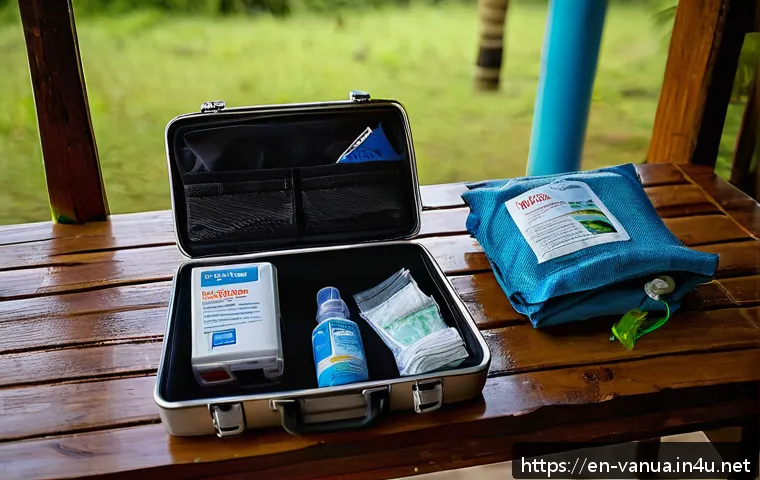
Based on my trips, a well-stocked first aid kit is non-negotiable. Items like antiseptic wipes, bandages, pain relievers, antihistamines, and insect bite creams are lifesavers.
I also include electrolyte packets to combat dehydration and motion sickness tablets for boat rides. If you wear prescription glasses or contact lenses, bring spares along with cleaning solutions.
Having these basics on hand prevents minor issues from escalating, especially in areas where pharmacies aren’t easily accessible.
Protective Clothing and Footwear
Packing smart clothing tailored to Vanuatu’s environment enhances comfort and safety. Quick-dry shirts, long sleeves, and pants help guard against sunburn and insect bites, while sturdy hiking boots or water shoes protect your feet on rugged trails and coral reefs.
I learned the hard way that flip-flops are impractical for anything beyond the beach. Layering options are also helpful since mornings and evenings can be cooler in the highlands or during the wet season.
Navigation and Lighting Tools
Reliable navigation aids like a compass, GPS device, or offline maps can keep you oriented, especially on less marked trails or when venturing into dense jungle areas.
Carrying a headlamp or a strong flashlight with extra batteries is equally important for nighttime activities or unexpected delays. On one occasion, a sudden power outage left me grateful for a flashlight and spare batteries, which allowed me to safely navigate back to my accommodation without stress.
How to React During Natural Disasters in Vanuatu
Recognizing Early Warning Signs
Vanuatu’s local communities are often attuned to natural warning signs such as unusual animal behavior, sudden changes in wind or sea conditions, and seismic tremors.
When I stayed in a coastal village, elders advised me to take any such signs seriously and prepare to evacuate. Paying attention to these indicators and official alerts can give you precious time to secure your belongings and move to safer ground.
Evacuation Procedures and Safe Zones
In the event of cyclones, earthquakes, or tsunamis, authorities designate evacuation centers and safe zones. Familiarize yourself with their locations as soon as you arrive.
During a cyclone warning on Efate, I witnessed orderly evacuations led by local officials, which highlighted the importance of following instructions promptly.
Carrying a small emergency bag with essentials like water, food, and important documents can make the transition smoother.
Post-Disaster Safety Measures
After a natural disaster, hazards such as fallen power lines, contaminated water, and unstable buildings pose significant risks. Avoid floodwaters and damaged areas until authorities confirm they are safe.
Personal hygiene becomes critical to prevent disease outbreaks, so use bottled water for drinking and brushing teeth. Checking in with your accommodation and local contacts helps you stay informed about ongoing recovery efforts and available assistance.
Practical Communication Tips for Emergency Situations
Clear and Concise Messaging
When reporting an emergency, being clear and concise is vital. I learned that calmly stating your location, the nature of the emergency, and any immediate needs helps responders act quickly.
Avoid unnecessary details or panic, which can cause confusion. If possible, use landmarks or GPS coordinates to help pinpoint your exact position.
Language Considerations and Local Assistance
While English is widely spoken in tourist areas, many locals primarily use Bislama or French. Having a translation app or phrasebook can facilitate communication during emergencies.
I found that locals are generally eager to help, so don’t hesitate to ask for assistance or directions. Building rapport early in your trip can make these interactions more effective when time is critical.
Keeping Emergency Contacts Accessible
Store emergency numbers in your phone’s favorites list and carry a written copy in your wallet or backpack. Sharing these contacts with travel companions ensures everyone knows who to call if needed.
I recommend creating a simple emergency card with your name, allergies, and medical conditions, which can be invaluable if you’re unable to communicate during a crisis.
Essential Emergency Supplies Checklist for Vanuatu Travelers
| Item | Purpose | Why It’s Important |
|---|---|---|
| First Aid Kit | Treat minor injuries | Immediate care prevents infections and complications |
| Insect Repellent | Protect against mosquito bites | Reduces risk of dengue, malaria, and other diseases |
| Portable Weather Radio | Receive weather alerts | Stay informed about cyclones and storms |
| Waterproof Clothing | Stay dry during heavy rain | Prevents hypothermia and discomfort |
| Local SIM Card | Maintain communication | Enables emergency calls and navigation |
| Emergency Contact List | Quick access to help | Speeds up response in urgent situations |
| Flashlight and Extra Batteries | Illumination at night | Essential during power outages or night evacuations |
| Refillable Water Bottle | Stay hydrated | Prevents dehydration in hot climate |
Conclusion
Traveling to Vanuatu offers a unique adventure filled with breathtaking landscapes and vibrant culture, but it also demands careful preparation due to its distinct weather patterns and remote locations. Staying informed, packing essential safety gear, and understanding emergency procedures can significantly enhance your experience and safety. From my own trips, being proactive and respectful of local advice proved invaluable. Embrace the island spirit while prioritizing your well-being to make the most of your journey.
Helpful Tips to Remember
1. Always check weather updates regularly and prepare for sudden cyclones or heavy rainfall to avoid being caught off guard during your travels.
2. Carry a comprehensive first aid kit and personal medications, especially when visiting remote islands with limited healthcare facilities.
3. Use local SIM cards for better connectivity, but also plan for areas with no signal by downloading offline maps and sharing your itinerary with trusted contacts.
4. Dress appropriately with protective clothing and footwear to guard against sun exposure, insect bites, and rough terrain.
5. Familiarize yourself with emergency contacts, evacuation routes, and local support systems before venturing out, ensuring you can respond quickly if needed.
Key Takeaways
Understanding Vanuatu’s weather challenges and limited infrastructure is crucial for a safe trip. Prepare for cyclones, heat, and heavy rain by monitoring forecasts and packing suitable gear. Health precautions, including insect protection and access to medical care, should not be overlooked. Communication can be tricky on remote islands, so plan accordingly with local SIM cards and emergency devices. Lastly, knowing evacuation procedures and keeping emergency contacts accessible will help you stay secure during unexpected events.
Frequently Asked Questions (FAQ) 📖
Q: What are the most important safety precautions to take when traveling in Vanuatu?
A: When visiting Vanuatu, the key safety tips include staying informed about weather forecasts since the region can experience sudden tropical storms and cyclones.
Always carry a basic first-aid kit, drink bottled or purified water, and avoid swimming in unfamiliar areas due to strong currents. It’s also wise to register your travel plans with your embassy and have a local SIM card for emergency communication.
From my experience, being flexible and prepared for changes in plans really helps you stay safe while enjoying the islands.
Q: How can I prepare for natural emergencies like cyclones or earthquakes during my trip?
A: Preparing for natural disasters in Vanuatu means knowing evacuation routes and emergency shelter locations in advance—often your hotel or local tourism office can provide this info.
Pack essentials like a flashlight, extra batteries, and non-perishable snacks. Keep your phone charged and download offline maps. I once faced a cyclone warning while island-hopping, and having a small emergency kit and staying calm made all the difference.
Always follow local authorities’ instructions and avoid unnecessary travel during warnings.
Q: Is it safe to explore remote villages and go island-hopping in Vanuatu?
A: Exploring remote villages and island-hopping is one of the best ways to experience Vanuatu’s culture and nature, but safety depends on planning. Choose reputable tour operators who prioritize safety and know the local conditions.
Inform someone about your itinerary, especially if going off the beaten path. Respect local customs and ask permission before photographing people or homes.
In my trips, I found that locals are welcoming and helpful, but having good communication and a backup plan ensures a smooth adventure.