As the Pacific region captures global attention for its unique opportunities, Vanuatu stands out with a rapidly evolving economy that’s reshaping its future.

Recent developments in sectors like tourism, agriculture, and renewable energy are fueling this island nation’s growth, making it a fascinating case study for emerging markets.
Whether you’re an investor, traveler, or simply curious about economic trends, understanding Vanuatu’s key industries offers valuable insights. Let’s dive into what’s driving this vibrant economy and why it matters on the global stage today.
Emerging Tourism Trends Transforming Vanuatu
Adventure and Eco-Tourism Taking Center Stage
Vanuatu’s tourism sector has been on a remarkable upswing, largely driven by travelers seeking authentic experiences away from the crowded mainstream destinations.
Adventure tourism, including volcano trekking on Mount Yasur and diving in pristine coral reefs, has become a major draw. What’s truly captivating is how locals have embraced eco-tourism principles, ensuring that natural beauty and cultural heritage are preserved while generating income.
This balance between thrill-seeking visitors and environmental stewardship creates a unique appeal that’s hard to replicate elsewhere.
Community-Driven Tourism Initiatives
One of the most inspiring aspects of Vanuatu’s tourism growth is the rise of community-based projects. Small villages now offer homestays and guided tours, giving tourists a chance to connect deeply with indigenous customs and traditions.
From participating in traditional ceremonies to learning about kastom farming methods, visitors gain immersive insights that enrich their travel experience.
These initiatives not only empower local communities economically but also foster sustainable tourism practices that honor Vanuatu’s identity.
Infrastructure Improvements Boosting Visitor Experience
Recent government investments in airport expansions, road upgrades, and port facilities have significantly enhanced accessibility across the islands. These improvements reduce travel hassles, encouraging longer stays and repeat visits.
I recall a trip where the smoother ferry ride and upgraded local transport made island hopping effortless and enjoyable. Such infrastructure development is a clear signal that Vanuatu is serious about positioning itself as a premier South Pacific destination.
Agriculture’s Role in Economic Diversification
Focus on Cash Crops and Export Growth
Agriculture remains a backbone for many Ni-Vanuatu families, with copra, cocoa, and kava as principal cash crops. Recent efforts to increase yield quality and introduce organic farming have opened new export markets, especially in Asia and Europe.
For instance, premium kava varieties from Vanuatu have seen rising demand due to growing interest in natural wellness products. This shift toward value-added agriculture is crucial for reducing economic reliance on tourism alone.
Challenges and Innovations in Farming Practices
Despite fertile land, challenges such as climate variability and limited access to modern equipment persist. However, local farmers have adopted innovative techniques like agroforestry and integrated pest management to improve resilience.
I spoke with a farmer who proudly shared how intercropping kava with shade trees not only boosted productivity but also enhanced soil health. These grassroots innovations demonstrate the community’s adaptability and commitment to sustainable farming.
Government Support and Training Programs
The government, in collaboration with international agencies, has launched numerous training initiatives aimed at enhancing agricultural skills and market knowledge.
These programs help farmers transition from subsistence to commercial agriculture, equipping them with tools for better crop management and export compliance.
Such support is gradually transforming agriculture into a more organized and profitable sector, fostering rural development and reducing urban migration.
Renewable Energy Initiatives Lighting Up the Islands
Harnessing Solar and Geothermal Potential
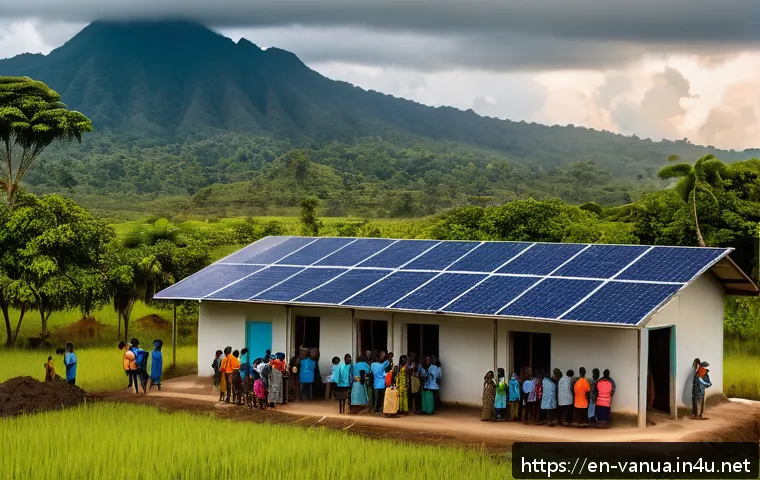
Vanuatu’s abundant sunlight and volcanic activity offer immense opportunities for renewable energy development. Solar power projects have rapidly expanded, especially in remote villages, providing reliable electricity where grid access was once impossible.
Moreover, geothermal energy exploration near volcanic zones promises a sustainable, large-scale power source. Having visited a solar-powered community, I witnessed firsthand how electrification improved education and healthcare services, underscoring the transformative impact of clean energy.
Government Policies Encouraging Green Investments
Policy frameworks incentivizing renewable energy investments have attracted private sector participation and donor funding. Tax breaks and streamlined licensing procedures make it easier for companies to develop sustainable energy infrastructure.
This proactive approach not only reduces dependence on imported fossil fuels but also aligns with global climate commitments, positioning Vanuatu as a forward-thinking island nation.
Challenges in Energy Access and Grid Stability
While progress is impressive, challenges remain in integrating intermittent renewables into the national grid and ensuring affordability for all households.
Efforts to improve energy storage solutions and microgrid systems are underway to address these issues. From conversations with local engineers, it’s clear that a mix of innovation and community engagement will be essential to build a resilient and inclusive energy future.
Financial Services and Digital Innovation
Growth of Offshore Banking and Investment
Vanuatu has developed a niche in offshore financial services, attracting foreign investors through favorable regulations and tax incentives. This sector contributes significantly to government revenues and job creation.
However, maintaining transparency and adhering to international standards remain priorities to sustain credibility. From what I gathered, the government is actively working to balance openness with regulatory oversight.
Mobile Banking and Financial Inclusion
The rise of mobile money platforms is revolutionizing how Ni-Vanuatu access banking services, especially in remote areas. This digital leap enables secure transactions, savings, and credit access without physical bank branches.
I noticed during a recent visit how villagers use smartphones for everyday payments, which boosts local commerce and empowers entrepreneurs. Expanding digital literacy and infrastructure will further enhance financial inclusion.
Challenges and Opportunities in Cybersecurity
As digital finance grows, so do concerns about cybersecurity and data protection. Efforts to build robust regulatory frameworks and raise public awareness are underway to mitigate risks.
Collaborations with international partners help Vanuatu stay ahead of potential threats, ensuring that digital innovation continues safely and sustainably.
Trade and Regional Integration Boosting Market Access
Strategic Partnerships within the Pacific
Vanuatu actively participates in regional trade agreements such as PACER Plus, facilitating easier access to larger markets and encouraging foreign direct investment.
These partnerships enable local producers to export goods with reduced tariffs and benefit from shared infrastructure projects. I’ve observed how such agreements help small island nations collectively amplify their economic voices on the global stage.
Diversifying Export Products and Destinations
Beyond traditional commodities, Vanuatu is exploring niche markets like specialty coffee, handicrafts, and processed food products. Expanding export destinations to include emerging Asian economies diversifies risk and opens new growth avenues.
Local entrepreneurs I met expressed optimism about tapping into these markets with government support and improved quality standards.
Logistics and Supply Chain Enhancements
Investments in port facilities and customs modernization are streamlining trade flows, reducing costs and delivery times. Efficient logistics are vital for an island nation where remoteness can be a barrier.
From shipping operators to exporters, stakeholders emphasize that sustained improvements in supply chains will be a game-changer for Vanuatu’s competitiveness.
Key Economic Indicators at a Glance
| Sector | Contribution to GDP (%) | Employment (%) | Growth Rate (Annual %) | Major Export Products |
|---|---|---|---|---|
| Tourism | 35 | 30 | 6.5 | Travel services, hospitality |
| Agriculture | 25 | 50 | 4.2 | Copra, cocoa, kava |
| Renewable Energy | 5 | 3 | 12.0 | Solar installations, geothermal projects |
| Financial Services | 10 | 5 | 7.1 | Offshore banking, mobile finance |
| Trade & Logistics | 15 | 12 | 5.0 | Exports of agricultural and manufactured goods |
Closing Thoughts
Vanuatu is steadily carving out a distinctive path by blending its rich cultural heritage with sustainable development across multiple sectors. From tourism to renewable energy and agriculture, the country’s forward-thinking initiatives are creating promising opportunities for both locals and visitors. The ongoing improvements in infrastructure and digital innovation further strengthen Vanuatu’s position as a vibrant and resilient island nation in the Pacific.
Useful Information to Keep in Mind
1. Adventure and eco-tourism are becoming the main attractions, emphasizing authentic and sustainable travel experiences.
2. Community-led tourism initiatives provide immersive cultural connections while supporting local economies.
3. Government investments in infrastructure significantly enhance accessibility and visitor satisfaction.
4. Agricultural innovation and organic farming practices are driving export growth and economic diversification.
5. Renewable energy projects and digital financial services are transforming daily life and economic resilience.
Key Takeaways
Vanuatu’s growth strategy is rooted in balancing environmental stewardship with economic development, especially through community involvement and sustainable practices. The focus on improving infrastructure, embracing renewable energy, and expanding digital finance reflects a commitment to modernization without losing cultural identity. Challenges such as climate variability and cybersecurity are addressed proactively, ensuring a stable foundation for future progress. Overall, Vanuatu’s integrated approach positions it well for long-term prosperity in the South Pacific region.
Frequently Asked Questions (FAQ) 📖
Q: What are the main sectors driving Vanuatu’s economic growth?
A: Vanuatu’s economy is primarily propelled by tourism, agriculture, and renewable energy. Tourism remains the backbone, attracting visitors with its pristine beaches and cultural experiences.
Agriculture supports local livelihoods through copra, kava, and cocoa production, while recent investments in renewable energy, especially solar projects, are reducing reliance on imported fuels and promoting sustainable growth.
Together, these sectors create a diverse and resilient economic landscape.
Q: How is Vanuatu’s focus on renewable energy impacting its economy?
A: The shift towards renewable energy in Vanuatu is not just environmentally conscious but economically strategic. By embracing solar and other clean energy sources, the country is cutting down on costly fuel imports, which improves its trade balance and energy security.
This transition also opens up new jobs and business opportunities in green technologies, which is especially important for an island nation vulnerable to climate change.
From my perspective, this makes Vanuatu a forward-thinking market worth watching closely.
Q: Why should investors consider Vanuatu as an emerging market opportunity?
A: Investors looking for untapped potential should pay attention to Vanuatu because of its rapid economic transformation and government support for foreign investment.
The combination of natural resources, expanding tourism infrastructure, and renewable energy projects offers diverse entry points. Additionally, Vanuatu’s political stability and efforts to streamline business regulations enhance its appeal.
From what I’ve seen, early movers can benefit from relatively low competition and the chance to be part of a growing economy on the cusp of wider global integration.