Have you ever wondered what stories a national flag tells beyond its colors and shapes? As global events continue to highlight the importance of cultural identity, understanding the symbolism behind Vanuatu’s flag offers a fascinating glimpse into the island nation’s heritage and values.
From vibrant hues to intricate emblems, each element is packed with meaning that reflects Vanuatu’s history and unity. Join me as we unravel the rich symbolism woven into this captivating flag, revealing insights that go far beyond what meets the eye.
Whether you’re a history buff or simply curious, this journey promises to deepen your appreciation for Vanuatu’s unique story.
The Colors that Speak Volumes
The Meaning Behind the Vibrant Palette
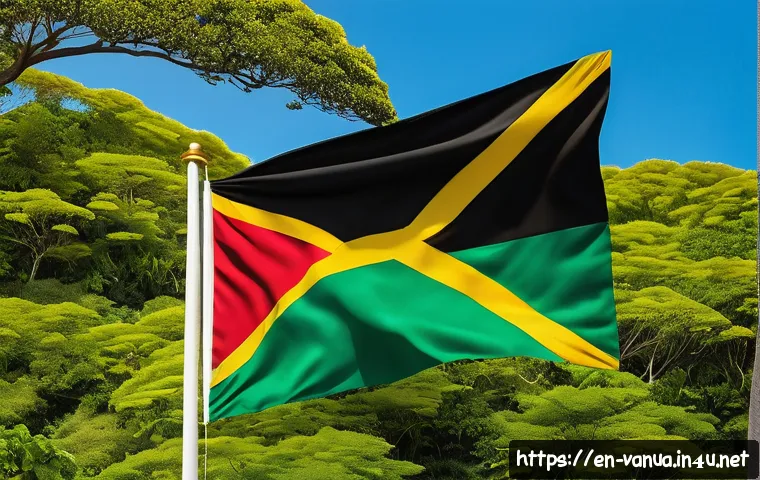
When you first glance at Vanuatu’s flag, the vivid colors immediately catch your eye, but each hue is carefully chosen to convey a deeper message. The bold red symbolizes the blood shared by the people, a testament to their unity and sacrifices through history.
Green represents the rich vegetation and fertile lands, underscoring the importance of agriculture and nature in everyday life. Black stands for the indigenous Melanesian population, honoring the heritage and identity of the majority.
Yellow, in the form of a Y-shaped band, signifies the light of the gospel spreading across the islands, reflecting the profound influence of Christianity on Vanuatu’s culture.
This combination of colors is not random; it’s a vibrant narrative of the people’s roots, beliefs, and environment.
How Colors Unite Tradition and Modernity
Colors on flags often serve as a bridge between the past and present, and Vanuatu’s is no exception. The green and black pay homage to the ancestral lands and original inhabitants, while the red and yellow bring in elements of resilience and faith that define the nation today.
This duality creates a visual harmony that resonates with both young and old citizens. When I visited Vanuatu, locals often spoke about how these colors remind them of their connection to the land and their collective strength in overcoming colonial challenges.
The flag isn’t just fabric; it’s a living symbol that continues to inspire pride and unity.
Symbols Embedded in the Design
The Intricate Emblem of Tradition
Nestled within the flag’s design lies a black triangle that contains a striking emblem: a boar’s tusk encircling two crossed namele leaves. The boar’s tusk is a powerful symbol in Vanuatu, representing prosperity and wealth.
It’s often worn as a pendant during ceremonies, signaling respect and social status. The namele leaves, on the other hand, symbolize peace and harmony, as they are traditionally used to mark sacred or forbidden places.
Together, these elements reflect the balance between strength and tranquility that the people of Vanuatu strive to maintain in their communities.
Connecting Symbolism to Daily Life
What fascinates me most is how these symbols are not just ornamental but actively woven into daily customs. For example, during important gatherings, elders might present boar tusks as gifts, underscoring honor and goodwill.
The namele leaves are used in rituals to bless homes or protect crops. This deep-rooted symbolism makes the flag feel alive, a constant reminder of Vanuatu’s values.
It’s like carrying a piece of tradition wherever you go, a silent yet powerful emblem of identity.
The Story Told by the Flag’s Shape and Layout
The Meaning Behind the Y-Shape
The striking Y-shape that cuts across the flag is more than a design choice—it represents the layout of Vanuatu’s islands spreading across the Pacific Ocean.
This shape visually guides the eye to understand the nation’s geography, emphasizing the unity of diverse islands as one country. The yellow border surrounding the Y also stands for the golden light of Christianity, which has played a significant role in shaping the society’s moral and ethical compass.
This clever use of layout serves as a constant visual reminder of both physical and spiritual unity.
How the Layout Enhances National Identity
The flag’s structure feels dynamic, reflecting the movement and flow of the sea surrounding Vanuatu’s islands. It’s almost like the flag itself is alive, telling a story of connection across waters and generations.
Locals often describe it as a symbol of navigation, both literally, through their seafaring history, and metaphorically, through their journey as a nation.
I found this aspect particularly inspiring, as it shows how even the flag’s shape can evoke a sense of belonging and shared destiny.

Traditional Values Reflected in Modern Symbolism
Respect for Community and Heritage
Vanuatu’s flag encapsulates the essence of its people’s respect for tradition and communal life. The symbols and colors remind everyone that despite modern changes, the core values of cooperation, respect, and peace remain central.
This respect is visible in the way communities celebrate festivals, resolve conflicts, and maintain social ties. The flag acts as a visual contract, reinforcing these principles every time it’s displayed in public spaces or homes.
The Role of Christianity in Cultural Identity
Christianity’s influence is undeniable, woven deeply into the flag’s design and Vanuatu’s societal fabric. The yellow Y-shaped band symbolizing the gospel’s light is a constant reminder of faith’s role in everyday life.
It’s fascinating how religion and tradition coexist here, blending seamlessly without overshadowing each other. This balance is a key factor in the nation’s strong sense of identity and resilience, something I witnessed firsthand during community events where spiritual and cultural elements intertwined beautifully.
Understanding Vanuatu’s Flag Through a Comparative Lens
Comparing with Other Pacific Island Flags
When you look at Vanuatu’s flag alongside other Pacific island nations, its unique symbolism stands out. Unlike some flags that focus heavily on colonial history or abstract designs, Vanuatu’s flag embraces indigenous culture and local values.
For instance, Fiji’s flag incorporates a British Union Jack, reflecting its colonial ties, while Vanuatu’s flag proudly centers on native symbols like the boar’s tusk and namele leaves.
This difference highlights Vanuatu’s journey towards self-reliance and cultural pride.
Lessons from Symbolism in National Flags
National flags are like windows into a country’s soul, and Vanuatu’s offers valuable lessons on how symbolism can foster unity and pride. Its design teaches us that a flag doesn’t have to be complex to be meaningful—it just needs to resonate deeply with the people it represents.
From my perspective, this makes Vanuatu’s flag a perfect example of how art and identity can merge to create something truly inspiring.
A Closer Look at Vanuatu’s Flag Elements
| Flag Element | Symbolism | Significance |
|---|---|---|
| Red | Blood of the people | Unity and sacrifice |
| Green | Fertile land | Nature and agriculture |
| Black | Melanesian people | Indigenous heritage |
| Yellow Y-shape | Light of the gospel | Christian faith and unity |
| Boar’s tusk emblem | Wealth and prosperity | Social status and respect |
| Namele leaves | Peace and harmony | Protection and sacredness |
In Conclusion
The flag of Vanuatu is more than just a symbol; it tells a vibrant story of heritage, faith, and unity. Each color and emblem carries deep meaning, reflecting the people’s connection to their land and traditions. Experiencing this flag firsthand reveals how it continues to inspire pride and a strong sense of identity among Vanuatu’s citizens.
Useful Information to Keep in Mind
1. The colors of Vanuatu’s flag represent blood, fertile land, indigenous heritage, and Christian faith, making it a rich tapestry of meaning.
2. The boar’s tusk and namele leaves are traditional symbols that emphasize prosperity, peace, and cultural respect.
3. The Y-shaped design not only illustrates the geography of the islands but also symbolizes spiritual light and unity.
4. Vanuatu’s flag stands out among Pacific nations by focusing on indigenous symbols rather than colonial imagery.
5. The flag’s design serves as a daily reminder of community values and the blending of tradition with modern identity.
Key Takeaways
Vanuatu’s flag is a powerful emblem of national pride that harmoniously combines traditional symbols and colors with modern significance. It highlights the importance of unity, cultural heritage, and faith in shaping the country’s identity. Understanding these elements helps appreciate how a flag can embody both history and ongoing community spirit in a meaningful way.
Frequently Asked Questions (FAQ) 📖
Q: What do the colors on Vanuatu’s flag represent?
A: Each color on Vanuatu’s flag carries a special meaning tied to the island’s culture and environment. The red symbolizes the blood of wild boars and the unity of the people, while black represents the ni-Vanuatu, the indigenous Melanesian population.
Green stands for the richness of the islands’ vegetation and agriculture, reflecting the importance of nature in daily life. Yellow, seen in the Y-shaped pattern, signifies the light of the gospel spreading through the islands, highlighting the nation’s Christian heritage.
Q: What is the significance of the emblem on Vanuatu’s flag?
A: The emblem inside the black triangle features a boar’s tusk encircling two crossed namele leaves. The boar’s tusk is a traditional symbol of prosperity and wealth in Vanuatu, often worn as a sign of status.
The namele leaves represent peace and are deeply connected to local customs and tribal identity. Together, these symbols emphasize respect for tradition, social harmony, and the cultural pride of Vanuatu’s people.
Q: Why does the flag have a Y-shaped design, and what does it mean?
A: The Y-shape on Vanuatu’s flag is not just a design choice; it represents the shape of the islands as they spread out in the Pacific Ocean. This pattern also symbolizes the unity of the islands’ diverse cultures coming together as one nation.
It reflects the idea of growth and movement, pointing to the ongoing journey of Vanuatu towards development while honoring its roots. Personally, I find this element especially powerful because it visually connects the geography with the people’s shared identity.