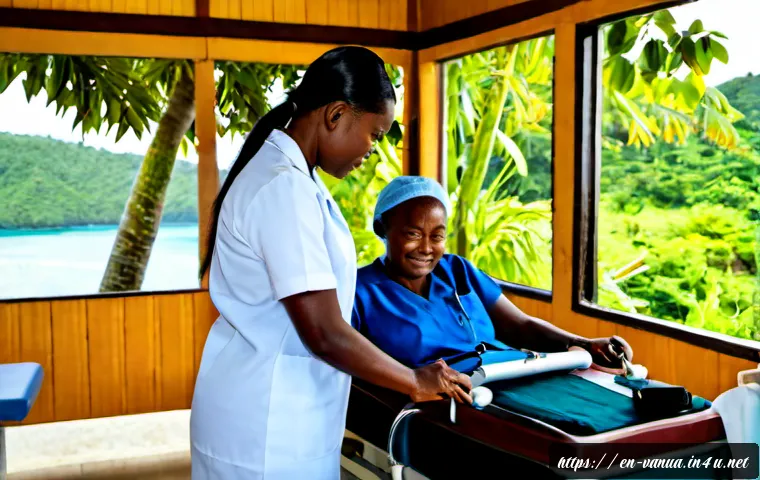
Vanuatu provides public healthcare through hospitals, health centres, and dispensaries, but access varies by island. Learn when private care, international insurance, or medical evacuation cover may be worth considering.
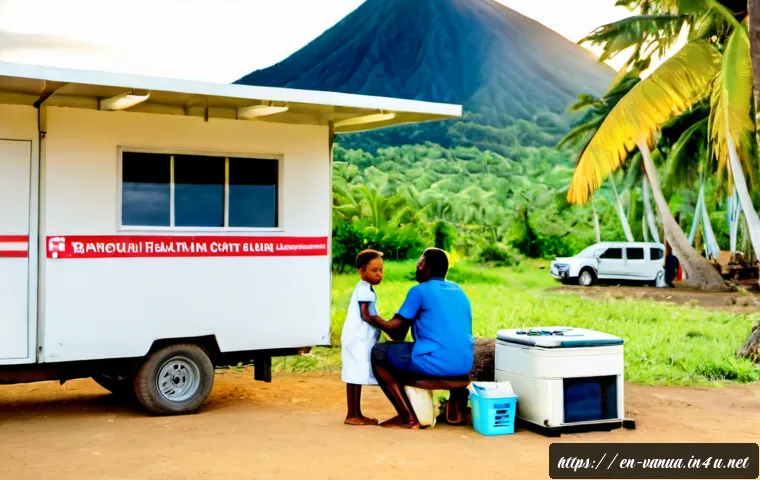
Healthcare in Vanuatu includes public hospitals, health centres, and dispensaries, but the level of care can vary significantly between Port Vila, Luganville, and remote islands. Routine needs may be managed locally, while serious or complex cases can require referral, inter-island transfer, or overseas treatment planning.
For travelers, expats, employers, and relocating families, the practical question is not simply whether healthcare exists, but what level of care is reachable from your location. Private clinic access and international medical insurance may be useful depending on your island, health needs, and length of stay. A low-cost travel policy can be less suitable if its medical evacuation, repatriation, or transfer terms are limited. Checking provider access and insurance assistance procedures before travel can reduce uncertainty during an emergency.
At a Glance
- Vanuatu’s public health system includes hospitals, health centres, and smaller dispensaries across the islands.
- More specialised services and private healthcare options are generally easier to find in larger urban areas.
- Complex illness or injury may require referral or transfer, making evacuation planning an important insurance consideration.
| Option | May Suit | Key Planning Point |
|---|---|---|
| Public hospitals and local facilities | Routine consultations, basic treatment, and community-based care | Confirm what services are available near the island where you will stay. |
| Private clinics | People seeking private provider access in larger urban areas | Ask about appointments, diagnostics, payment arrangements, and referral pathways. |
| Travel medical insurance | Short-stay visitors | Review emergency treatment, medical evacuation, repatriation, and exclusions. |
| International health insurance | Expats, families, and long-term workers | Check local provider access, overseas referral support, and direct-billing eligibility. |
| Medical evacuation cover | Anyone staying outside major urban areas or with higher health needs | Read transfer limits, approval procedures, destination rules, and transport conditions. |
What Healthcare Access Looks Like Across Vanuatu
Healthcare access in Vanuatu is shaped by geography. The country is spread across islands in the South Pacific, so distance and transport conditions can affect how quickly a person reaches medical care. The public health system is led by Vanuatu’s Ministry of Health and provides services through several types of facilities.
The role of public hospitals, health centres, and dispensaries
Public services include hospitals, health centres, and smaller dispensaries serving communities across the islands. Vila Central Hospital in Port Vila is a major referral facility. Northern Provincial Hospital in Luganville is an important hospital for the northern part of the country.
For routine concerns, a nearby local facility may be the most practical starting point. However, visitors and residents should avoid assuming that every facility can provide the same diagnostics, treatment, medicines, or specialist support. Current services should be confirmed directly with the relevant provider when they matter to your plans.
Why island location can change the care available
Access can look very different depending on whether you are staying in Port Vila, Luganville, another populated area, or a remote island. More specialised medical services and private healthcare options are generally more available in larger urban areas than on remote islands. Cyclones, transport disruption, and limited inter-island connectivity can also affect timely access to care.
This matters for resort guests, remote workers, field teams, and families relocating outside the main urban centres. Before relying on local access, ask where the nearest appropriate facility is and how a transfer would be arranged if local treatment is not enough.
When a referral or transfer may be necessary
Serious cases may require referral or transfer when a local facility cannot provide the needed level of care. A transfer may involve moving to another island or arranging treatment outside Vanuatu, depending on the clinical need and available services. Referral planning is not the same as guaranteed transport; insurance approval, weather, connectivity, and provider arrangements can all need confirmation.
Public Care, Private Clinics, and Overseas Referral: Key Differences
The most suitable care pathway depends on urgency, location, and complexity. Public services remain an important part of healthcare access, while private clinics may offer another option in larger urban areas. Overseas referral becomes a consideration when required care cannot be provided locally.
Routine consultations and basic treatment
For a non-complex health concern, local public facilities or a private clinic may be the appropriate first point of contact, depending on where you are and what is available. A private provider may be appealing for people who want private clinic access, but it is still sensible to verify appointment availability, payment expectations, and the scope of services before depending on it.
Diagnostics, specialist care, and complex emergencies
Do not assume a specific scan, specialist, medicine, emergency service, or treatment is available at a particular facility on a particular date. Those details can change and should be checked directly. If care is complex, the key issue is often the referral pathway: who assesses the need, where the patient may be sent, and whether insurance assistance is involved.
What to confirm before relying on a private provider
Ask practical questions before choosing a private clinic or adding it to an employer health plan. Confirm the clinic’s location, the type of consultation it can provide, whether it can arrange referral, and how payment is handled. If you expect an insurer to pay directly, confirm that arrangement with both the provider and insurer; direct billing is not automatic for every policyholder.
Insurance and Medical Evacuation: When the Extra Cover May Matter
Insurance does not change the availability of care on a remote island, but it can shape how treatment, referral, and transport are managed financially and administratively. The main issue is whether the policy fits your actual travel or relocation pattern.
Travel insurance versus international health insurance
Travel health insurance may suit a short visit, especially when it includes emergency medical benefits. International medical insurance may be more relevant for expats, long-term employees, and families who need broader ongoing support. Neither type should be chosen by name alone: policy wording, exclusions, assistance procedures, and geographic coverage matter.
Medical evacuation, repatriation, and transfer limits
Medical evacuation coverage can be particularly relevant where complex care may require transfer. Review whether a policy refers to medical evacuation, repatriation, inter-island transport, overseas referral, or emergency assistance. Also check who makes the transport decision, whether prior approval is required, and what limits or conditions apply.
A cheap travel policy may appear adequate until a transfer is needed. Evacuation and repatriation benefits should be read separately from routine medical expense limits. Coverage for one does not automatically mean coverage for every related cost or destination.
Policy exclusions that can create expensive gaps
Before purchasing cover, read exclusions and eligibility terms carefully. Confirm how the policy addresses pre-existing conditions, activities that may be excluded, remote-area travel, treatment outside Vanuatu, and assistance-company requirements. Do not assume that an insurer will approve direct billing, inter-island transfer, overseas referral, or evacuation for an individual policyholder without reviewing the policy and obtaining confirmation where needed.
Practical Steps Before Travel, Relocation, or Long-Term Work
Simple preparation can make a meaningful difference when care is needed away from a major centre. The goal is to know your likely first contact, your backup plan, and your insurance process before a stressful situation arises.
Check access near your island, resort, workplace, or accommodation

Identify the nearest hospital, health centre, dispensary, or private clinic relevant to your location. Ask accommodation providers or employers what emergency support arrangements exist and how transport is typically coordinated. This is especially useful if your itinerary includes remote islands or travel between islands.
Carry prescriptions, health records, and a medication buffer
Bring prescriptions and concise health records that may help a clinician understand your needs. If you rely on regular medication, plan ahead rather than assuming the same supply will be locally available. Current medicine availability and prices should be verified through appropriate local channels.
Confirm emergency contacts and insurer assistance procedures
Keep your insurer’s assistance instructions accessible, not only the policy certificate. Understand whether you are expected to contact the insurer before non-routine treatment or transfer arrangements. Employers should also make sure staff know who coordinates support if transport disruption or severe weather affects access.
Common Planning Mistakes and How to Reduce Risk
Assuming all islands offer the same level of care
The most common error is treating Vanuatu as one healthcare location rather than many islands with different access conditions. Check the care pathway for the exact place you will be staying, not only for Port Vila or Luganville.
Choosing insurance based only on the cheapest premium
A lower premium can be attractive, but it may not answer the important questions around emergency support. Compare medical limits, evacuation terms, repatriation benefits, exclusions, and assistance procedures before choosing cover.
Waiting until an emergency to check transport options
Transport can be affected by distance, limited connectivity, and cyclones. It is better to understand likely referral and transport arrangements in advance, especially for long stays, family travel, or work on outer islands.
Choosing Healthcare Cover and Support: A Decision Summary
Best fit for short-stay travelers
Short-stay visitors may prioritize travel medical insurance that clearly addresses emergency treatment, medical evacuation, and repatriation. This can be especially relevant if the trip includes islands away from larger urban areas.
Best fit for expats and long-term residents
Expats and relocating families may need a closer look at international health insurance, local private clinic access, chronic medication planning, and overseas referral support. Long-term needs are often different from the needs of a short holiday.
Questions to ask insurers, employers, and accommodation providers
Ask where local care is available, what happens if a referral is needed, how insurer assistance is contacted, and whether advance approval is required for transfers. Compare policy limits, evacuation terms, exclusions, and local provider access before choosing cover. For full terms and eligibility, check the insurer’s official policy page and assistance information.
Closing Thoughts
Vanuatu has a public healthcare network that includes major hospitals, health centres, and dispensaries, but access depends heavily on location. Local care may be appropriate for many needs, while complex cases can require referral or transfer planning. Travelers and residents are better served by preparing for the care available near their actual destination rather than making broad assumptions. Insurance is most useful when its medical, evacuation, and assistance terms match that reality.
Useful Information
1. Vila Central Hospital is a major referral facility in Port Vila.
2. Northern Provincial Hospital is an important hospital in Luganville for the northern part of Vanuatu.
3. Remote-island access can be affected by distance, weather, and inter-island transport conditions.
4. Keep prescriptions and relevant health records available during travel or relocation.
Key Considerations
Facility services, staffing, waiting times, medicine availability, transport schedules, treatment fees, and insurance approvals can change. This article does not confirm what a specific provider or insurer will offer on a given date. Verify current clinical access with the facility and confirm coverage, transfer approval, and claims procedures directly with the insurer before relying on a policy.
Frequently Asked Questions
Q1. Is healthcare in Vanuatu safe for tourists and expats?
A1. Vanuatu has public hospitals, health centres, and dispensaries, but the appropriate level of care can vary by island and by medical need. Tourists and expats should check local access near their destination and prepare for referral or transfer if more complex care is needed.
Q2. Do visitors to Vanuatu need travel insurance with medical evacuation coverage?
A2. Medical evacuation coverage can be worth considering because serious cases may require referral or transfer when local facilities cannot provide the needed care. Whether it is suitable depends on your itinerary, health needs, policy exclusions, and the specific evacuation and repatriation terms.
Q3. Are private clinics in Vanuatu better than public hospitals for routine care?
A3. Private clinics may offer an additional option, particularly in larger urban areas, but “better” depends on the service required and current availability. Confirm the clinic’s services, referral arrangements, payment process, and whether your insurance supports access before relying on it.