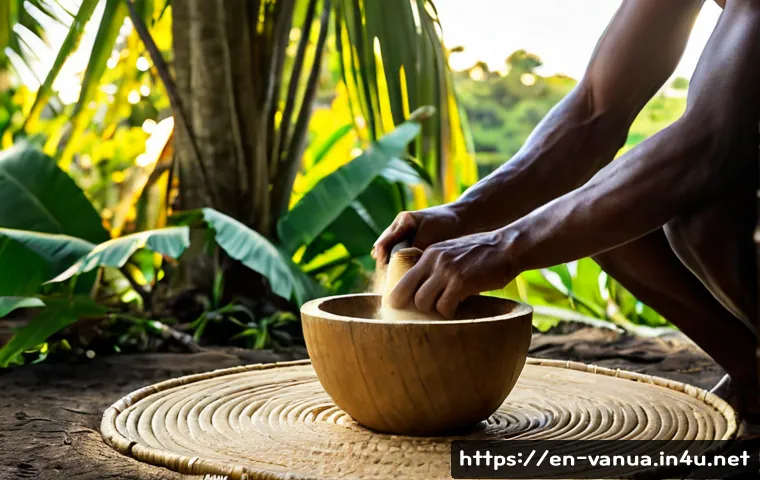
Vanuatu kava is a traditional, non-alcoholic drink made from the roots of Piper methysticum , commonly prepared with water and shared in social or ceremonial settings.
It is different from alcohol, but it can still have calming and sedating effects, so product format and responsible use matter. In Vanuatu, kava is closely connected to community life and is often enjoyed in kava bars known as nakamals.
Fresh preparation, powdered root, instant kava, and concentrated extracts can differ greatly in convenience, transparency, and caution points. Travelers may want a respectful local experience, while home buyers should focus on origin details, ingredients, preparation guidance, and seller transparency.
A clear label and realistic product information are more useful than broad claims about strength or authenticity.
At a Glance
- Vanuatu kava is a water-prepared drink traditionally made from the roots of Piper methysticum.
- It is generally non-alcoholic, but its active compounds may feel calming or sedating.
- Fresh kava, powdered root, instant products, and extracts are not interchangeable; check the format, ingredients, origin, and preparation instructions.
| Product Format | Convenience | Typical Use Case | Key Buying Checks |
|---|---|---|---|
| Fresh traditional kava | Lower | Local cultural settings and fresh preparation | Ask about handling, source, and how it was prepared |
| Powdered root | Moderate | Water-based preparation at home | Look for root disclosure, origin, ingredients, and clear instructions |
| Instant kava | Higher | People who want a simpler preparation process | Check whether the product explains its processing and serving guidance |
| Concentrated extracts | Higher | Supplement-style products rather than a traditional drink experience | Review the full ingredient list, processing details, and caution statements carefully |
What Vanuatu Kava Is and Why It Matters in Local Culture
Vanuatu kava refers to a traditional Pacific drink made from the roots of Piper methysticum, a plant cultivated across parts of the Pacific. In Vanuatu, it is commonly prepared by mixing or kneading ground root with water, then straining the liquid. The resulting drink is not typically alcoholic, yet that does not mean it should be treated like an ordinary soft drink.
The Root-Based Drink Behind the Pacific Tradition
The traditional focus is the root, not a flavored beverage designed for casual sipping. Water-based preparation is central to the familiar traditional form, although the exact strength can vary with the material used, the preparation method, and the serving size. Fresh kava, dried root, and processed products can all produce very different experiences.
For visitors and first-time buyers, this distinction matters. A product marketed simply as “kava” may be powdered root, an instant format, or a concentrated extract. Each calls for a different level of product-label scrutiny.
Social Settings, Nakamals, and Respectful Participation
Kava drinking is associated with social, ceremonial, and community settings in Vanuatu. Kava bars are often called nakamals, where people may gather to share the drink in a local setting. For travelers, this can be a cultural experience rather than merely a food-and-drink activity.
Respectful participation starts with observation. Follow the venue’s guidance, pay attention to how the drink is served, and avoid assuming that every nakamal follows the same routine. Local customs and expectations may differ, so a calm and considerate approach is usually the best one.
What First-Time Visitors May Notice About Taste and Mouth Feel
Kava often has an earthy, bitter flavor. A temporary numb feeling in the mouth can also occur. These features may be unfamiliar, but they are part of why a traditional water-prepared drink does not resemble a sweet bottled beverage or an alcoholic cocktail.
Do not use taste alone to judge a product’s strength, quality, or authenticity. The cultivar, processing quality, preparation, and serving size of an individual product are not always clear from flavor or appearance.
Traditional Preparation Compared With Modern Kava Products
The main difference between traditional and modern kava products is not just convenience. It is also about how much information is available about the ingredients, processing, intended preparation, and origin. A familiar traditional format may feel more culturally connected, while a convenient product may suit a home routine better.
Fresh and Water-Prepared Kava
In Vanuatu, kava is commonly made by mixing or kneading ground root with water and straining the liquid. Fresh preparation is closely tied to the traditional drink experience. It may be especially relevant for travelers visiting a nakamal or learning about Pacific food traditions in context.
Fresh preparation is not automatically a guarantee of consistency. The strength and quality of a serving can vary substantially. If you are in a local setting, use the venue’s guidance and avoid combining the experience with alcohol or plans that require alertness.
Powdered Root, Instant Formats, and Extracts
Powdered root is often chosen by people who want to prepare a water-based drink at home. A useful product page or package should explain what plant material is used, how to prepare it, and where it comes from when that information is available.
Instant kava is designed for easier preparation. Convenience can be a reasonable reason to choose it, but it is still worth checking how the product was processed and whether the label gives clear instructions. “Instant” describes format, not necessarily traditional preparation or comparable strength.
Concentrated extracts require extra caution because they do not necessarily resemble a traditional water-based kava drink. Read the ingredient list closely, especially when a formula includes other substances or does not clearly explain its processing. Avoid treating an extract as equivalent to fresh or powdered root simply because all are marketed with the word kava.
Comparison Table: Convenience, Transparency, and Caution Points
For a cultural traveler, fresh water-prepared kava in an appropriate local setting may be the most direct connection to Vanuatu tradition. For home users, powdered root may offer a more recognizable preparation process when the package provides meaningful sourcing and preparation details. Instant formats may suit convenience-focused buyers, while extracts deserve the closest ingredient and safety review.
The practical question is not which format is “best” for everyone. It is whether the format matches your purpose and whether the seller provides enough information to support a responsible choice.
Safety Considerations Before Trying Kava
Non-alcoholic does not mean risk-free. Kava may have calming and sedating effects, and the response can vary by product, preparation method, and serving size. If a product’s content, processing, or instructions are unclear, that uncertainty is itself a reason to pause.
Sedation, Alcohol, Driving, and Medication Interactions
Kava may interact with alcohol, sedatives, and some medicines. Do not combine it with alcohol, and do not assume that a non-alcoholic drink is suitable before driving or doing activities that require full alertness. If you have plans that require concentration, coordination, or quick judgment, kava may not be an appropriate choice.
Health guidance can differ by country. Before ordering a kava product online or carrying one across borders, check the relevant local guidance and import or sale requirements rather than relying on general claims from a product listing.
Why Product Ingredients and Processing Details Matter
A transparent label helps you distinguish a straightforward kava product from a vague or blended formula. Look for the plant part, origin disclosure, ingredient list, and preparation instructions. Third-party testing information may also be useful where a seller provides it.
Be more cautious when the label does not identify the ingredients clearly, presents only broad claims, or gives no meaningful information about sourcing and processing. A package saying “Vanuatu kava” without transparent origin or batch information does not by itself establish authenticity.
When to Seek Advice From a Qualified Health Professional
Seek advice from a qualified health professional before using kava if you take medicines, use sedatives, have a relevant medical history, are pregnant, or are unsure whether it fits your circumstances. This is especially important with concentrated extracts or products that include additional ingredients.
A product description cannot determine whether kava is appropriate for an individual. Personal health factors and current medication use need individual consideration.
How to Experience Kava Respectfully in Vanuatu or at Home

A good kava experience starts with the right expectations. In Vanuatu, that means recognizing its community role. At home, it means choosing a format you understand and following the product’s own preparation guidance rather than improvising.
Etiquette Considerations at a Local Kava Bar
At a nakamal, let the setting guide you. Watch how others participate, listen to staff or hosts, and ask simple respectful questions if something is unclear. Avoid turning a social or cultural practice into a challenge based on strength, speed, or comparison.
If you are traveling, a local kava experience may be more meaningful when you approach it as a chance to learn about Vanuatu culture. Plan transport and evening activities responsibly, since kava can have sedating effects.
Preparing a Water-Based Product According to Its Label
For powdered or instant products, use the preparation instructions on the label. Product strength and serving guidance vary, so one package should not be treated as a template for another. A clear specialist seller will generally make it easy to find ingredient details, origin information, and directions before purchase.
If instructions are incomplete or the product type is unclear, consider choosing a better-documented option. Convenience is useful only when the product information is equally clear.
Common First-Time Mistakes to Avoid
- Combining kava with alcohol.
- Driving or planning alertness-dependent activities after use.
- Assuming an extract works like a traditional water-based drink.
- Buying a product with vague sourcing or an undisclosed ingredient blend.
- Assuming a product is legal to import or approved for sale without checking local requirements.
Choosing a Kava Product: Origin, Format, and Value Comparison
Responsible kava buying is less about chasing the strongest claim and more about finding a product with clear identity and useful documentation. A better product listing should help you understand what you are buying before it arrives.
What to Look for on a Product Label
Start with five practical checks:
- Plant part: Does the label explain what part of the plant is used?
- Origin disclosure: Does it identify the stated source rather than using only a broad marketing phrase?
- Ingredient list: Are all ingredients disclosed, particularly in extracts or blends?
- Preparation instructions: Does it explain how the product is intended to be used?
- Testing information: Is third-party testing information available where relevant?
These checks do not prove the quality or suitability of any individual product. They do help separate transparent products from listings that leave major questions unanswered.
When a Higher-Priced, Traceable Option May Offer Better Value
Paying more may be worthwhile when the difference reflects traceability, small-batch processing, clearer origin information, or a reputable specialist seller. The value is not a guaranteed outcome or a promise about potency. It is the ability to make a more informed decision with fewer unknowns.
For someone seeking a traditional-style home preparation, transparent powdered root may be more useful than a cheaper option with no clear plant-part disclosure or instructions. For convenience-focused buyers, a well-documented instant format may be easier to assess than an extract with an unclear blend.
Red Flags: Vague Sourcing, Undisclosed Blends, and Exaggerated Claims
Be cautious with products that use strong language but provide little detail. Red flags include vague sourcing, undisclosed blends, missing preparation guidance, and claims that make the product sound universally suitable or predictable for every user.
Authenticity cannot be confirmed simply by a “Vanuatu” label. If the origin, ingredients, batch information, or processing details are not transparent, treat the product as one that needs more verification before purchase.
Selection Criteria and Comparison Summary
Choose based on purpose, not hype. Cultural travelers may prefer a respectful nakamal experience with local guidance. Occasional home users may prefer a clearly labeled powdered root product designed for water preparation. Convenience-focused buyers may look at instant kava, while extract buyers should apply the strictest ingredient and safety review.
- Confirm the format: fresh, powdered root, instant, or extract.
- Check for a transparent origin statement and ingredient list.
- Read the product’s preparation and caution information before ordering.
- Do not combine kava with alcohol, sedatives, or activities requiring alertness.
- Check country-specific sale, import, and health guidance when relevant.
Before buying, review the seller’s product page for origin details, batch information, ingredients, preparation instructions, and any available testing documentation.
Final Thoughts
Vanuatu kava is best understood as a traditional root-based drink with an important place in Pacific social life. Its non-alcoholic status should not obscure its potential sedating effects or the differences between fresh kava, powdered products, instant formats, and extracts. For travelers, respect for the local setting matters. For buyers, transparent sourcing and clear product information matter just as much.
Useful Things to Know
Flavor: Traditional kava is often earthy and bitter, and it may temporarily numb the mouth.
Setting: In Vanuatu, kava is associated with community, ceremonial, and social settings, including nakamals.
Format: A convenient kava product is not necessarily comparable to a traditional water-prepared drink.
Transparency: Plant-part disclosure, origin, ingredients, and instructions are practical starting points for product evaluation.
Important Considerations
This information cannot confirm the strength, safety profile, authenticity, or legal status of any particular kava product. Individual suitability depends on factors such as medical history, medication use, pregnancy, and planned activities. Regulations and health guidance can differ by country, so verify current local requirements before purchasing, importing, or using kava.
Frequently Asked Questions
Q1. Is Vanuatu kava alcohol-free, and does it make you feel intoxicated?
A1. Traditional Vanuatu kava is generally non-alcoholic. However, it can have calming and sedating effects, and people may experience it differently depending on the product, preparation method, and serving size. Do not treat it as interchangeable with alcohol-free soft drinks, and avoid combining it with alcohol or using it before driving.
Q2. How much does authentic Vanuatu kava usually cost compared with instant kava or extracts?
A2. There is no reliable single price comparison because product format, origin disclosure, processing, seller practices, and package details vary. Rather than using price alone, compare whether each option clearly identifies the plant material, ingredients, origin, preparation method, and any available batch or testing information. A higher-priced product may offer better traceability, but price alone does not confirm authenticity.
Q3. Is it safe to try kava at a nakamal or buy it online for home use?
A3. Kava may be part of a respectful local experience at a nakamal, but it can still have sedating effects. Avoid alcohol, driving, and activities requiring alertness. For online products, review the label, ingredient list, source information, and preparation instructions, and check local rules. If you take medicines, use sedatives, are pregnant, or have health concerns, seek advice from a qualified health professional first.