Vanuatu’s football league may not grab international headlines, but it’s a fascinating glimpse into the passion for soccer in this Pacific island nation.
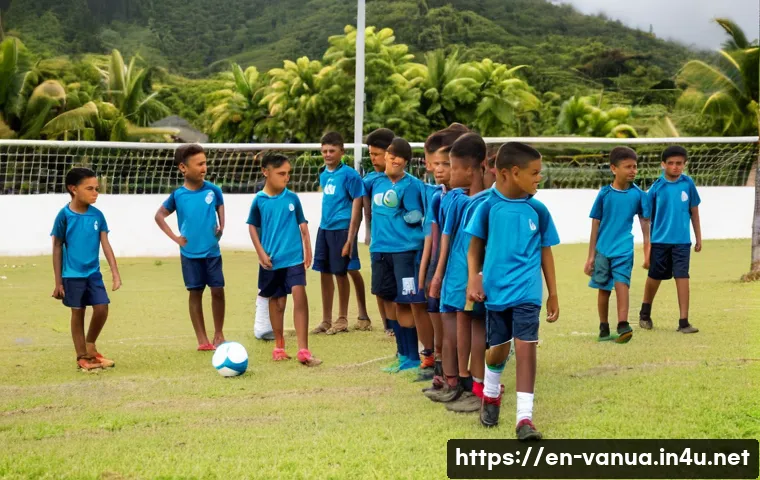
Despite limited resources, local teams showcase incredible talent and community spirit, making every match a celebration. The league serves as a crucial platform for nurturing homegrown players and uniting diverse island communities through sport.
Watching these games, you can really feel the energy and dedication of everyone involved. If you’re curious about how football thrives in such a unique setting, we’ll dive into the details below and give you a clear picture of Vanuatu’s vibrant football scene!
Grassroots Passion Fueling Local Football
Community-Driven Clubs and Their Impact
The heartbeat of football in this island nation comes from clubs deeply rooted in their local communities. These teams often operate on shoestring budgets, relying heavily on volunteers, local sponsorships, and sheer enthusiasm.
What stands out is the sense of family and pride that permeates each club. Players, coaches, and fans alike share a bond that goes beyond just the sport.
I’ve seen firsthand how match days turn into vibrant social gatherings, with families packing the stands, children running around in team colors, and local vendors selling homemade snacks.
This environment creates a unique atmosphere that’s rare to find even in larger leagues, where commercialization often overshadows community spirit.
Training Challenges and Creative Solutions
Without the luxury of world-class training facilities or abundant funding, teams in Vanuatu have to get creative. Practices often take place on uneven pitches, and equipment is sometimes limited to donated gear from abroad.
Yet, this scarcity seems to fuel innovation. Coaches emphasize fundamental skills and physical fitness, focusing on discipline and teamwork rather than expensive drills.
From my conversations with local players, it’s clear they embrace these challenges as part of their journey. It’s inspiring to witness how resourcefulness and dedication compensate for what’s missing in infrastructure, proving that passion can overcome obstacles.
The Role of Youth Development Programs
Youth academies and school-based football programs play a pivotal role in sustaining the league’s talent pipeline. Many young players first get exposed to the sport through these grassroots initiatives, where they receive basic coaching and the chance to compete in local tournaments.
I had the opportunity to visit one such program, and the enthusiasm among kids was infectious. Coaches there are not just teaching football skills but also instilling values like respect, teamwork, and perseverance.
The league benefits enormously from these programs, as they nurture future stars and keep the sport alive across generations.
Competitive Structure and Matchday Atmosphere
League Format and Season Setup
The football season in Vanuatu typically runs across several months, featuring a round-robin format where teams face each other multiple times. This setup keeps the competition intense and allows fans to follow their favorite clubs closely.
Interestingly, the league also incorporates knockout cup tournaments, adding excitement and unpredictability. From my experience attending matches, the calendar feels balanced enough to maintain player fitness while maximizing spectator engagement.
This structure ensures every game counts, fueling rivalries and community pride.
Fan Culture and Local Traditions
The passion of Vanuatu’s football supporters is palpable. Fans bring homemade banners, sing traditional songs, and perform dance routines during halftime.
Unlike the often commercialized fan experiences seen elsewhere, here it feels more intimate and authentic. I noticed how entire villages sometimes come out to support their teams, turning matchdays into cultural celebrations.
This fusion of sport and tradition creates a vibrant atmosphere that’s as much about identity as it is about football.
Stadiums and Facilities
While the stadiums might lack the glitz of international arenas, they are cherished local landmarks. Most are modest in size, with basic seating and natural grass pitches.
Despite this, the grounds are well-maintained, reflecting the community’s respect for the game. I recall a match where the crowd was so loud and spirited that it felt like the stadium was packed with thousands, even though the official capacity was limited.
The intimacy of these venues adds to the charm, making every goal and save feel intensely personal.
Pathways to Professional Opportunities
Scouting and Talent Exposure
One of the league’s most vital roles is acting as a showcase for talented players who aspire to compete professionally abroad. Scouts from neighboring countries and occasionally from Asia or Australia attend matches to identify promising prospects.
Players I spoke to expressed mixed feelings—pride in representing their home but also the pressure of performing under the watchful eyes of recruiters.
The league’s visibility has grown in recent years, thanks in part to social media and occasional televised games, which helps players gain wider recognition.
Success Stories and Role Models
Several players who began their careers in Vanuatu’s local league have gone on to play in professional leagues overseas. Their journeys serve as powerful motivators for younger athletes.
I remember chatting with one such player who described how the support of his community kept him grounded even after signing abroad. These role models not only elevate the profile of the league but also inspire the next generation to dream big while staying connected to their roots.
Challenges in Player Development
Despite these opportunities, there are hurdles to overcome. Limited access to advanced coaching, nutrition, and sports science means players often lag behind their international peers in certain areas.
Additionally, logistical issues like travel costs and visa processes can hinder smooth transitions abroad. From what I gathered, addressing these challenges requires collaboration between local football authorities, government bodies, and international partners to create sustainable support systems.
Economic Impact and Sponsorship Landscape
Local Businesses Supporting Football
Sponsorship in Vanuatu’s football scene is largely driven by small and medium-sized enterprises keen to give back to their communities. These partnerships often involve funding for kits, equipment, and travel expenses.
I’ve noticed that while the amounts might not be huge, the relationships are genuine and mutually beneficial. Business owners take pride in associating with local teams, and in return, clubs help promote their brands during matches and events.
This grassroots sponsorship model strengthens ties between commerce and sport in meaningful ways.
Revenue Streams and Financial Sustainability
The league’s financial model leans heavily on gate receipts, community fundraising, and modest sponsorship deals. Ticket prices are kept affordable to encourage attendance, which sometimes limits income but helps build a loyal fanbase.
Merchandise sales are emerging but remain relatively small due to production costs and market size. From my observations, there is potential to diversify revenue by exploring digital content, partnerships with larger corporations, and hosting regional tournaments that attract wider audiences.
Government and Federation Support
Government agencies and the national football federation play critical roles in providing infrastructure grants and organizing competitions. Although funding levels fluctuate, their involvement ensures the league’s continuity and growth.
During a recent visit to a federation office, I learned about initiatives aimed at improving coaching standards and youth outreach. These programs are vital, but their success depends on consistent investment and strategic planning aligned with the league’s long-term vision.
Women’s Football: Emerging Strength
Growth of Female Participation
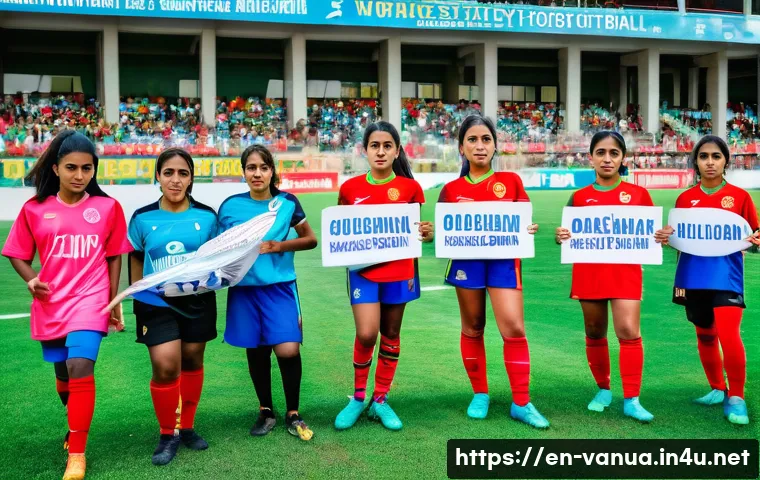
Women’s football in Vanuatu has seen a remarkable rise over the past decade. Increasing numbers of girls and young women are joining teams and school programs, challenging traditional gender norms.
I had the privilege of watching a women’s league match where the skill level and competitive spirit rivaled the men’s games. This growth reflects broader social changes and a commitment to inclusivity within the football community.
Challenges Faced by Female Players
Despite progress, female athletes still encounter obstacles such as limited access to quality facilities, lower media coverage, and fewer sponsorship opportunities.
Many juggle football with education and family responsibilities, making dedication to the sport even more impressive. From talking to several players, it’s clear they are passionate and determined, but sustainable support structures are needed to help them reach their full potential.
Initiatives Promoting Gender Equality
Local organizations and the football federation have launched campaigns to promote women’s football and create safe, welcoming environments. These include training workshops, awareness programs, and mixed-gender events.
The impact is tangible, with increased attendance at women’s matches and more young girls viewing football as a viable path. Personally, witnessing these efforts has been uplifting, as they signify a positive shift toward equity in sports.
Infrastructure Development and Future Prospects
Recent Improvements in Facilities
Over the last few years, modest investments have been made to upgrade pitches, locker rooms, and lighting systems. While these improvements may seem small compared to global standards, they make a huge difference locally.
I visited a newly refurbished stadium where players expressed pride in playing on a better surface and in front of improved seating areas. These upgrades contribute not only to player performance but also to attracting larger crowds.
Plans for Long-Term Growth
The football federation has outlined ambitious plans aiming for sustainable development, including building regional training centers and enhancing coaching education.
Discussions with officials revealed a clear vision to integrate technology and data analytics into player development, which is quite exciting. Although funding and logistical constraints remain, the roadmap appears well thought out and community-oriented.
Potential for Regional Integration
Looking ahead, there’s growing interest in stronger ties with neighboring Pacific football associations. Collaborative tournaments, shared training camps, and knowledge exchanges are on the horizon.
This regional approach could elevate the quality of competition and provide more exposure for Vanuatu’s players. Having seen similar models work elsewhere, I believe this strategy holds great promise for accelerating the league’s evolution.
Overview of Key League Features
| Aspect | Description | Impact |
|---|---|---|
| Community Involvement | Local clubs deeply embedded in their communities with volunteer support | Fosters strong fan loyalty and vibrant matchday atmospheres |
| League Structure | Round-robin season with knockout tournaments | Keeps competition engaging and competitive |
| Youth Programs | Grassroots academies nurturing future talent | Ensures continuous player development and sport sustainability |
| Women’s Football | Growing participation and dedicated leagues | Promotes inclusivity and gender equality |
| Financial Model | Relies on local sponsorship, gate receipts, and community fundraising | Stable but limited revenue, with room for diversification |
| Infrastructure | Basic yet improving facilities with community pride | Enhances player performance and fan experience |
| Professional Pathways | Scouting by regional clubs and success stories abroad | Inspires local players and increases league visibility |
Conclusion
The vibrant football scene in Vanuatu is a testament to the power of community passion and resilience. Despite limited resources, local clubs thrive through dedication and grassroots support, creating an authentic and inspiring sporting culture. With ongoing development and growing opportunities, the future of football here shines bright, promising exciting growth both on and off the field.
Useful Information to Keep in Mind
1. Community involvement is the backbone of Vanuatu’s football, fostering loyalty and lively matchday experiences.
2. The league’s structure balances competitive play with fan engagement through a mix of round-robin and knockout formats.
3. Youth programs are essential for nurturing talent and ensuring the sport’s sustainability across generations.
4. Women’s football is rapidly growing, promoting inclusivity and challenging traditional norms.
5. Financial sustainability relies on local sponsorships and community efforts, with potential for expansion through digital and regional partnerships.
Key Takeaways
Vanuatu’s football thrives on deep community roots and passionate support, overcoming infrastructural and financial challenges through creativity and dedication. The league’s inclusive approach, especially the rise of women’s football, highlights a progressive shift in the sport’s culture. Sustained growth depends on continued investment in youth development, infrastructure, and stronger regional collaborations, all of which are vital for elevating the league’s competitiveness and visibility on a broader stage.
Frequently Asked Questions (FAQ) 📖
Q: How competitive is Vanuatu’s football league compared to other leagues in the Pacific region?
A: While Vanuatu’s league may not have the financial backing or international fame of larger Pacific leagues, it’s fiercely competitive on a local level.
The players bring a lot of heart and skill to the pitch, often making games thrilling to watch. From my experience following matches and chatting with fans, the passion here rivals bigger leagues even if the facilities and budgets are smaller.
It’s a real grassroots football environment where talent shines through determination.
Q: What role does the football league play in Vanuatu’s communities?
A: The league is much more than just sport—it’s a vital community glue. Football matches bring together people from different islands and backgrounds, creating a shared space for celebration and pride.
Many players are local heroes, and their success inspires young kids to get involved in sports. I’ve seen firsthand how match days turn into community festivals, complete with music, food, and lively support, which strengthens social bonds far beyond the game itself.
Q: Are there opportunities for Vanuatu players to move to bigger leagues or go professional internationally?
A: Absolutely, though it’s not always straightforward. The league serves as a stepping stone, showcasing homegrown talent that can catch the eye of scouts from Australia, New Zealand, or even Asia.
I’ve read and heard stories of players who started in Vanuatu and went on to play professionally abroad, which motivates many young athletes. However, the pathway requires dedication and sometimes external support, as exposure can be limited due to the country’s remote location.