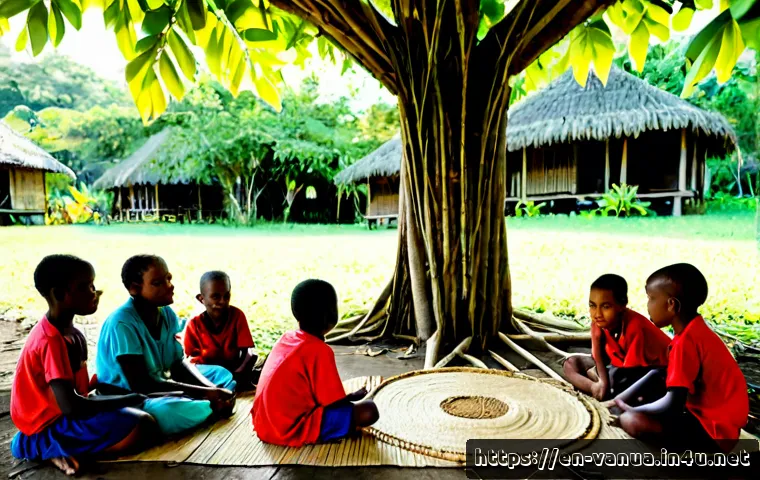
Traditional learning in Vanuatu is place-based, intergenerational, and closely connected to family, community, language, and daily responsibilities. It is often understood through kastom, a broad idea that includes customary knowledge, beliefs, practices, and social rules.
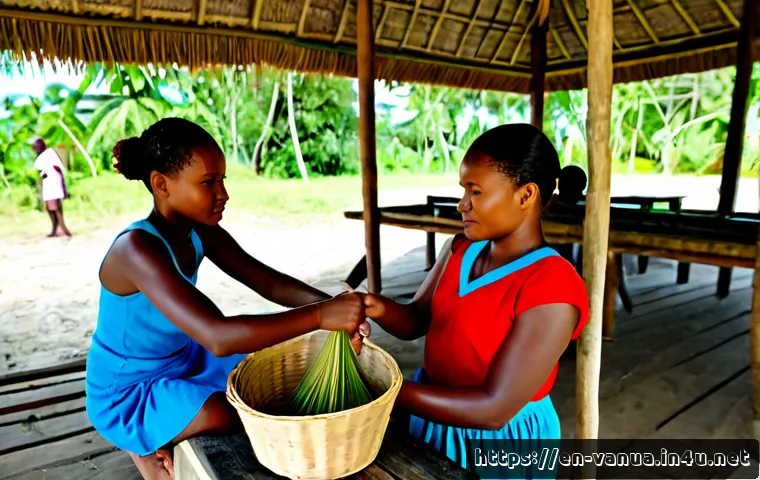
Rather than existing only in a classroom, learning may happen in gardens, coastal areas, homes, villages, and community gatherings. Elders and other knowledgeable people can pass on skills through storytelling, songs, observation, repetition, and participation.
For travelers and educators, the key is not simply finding a cultural activity, but choosing one that is locally guided, clearly permitted, and respectful of community boundaries.
Experiences can differ greatly between islands and villages, so asking careful questions matters more than assuming one program represents all of Vanuatu.
At a Glance
- Traditional learning in Vanuatu is community-based: it can take place through family life, village work, oral teaching, and participation.
- Kastom is broader than “old customs”: it includes knowledge, beliefs, practices, and social rules that may guide community life.
- Access varies by community: some knowledge may be restricted by permission, age, gender, family status, or initiation.
| Learning setting | How learning may happen | What to consider |
|---|---|---|
| Community and kastom learning | Stories, songs, observation, repetition, practical work, and guidance from elders | Knowledge may be local, contextual, and not open to everyone |
| Formal classroom learning | Structured lessons, reading, writing, and school-based subjects | It can add different tools without replacing community knowledge |
| Visitor cultural programs | Locally guided demonstrations, conversations, village visits, or practical activities | Check leadership, consent, group size, inclusions, and transparent pricing in Vanuatu vatu |
What Traditional Learning Looks Like in Vanuatu
A Quick Answer: Learning Through Family, Community, Language, and Participation
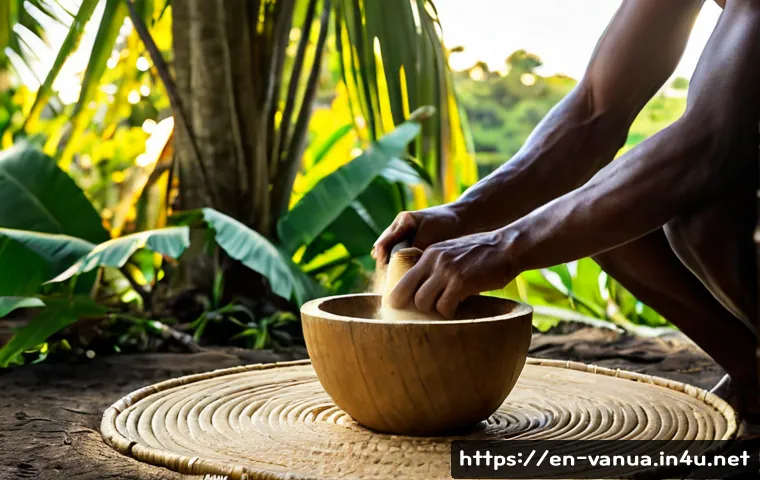
Traditional learning in Vanuatu has often happened through doing, watching, listening, and joining in. A child or younger person may learn while helping with food preparation, gardening, fishing, weaving, building, or community responsibilities. Oral teaching can also include stories, music, dance, and repeated practice. The learning is often tied to a particular place and to relationships within the community.
Why Kastom Is More Than a Collection of Old Customs
Kastom is commonly used to describe customary practices, beliefs, knowledge, and social rules. It should not be treated as a fixed display from the past. Kastom can connect language, responsibilities, practical skills, collective memory, and respectful behavior. It is not a lesser version of formal education; it is a different knowledge system with its own setting, permissions, and methods of transmission.
Why Practices Vary From One Island and Village to Another
Vanuatu has exceptional linguistic diversity, with more than 100 Indigenous languages spoken across its islands. This helps explain why knowledge and teaching practices can differ substantially between communities. A visitor, student, or educator should avoid saying “Vanuatu culture” as if it were one uniform tradition. Ask which island, village, language group, or community perspective is being represented.
Community Learning, School Learning, and Visitor Programs Compared
Oral Knowledge, Observation, and Hands-On Practice
Oral and practical learning can be highly detailed. A story may carry local history, while a gardening task may involve environmental knowledge and social responsibility. Observation is not passive: learners may watch closely, repeat steps, and gradually take part under the guidance of experienced people. This kind of learning is often inseparable from the local environment.
What Formal Education Adds—and What It May Not Replace
Formal schooling provides a classroom structure and may use written materials and standardized subjects. Community learning, meanwhile, can preserve knowledge that is specific to local places, languages, and relationships. Neither approach needs to be framed as superior. A useful question is: what kind of knowledge is being taught, by whom, and for what community purpose?
How to Compare Guided Cultural Programs by Value, Not Price Alone
A cultural tour or educational program should be compared by more than its listed cost. Look for local leadership, a clear explanation of what visitors may do, and signs that permission has been considered. Smaller group arrangements, transport details, guide fees, meals, accommodation, and community benefit may all affect value. If prices are shown in Vanuatu vatu, confirm what is included before booking rather than assuming a low headline price covers the full experience.
Skills and Knowledge Commonly Passed Between Generations
Gardening, Fishing, Food, and Environmental Knowledge
Practical knowledge may include gardening, fishing, food preparation, navigation knowledge, and care for local environments. These are not merely activities for visitors to watch. In community settings, they can involve local conditions, learned judgment, and responsibilities that have meaning beyond a single demonstration.
Storytelling, Language, Music, Dance, and Collective Memory
Stories, songs, dance, and language can help carry memory and identity between generations. Because Vanuatu includes many Indigenous languages, language itself can be an important part of how knowledge is held and shared. Visitors should remember that a public performance may be appropriate to attend, while other material may not be appropriate to record, repeat, or post online.
Building, Weaving, Caregiving, and Community Responsibilities
House-building methods, weaving, caregiving, and shared responsibilities may also be learned through participation. The right to teach or learn particular knowledge may depend on family ties, gender, age, initiation, or community permission. Respect means accepting that not every skill, story, or ceremony is available for outside participation.
Respect, Consent, and Common Mistakes to Avoid
Ask Before Photographing, Recording, or Sharing Online
Permission should be specific. Being welcomed into a village or attending a program does not automatically mean photography, video recording, audio recording, or online sharing is allowed. Ask your guide and the relevant community members before using a camera or phone.
Do Not Assume Public Access to Ceremonial or Gender-Specific Knowledge
Some knowledge may be restricted. It may relate to gender, age, family status, initiation, or local rules. Do not pressure guides or hosts to reveal information that is not being offered. A respectful cultural learning experience includes clear boundaries, not unlimited access.
Avoid Treating Kastom as a Single, Unchanging Tradition

Another common mistake is expecting every island to present the same customs in the same way. Kastom is shaped by local communities and contexts. Public visitor activities may be demonstrations, everyday learning, or a combination of both; this should be clarified rather than assumed.
Tips for Students, Educators, and Cultural Travelers
Questions Students Can Use for Responsible Research
Students can ask: Who is sharing this knowledge? Which community or island does it relate to? Is the source describing a public practice or something more restricted? What does the community say about how the material should be used? These questions support research that is more accurate and less likely to flatten local differences.
How Educators Can Avoid Oversimplifying Indigenous Knowledge
Educators can present kastom learning as a living, community-based system rather than a historical curiosity. Use careful language, identify local variation, and avoid treating visitor-facing activities as a complete picture of community life. When possible, center explanations that recognize local authority and consent.
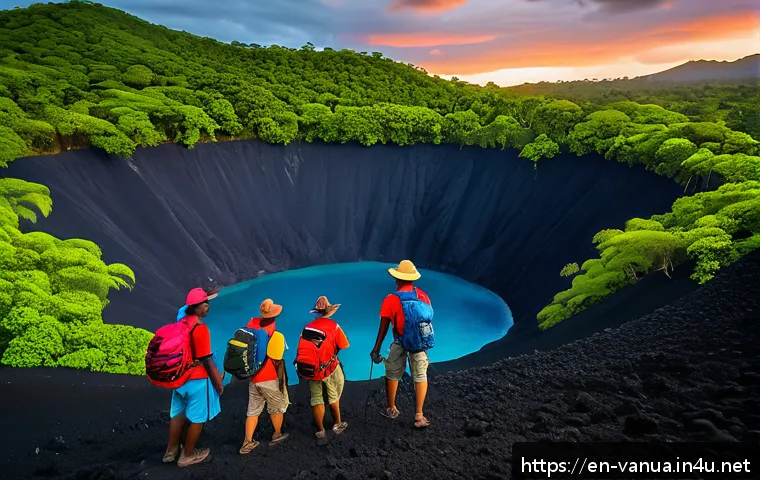
What Travelers Should Confirm Before Booking a Local Guide or Village Visit
Before choosing a local guide, ask whether the visit is community-led, what activities are permitted, whether photography is allowed, and what is included in the itinerary. Confirm transport arrangements, guide fees, meals, accommodation if relevant, and the total amount in Vanuatu vatu. Clear answers help travelers choose an experience with fewer misunderstandings.
Choosing a Respectful Cultural Learning Experience
Community Leadership, Clear Permission, and Fair Local Benefit
A strong starting point is to look for programs where community members have a visible role in guiding, explaining, or approving the experience. Ask how visitors are introduced to local expectations and whether there are clear rules about participation and recording. Community benefit is worth considering, but the details should be confirmed directly rather than assumed from promotional language.
Costs to Compare: Transport, Guide Fees, Meals, Accommodation, and Group Size
When comparing cultural tours or educational visits, review the full package rather than only the base price. Transport between locations, guide fees, meals, accommodation, and group size can change both the practical experience and the final cost. Request a clear breakdown in Vanuatu vatu and ask what is not included.
A Final Checklist for Selecting an Appropriate Program
Choose a program that explains who leads it, what permissions apply, what visitors can observe or join, and how costs are presented. Be cautious if a listing promises unrestricted access to ceremonies or presents all of Vanuatu as one culture. For official guidance, current availability, and detailed booking conditions, check the relevant program or local guide page before making arrangements.
Selection Criteria and Comparison Summary
Before booking, check local guide qualifications or community role, permission for activities and photography, what the price includes, transport and group size, and clear Vanuatu vatu pricing. Prefer clear explanations over vague claims of “authentic” access. A respectful program should make boundaries understandable rather than treating cultural knowledge as entertainment.
In Closing
Traditional learning in Vanuatu is closely linked to people, place, language, and participation. Kastom knowledge can include practical skills, oral history, social responsibilities, and ways of caring for local environments. The most respectful approach is to learn with humility, recognize community differences, and accept that some knowledge is not for public access. Whether researching or traveling, careful questions are part of responsible learning.
Useful Things to Know
1. More than 100 Indigenous languages are spoken across Vanuatu.
2. Learning may happen in homes, villages, gardens, coastal areas, and community gatherings.
3. Elders and other knowledgeable community members may guide oral and practical learning.
4. Public cultural activities do not automatically permit recording or participation.
5. Prices, availability, and access rules should always be confirmed directly with the relevant provider or community contact.
Important Notes
Teaching methods, ceremonies, access rules, and visitor permissions are not the same across all islands or villages. This article does not determine whether a particular activity is open to visitors, suitable for photography, or representative of everyday community learning. Confirm those details with the local guide, program organizer, or community representatives before visiting or sharing information publicly.
Frequently Asked Questions
Q1. What is kastom in Vanuatu?
A1. Kastom broadly refers to customary practices, beliefs, knowledge, and social rules. Its meaning and expression can vary between communities, islands, and language groups.
Q2. Can visitors learn about traditional Vanuatu culture respectfully?
A2. Yes, visitors may be able to join locally guided cultural programs or village visits where permission is clear. Respectful participation means following local guidance, asking before recording, and accepting that some knowledge is restricted.
Q3. How should I compare cultural tours or local guides in Vanuatu?
A3. Compare who leads the experience, whether community permission is clear, what is included, group size, transport arrangements, and the full cost in Vanuatu vatu. Do not judge value by price alone or assume a public activity gives access to all aspects of kastom.